Nuclear technology is not only about energy.
According to the FAO and the IAEA, it is also helping agriculture become more productive, resilient and sustainable. Using isotopes and controlled radiation techniques helps scientists better understand natural biological processes and improve farming practices.
Some applications include:
- Improving soil and water management
- Developing crops more resistant to drought and climate stress
- Reducing pests without increasing pesticide use
- Improving animal health and food safety
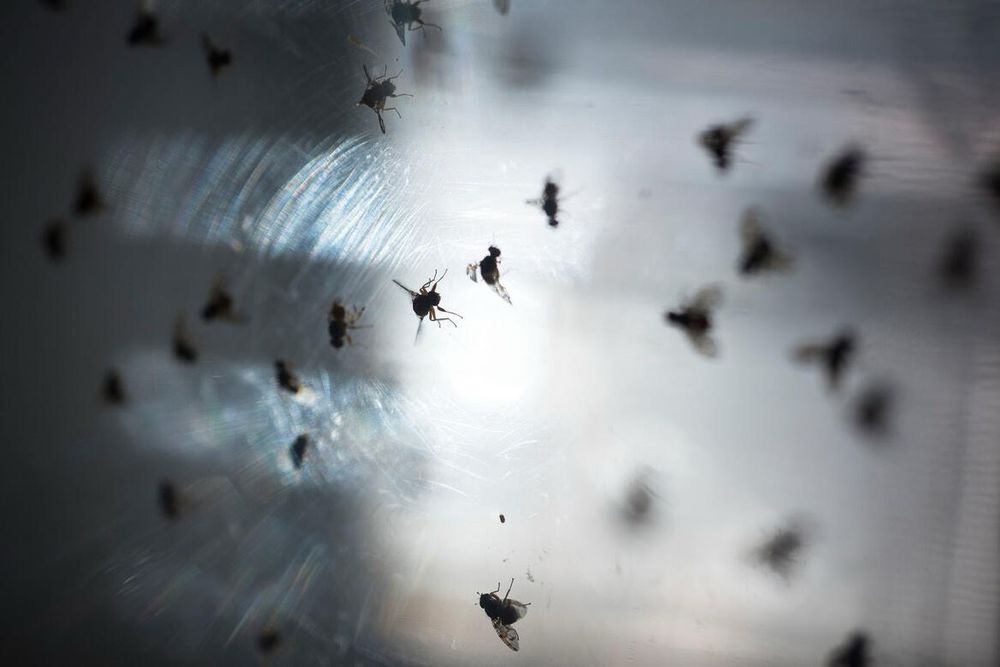
One example is the “sterile insect technique”, where insects sterilized with controlled radiation are released to reduce pest populations naturally, lowering the need for chemical pesticides.
Nuclear science is also being used to better understand how plants absorb water and nutrients, helping optimize irrigation and fertilizer use. To this end, isotopes act like tracers that help scientists track how water and nutrients move through soil, plants and animals.
As climate change and food insecurity increase, agriculture will need innovation from many fields, including nuclear science.
Food security is not only about producing more. It is also about producing smarter and more sustainably.
Source: FAO – Five ways nuclear technology is improving agriculture and food security