
Fertilizer Shocks Hit Farmers First, Then the Food System
Farming depends on planning, but fertilizer prices are becoming harder to plan around.
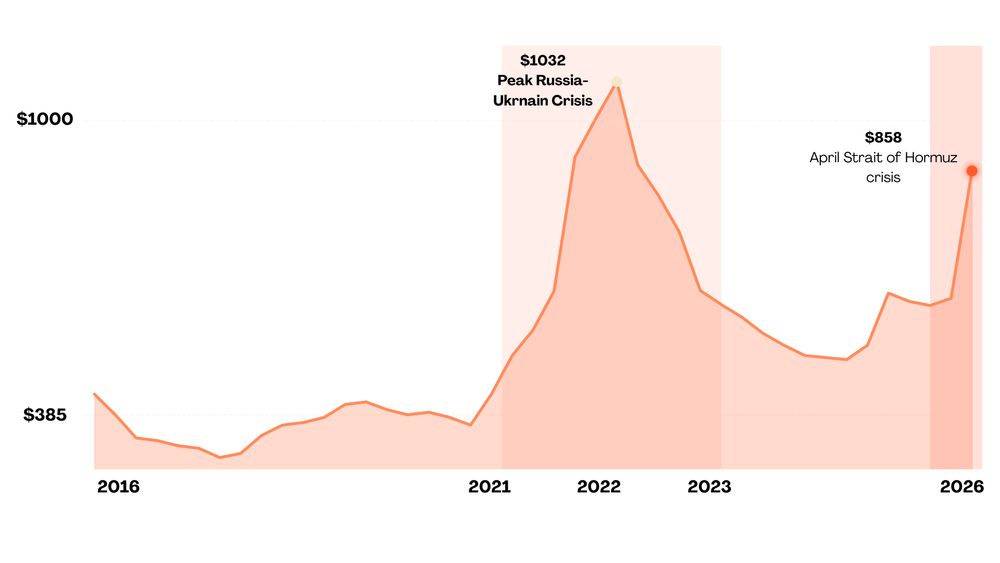
A grower can build a season around one set of costs, then face a very different reality when global markets shift. Energy prices, conflict, export restrictions, shipping disruption, and geopolitical tensions can all push fertilizer prices higher in a short period of time. When that happens, farmers do not have much room to wait. They still need to plant, feed the crop, and protect yield.
That is why fertilizer volatility hits farms so hard. Fertilizer is not a minor expense that can easily be ignored. For many growers, it is one of the largest operating costs of the season. A sudden increase can tighten cash flow, reduce margins, delay purchasing decisions, or force farmers to rethink how much they can apply.
The impact starts on the farm long before it reaches the consumer. Farmers absorb the higher cost first, often months before harvest and long before food prices reflect the pressure. By the time the wider food system feels it, the farm has already carried the risk.
This is the real issue behind rising fertilizer prices. It is not just that fertilizer has become more expensive. It is that farmers are exposed to repeated shocks from systems they do not control.
When fertilizer markets move suddenly, the first place the damage appears is not on the grocery shelf. It appears in the farmer’s operating budget.
Investment