This will be a long technical read but worth everyone's time.
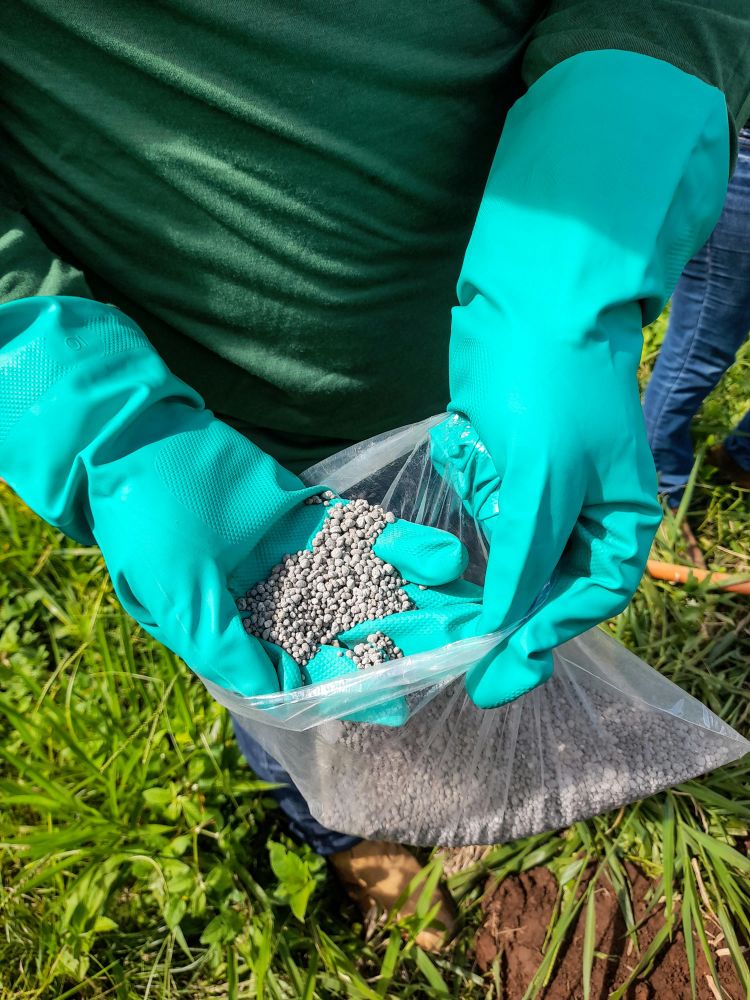
Last night, I was reading about how the near-total shutdown of the Strait of Hormuz (it hasn't gotten back to normalcy) has sent shockwaves through global fertilizer markets. About a third of global seaborne fertilizer trade typically passes through the Strait. Urea prices have already jumped nearly 30% since the war began, and global fertilizer prices are projected to average 15–20% higher through the first half of 2026. Unlike oil, there are no internationally coordinated strategic fertilizer reserves to cushion the blow. The UN has warned this disruption could push 45 million more people into hunger. Yes, 45 million! For India specifically, urea import prices have nearly doubled ahead of the sowing season. While researching fertilizer prices, I came across this study published by India-based ICRISAT (International Crops Research Institute for the Semi-Arid Tropics) on sorghum. The researchers tested nearly 200 diverse sorghum varieties under three nitrogen conditions - zero fertilizer, half the recommended dose, and the full amount, across two growing seasons. Grain yields under half the recommended dose of nitrogen were comparable to those under full application! Same harvest, half the input, but the real breakthrough was going beyond the field into the genetics to identify genomic regions associated with nitrogen use efficiency and key candidate genes that regulate how sorghum absorbs, transports, and utilizes nitrogen. I know this was a complex sentence. Think of it as finding the efficiency dial hardwired into the plant and figuring out exactly how it works. And here's the baseline problem this solves - crops typically use only 30–40% of the nitrogen fertilizer applied, the rest is lost to the environment, degrading soil and water! The findings don't stop at sorghum as the researchers believe the insights can be applied to major cereals like rice, wheat, and maize.