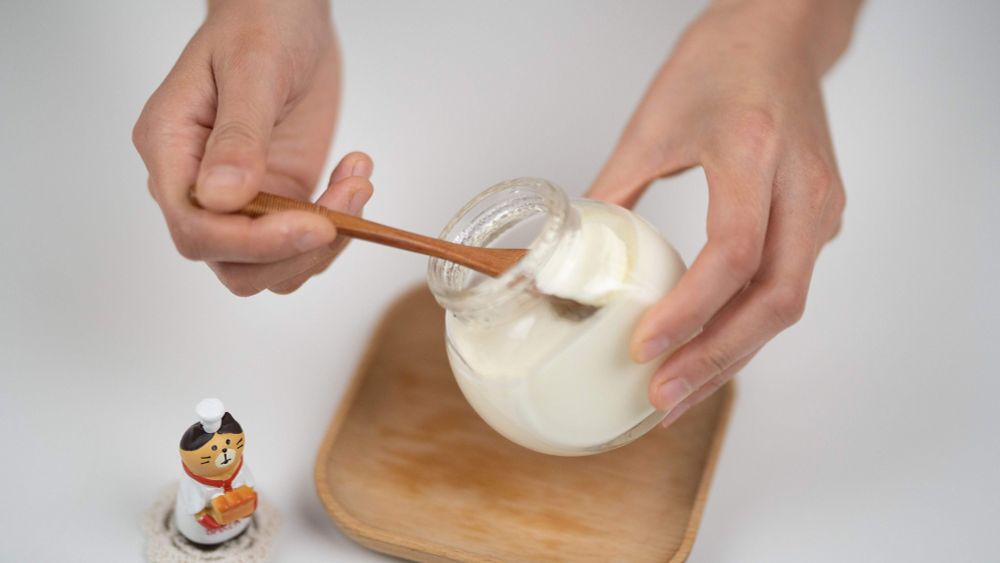
Ethiopia recently unveiled a locally developed probiotic starter culture called Etittuu, designed to ferment milk more efficiently and reduce reliance on imported dairy processing inputs. Researchers say the culture can ferment pasteurised milk in as little as four hours, improving processing efficiency while helping the country 'save foreign exchange previously spent on imported starter cultures'. Dairy is an important part of Ethiopian diets and livelihoods. The country has Africa's largest cattle population, millions of smallholder farmers depend on dairy production, and rising urban demand is increasing the need for reliable and affordable dairy products. Etittuu, if it can be adopted at scale, it could improve product consistency, strengthen local dairy processing, reduce import dependence, support rural incomes, and contribute to greater food self-reliance.
Many countries have developed food innovations to reduce dependance on imports -
• Singapore: Urban farming and alternative protein technologies under the 30 by 30 strategy to reduce food import dependence.
• Saudi Arabia: Controlled-environment agriculture and greenhouse technologies to boost domestic food production.
• Nigeria: Investments in local dairy processing and milk production to reduce reliance on imported milk powder.
• Rwanda: Expansion of domestic food processing and value-addition industries to strengthen food security.
• United Arab Emirates: Vertical farming and desert agriculture technologies aimed at producing more food locally.
• Brazil: Tropical agriculture innovations developed through Embrapa that helped reduce dependence on imported agricultural technologies and improved domestic productivity.
Do you know of similar examples of food innovation in your country or other countries where a locally developed food innovation helped (or will help) a country reduce dependence on imported agricultural inputs or food products?