Sleep or Suffer: Protecting Our Greatest Asset.
In the fast paced world of health and MedTech, we are experts at optimizing systems but often neglect our own.
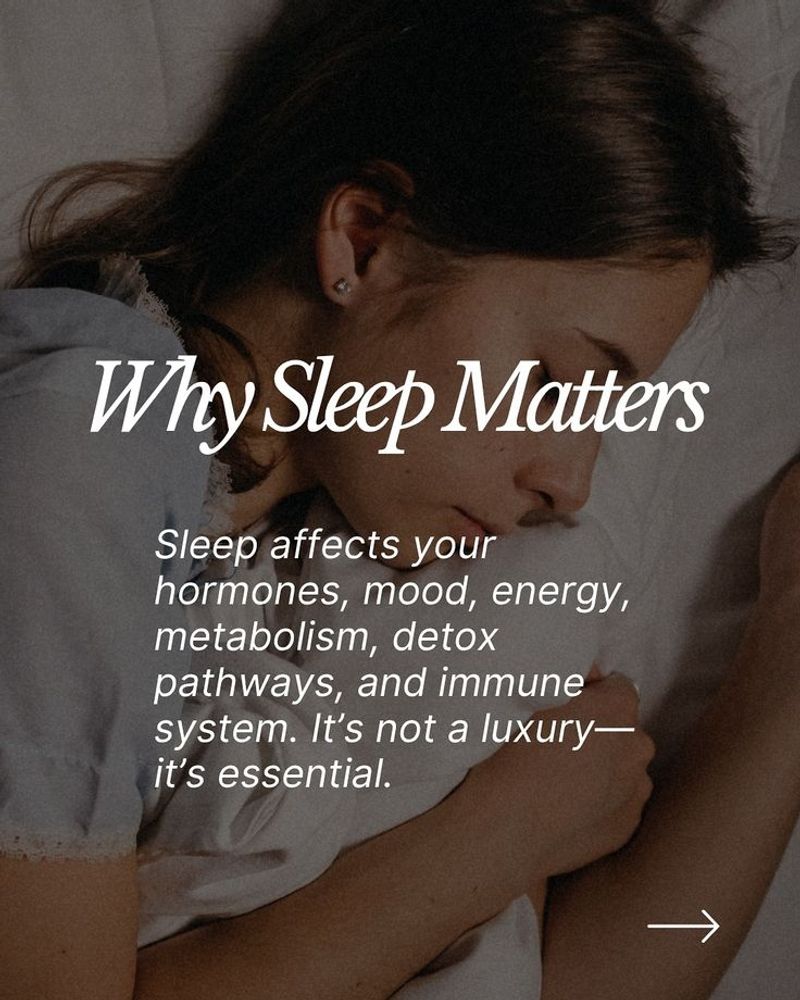
Biology does not negotiate. Sleep is a vital neurological reset where the glymphatic system flushes metabolic waste and repairs our cognitive hardware.
When we choose to suffer, we are not just tired. We are operating with a compromised brain. Deprivation blurs decision making and spikes stress, making it harder to lead or innovate.
Prioritizing rest is not an escape from the grind. It is the fuel for high level performance. Your edge depends on your recovery.
P.S. We have all pulled that late nighter thinking it was worth it. Looking back, was the work actually your best?
Lifestyle medicine is becoming a core prevention framework in healthcare.
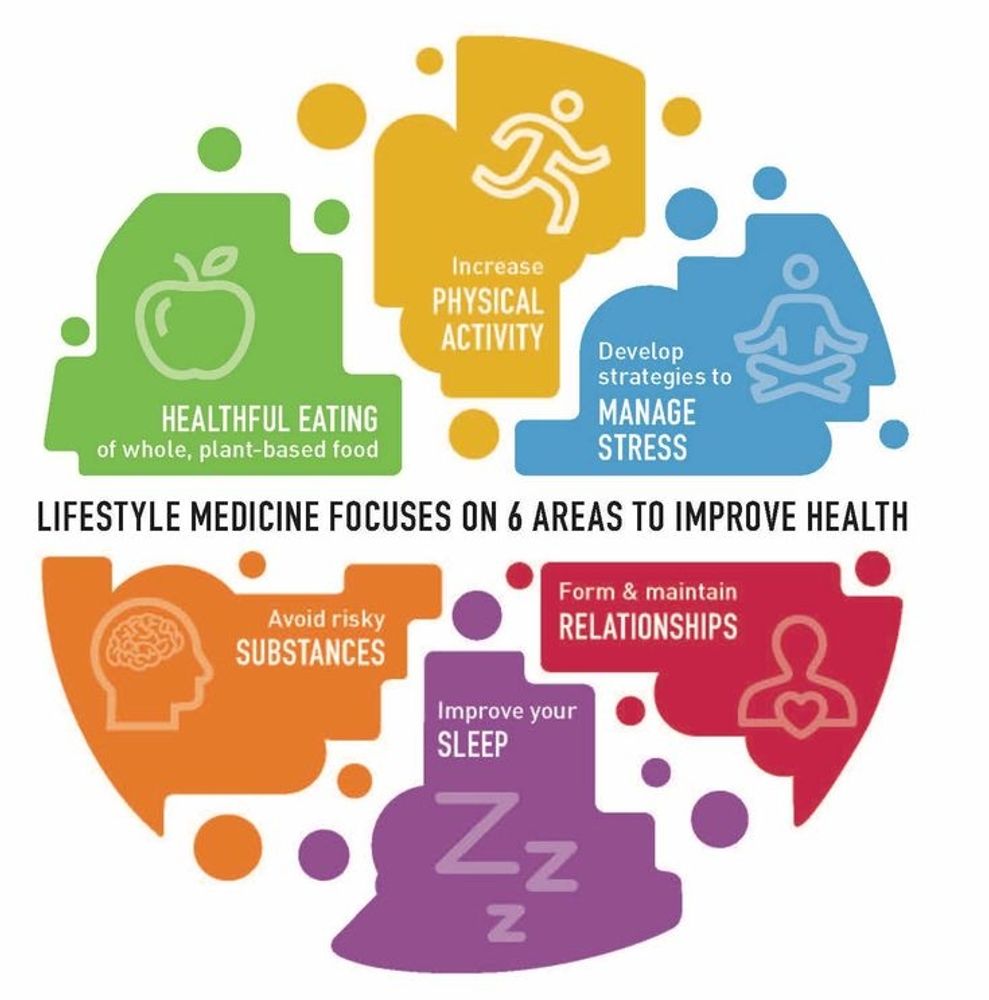
It focuses on how daily patterns shape long term health outcomes. Sleep. Nutrition. Physical activity. Stress management. Social connection. Avoidance of risky substances.
Most chronic diseases do not begin in hospitals.
They build quietly through repeated daily behaviors over time.
Less sleep.
High stress.
Low movement.
Quick food choices repeated often.
Limited connection.
Unhealthy coping habits.
The challenge is not knowledge. People already know what supports health.
The challenge is consistency.
This is where lifestyle medicine becomes less about advice and more about systems design.
How do we support behavior that lasts beyond motivation?
How do we make healthy choices easier than unhealthy ones?
How do we reduce the gap between awareness and action at scale?
At a population level, this is no longer just a personal health issue. It becomes a design and systems problem that shapes outcomes across communities.
Prevention is not a message. It is a system that must be built into how we live, work, and make decisions daily.
P.S: What is one daily habit you think has the biggest impact on long term health sleep nutrition movement stress management social connection or avoidance of risky substances.
Your body keeps score even when your mind says you are fine.
Stress is rarely loud at first. It settles quietly into the body without a sound.
It shows up as fatigue that sleep cannot fix, headaches that return too often, and nights that feel restless no matter how tired you are.
This Stress Awareness Month is a reminder that stress is not just an emotional feeling. It is a biological one. We know that constant pressure is a major reason people develop the long term illnesses we fear the most.
Over time, that weight fuels inflammation in the body. It is the silent driver behind so many of the health problems that catch us by surprise.
In the world today, we have technology that can track our sleep patterns and our heart rates. We can see the early signals on a screen. But even with these tools, our own awareness remains our first line of prevention.
Ignoring stress does not make it disappear. It simply teaches the body to carry what the mind refuses to acknowledge.
#StressAwareness #HealthTech #Wellbeing #inspiredWhat if the most important part of healthcare doesn't happen inside a hospital?
Think about how health is shaped long before anyone steps into a clinical setting.
It is shaped by ideas, by innovation, and by people who are willing to rethink how care reaches those who need it most. 🌍
Healthcare is changing, and innovation is becoming just as important as treatment itself.
The future of health depends on people who are willing to question old systems and build better ones that truly serve communities.
As someone deeply passionate about prevention and wellbeing, I see innovation as a powerful way to reach people earlier, before illness begins and before small problems become bigger ones.
Being part of spaces where ideas are shared reminds me that meaningful change in health often starts with one conversation, one solution, or one brave idea placed in the right environment.
Today, I am reflecting on the role innovation plays in shaping healthier communities and a more sustainable future for all.
Happy World Health Day 🌿
#WorldHealthDay #HealthInnovation #GlobalHealth #InspiredThere is a glaring gap in the conversation around preventive healthcare tools.
While the spotlight is currently on early detection and AI innovation, far fewer people are discussing the reality of health data and privacy responsibility.
The gap in this could be dangerous. These tools are doing more than just tracking steps or heart rates. They are recording a permanent digital diary of a human life that can never be erased.
Healthcare remains a top target for cyber attacks because medical records are priceless and permanent. Unlike a credit card, a health history cannot be reset once it is tampered with or leaked. If a hacker’s medical identity merges with a patient’s record, the result is misdiagnosis, wrong prescriptions, and clinical errors.
Completing my cybersecurity course with a focus on healthcare has made one thing obvious to me: protecting the data is the only way to protect the patient.
In prevention, a data breach is not just a technical leak. It is a threat to the patient’s pulse. Trust is the only foundation for any lasting health journey.
Prevention is quietly becoming the new center of healthcare.
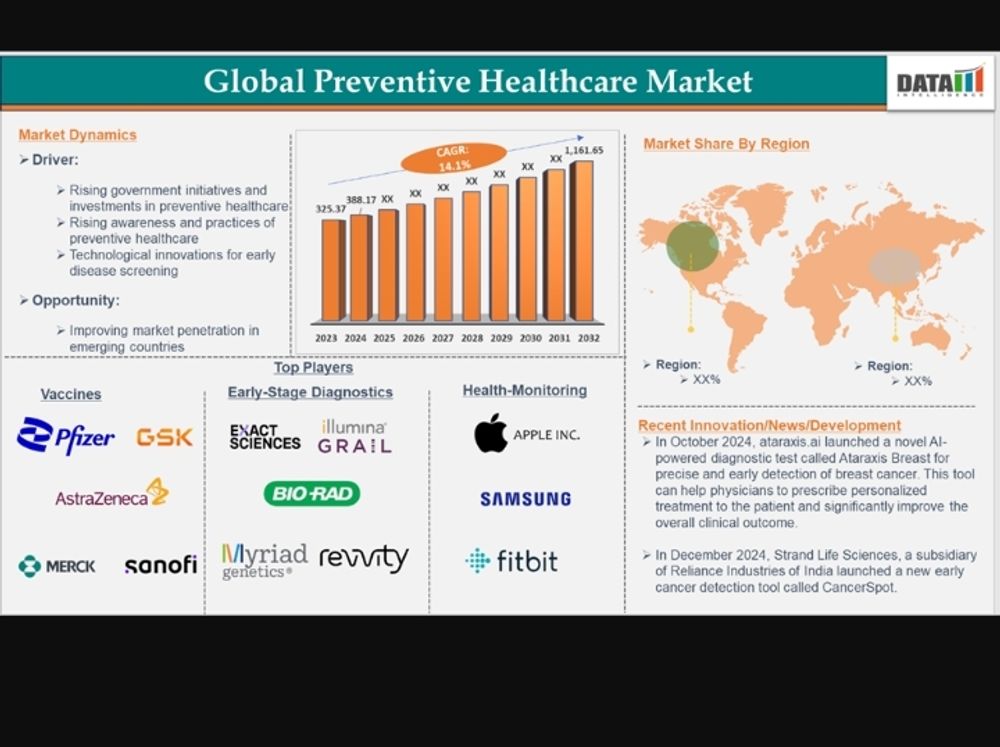
Global investment in preventive care continues to rise, with projections showing the market could exceed one trillion dollars within the next decade.
The doctor of the future may not only treat illness, but help prevent disease before it begins.
The End of Reactive Medicine
We are officially moving beyond "waiting until it hurts."
The shift from finding symptoms to spotting risks years in advance is no longer just a dream.
Recent breakthroughs show we can now see the risk of over 1,000 diseases before a person feels a single symptom.
For those of us building in Medtech, this is the frontier.
The real promise isn't just getting results faster. It is the shift to getting help sooner.
This is where healthcare stops being a surprise and starts being a choice.
This is why we build