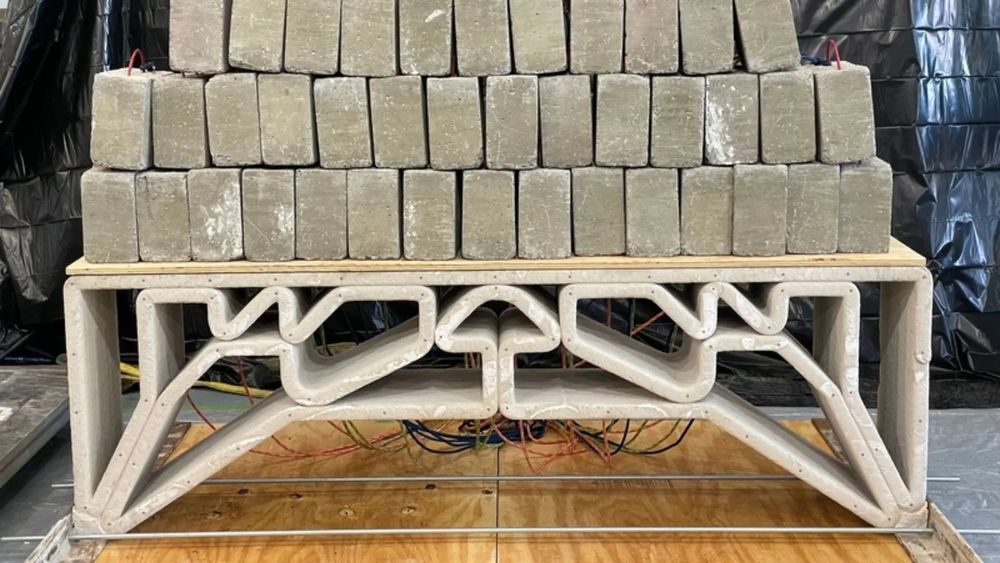
🌉 MIT 3D-printed concrete bridge carries over 2,000 pounds in tests.
Researchers have developed a 3D-printed concrete bridge that successfully supported more than 2,000 pounds during testing. The structure uses advanced additive manufacturing techniques to create optimized designs with less material waste, demonstrating the potential of 3D printing to build stronger and more sustainable infrastructure.
👉 Read the full story:
interestingengineering.com/innovation/n...
Could 3D-printed infrastructure transform how we design and build future cities?
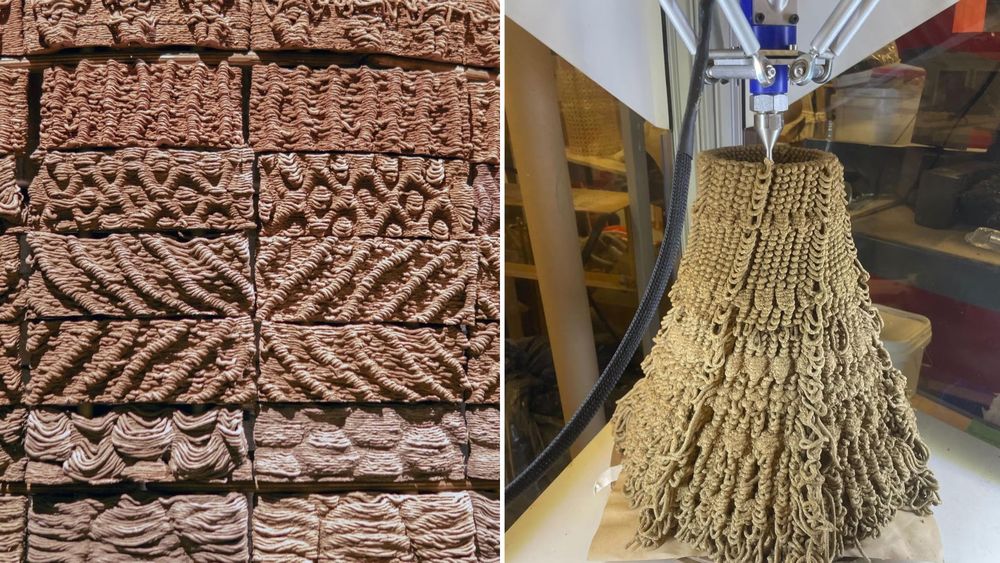
🌿 Seaweed extract makes earthen building materials 25% stronger.
Researchers have discovered that adding seaweed extract to earthen building materials can increase their strength by up to 25% while also improving their suitability for 3D printing. The innovation could make sustainable, low-carbon construction materials more durable and easier to use in modern building applications.
👉 Read the full story:
interestingengineering.com/innovation/s...
Could natural additives like seaweed help scale sustainable construction worldwide?
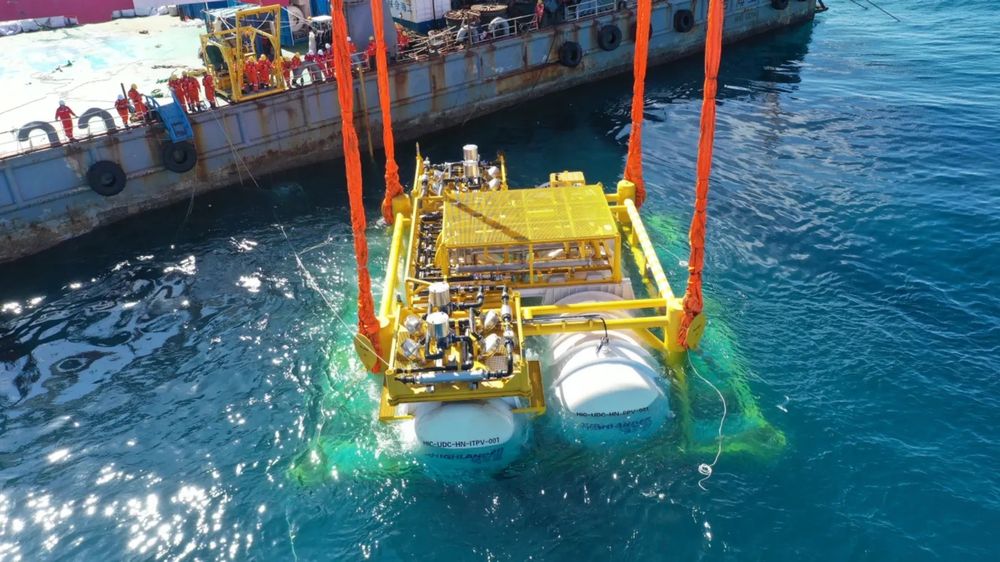
🌊 China opens world’s first wind-powered underwater data center.
China has launched the world’s first underwater data center powered by offshore wind energy. By placing servers beneath the sea, the system uses natural cooling from seawater to reduce energy consumption while relying on renewable wind power for electricity. This setup aims to improve efficiency and cut the massive carbon footprint of traditional data centers.
👉 Read the full story:
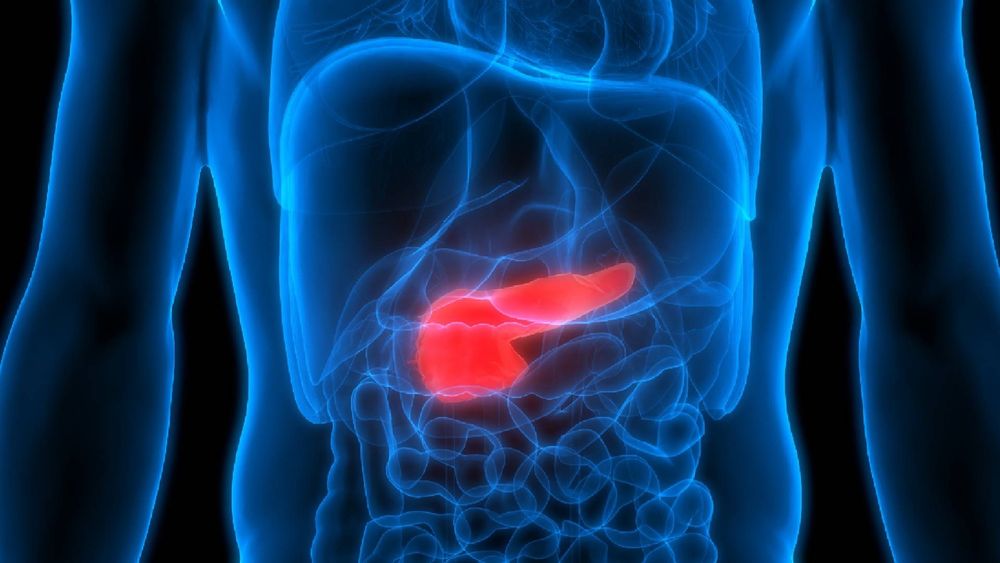
www.wired.com/story/china-...🧬 New pancreatic cancer drug improves survival in phase 3 trial.
A phase 3 clinical trial has shown that the drug daraxonrasib can improve survival outcomes for pancreatic cancer patients. The treatment targets KRAS-mutated cancers, one of the most difficult forms to treat, marking a promising advance in precision oncology and cancer therapeutics.
👉 Read the full story:
interestingengineering.com/health/darax...
Could targeted therapies like this change the future of pancreatic cancer treatment?
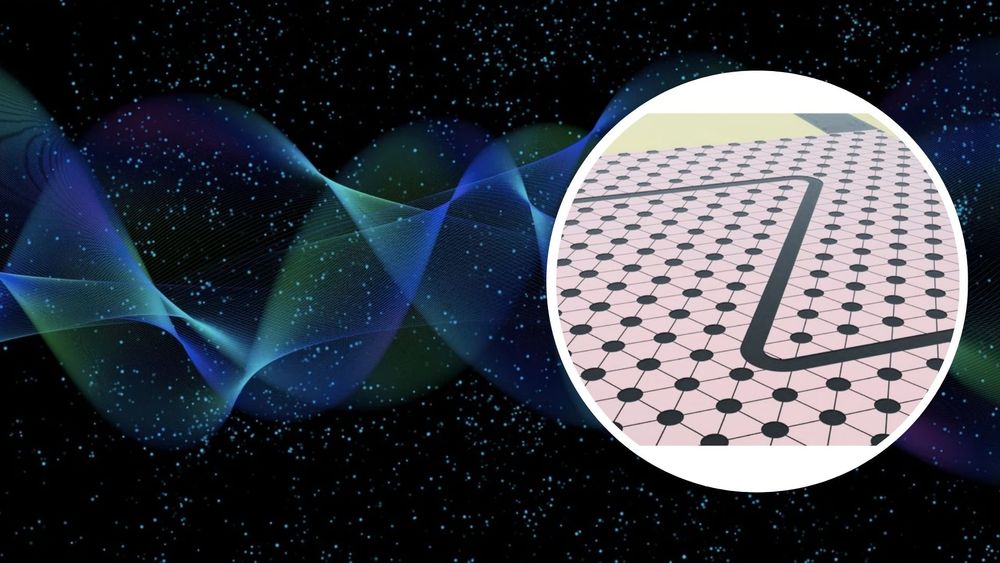
🌊 Spin waves travel 5,000 times more efficiently than expected.
Researchers have discovered a way for spin waves to travel up to 5,000 times more efficiently than previously thought. This breakthrough could pave the way for a new generation of low-power computing technologies, reducing energy consumption while enabling faster and more efficient data processing.
👉 Read the full story:
interestingengineering.com/innovation/s...
Could spin-wave technology become the foundation of ultra-efficient future computing?
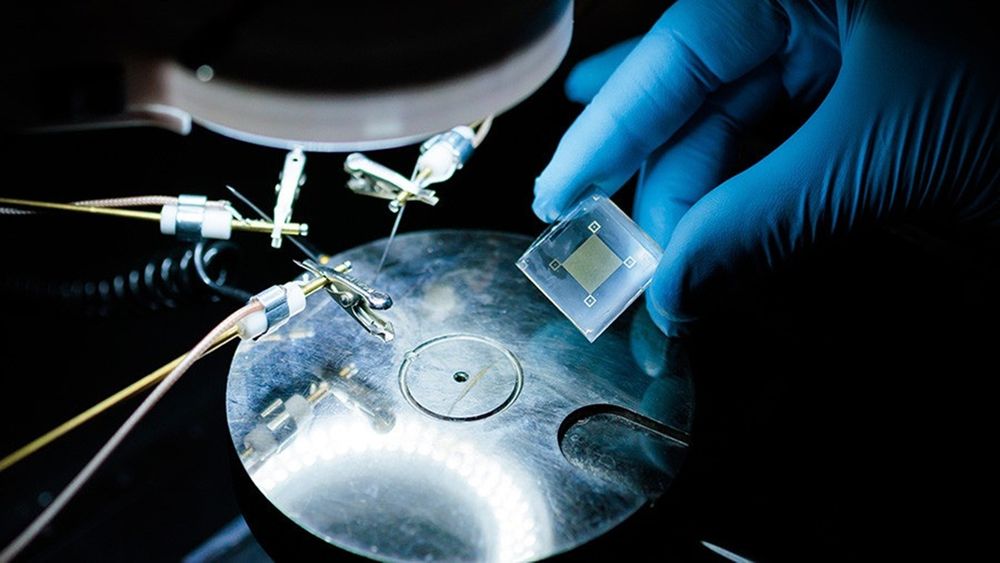
🩺 Stretchable computing patch could transform heart monitoring
Researchers have developed a soft, stretchable computing patch that can monitor heart activity directly on the skin. Designed to move naturally with the body, the wearable device enables more continuous and comfortable health tracking while improving the accuracy of real-time cardiac monitoring.
👉 Read the full story:
interestingengineering.com/ai-robotics/...
Could stretchable health tech redefine the future of wearable medical monitoring?
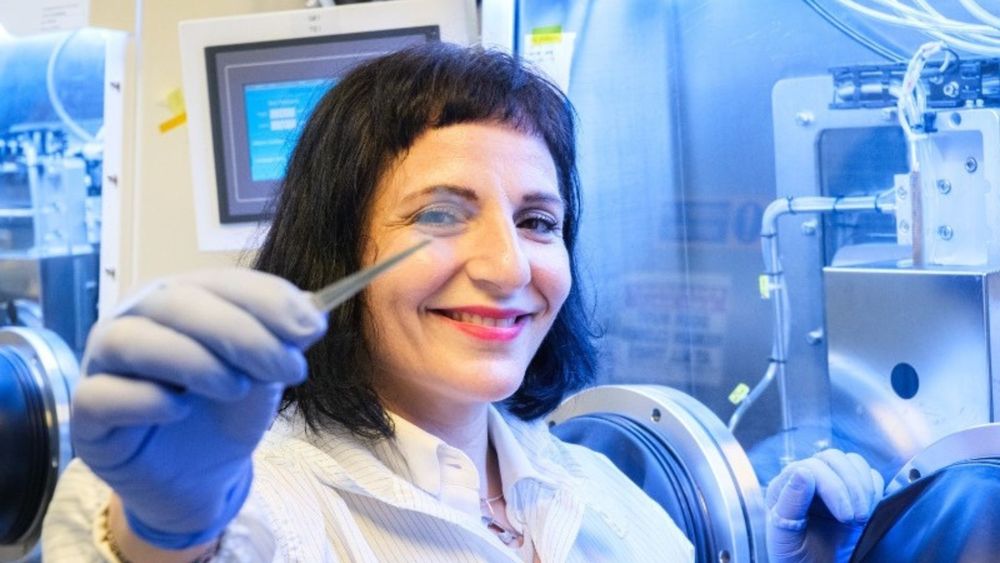
☀️ Ultra-thin transparent solar cells could power future buildings.
Researchers at NTU have developed ultra-thin transparent solar cells that can generate electricity while allowing light to pass through. The technology could be integrated into windows and surfaces, turning buildings into energy-generating structures without changing their appearance.
👉 Read the full story:
interestingengineering.com/energy/ultra...
Could transparent solar technology turn cities into invisible power plants?
🧬 Princeton develops 3D bioelectronic hybrid system.
Researchers at Princeton have created a 3D bioelectronic hybrid that integrates living tissue with electronic components. This system enables closer interaction between biology and electronics, opening new possibilities for advanced medical devices, tissue engineering, and bio-integrated technologies.
👉 Read the full story:
interestingengineering.com/science/us-p...
Could bioelectronic hybrids redefine the future of medicine and human–machine integration?