Living Above Parking — A New Urban Layer
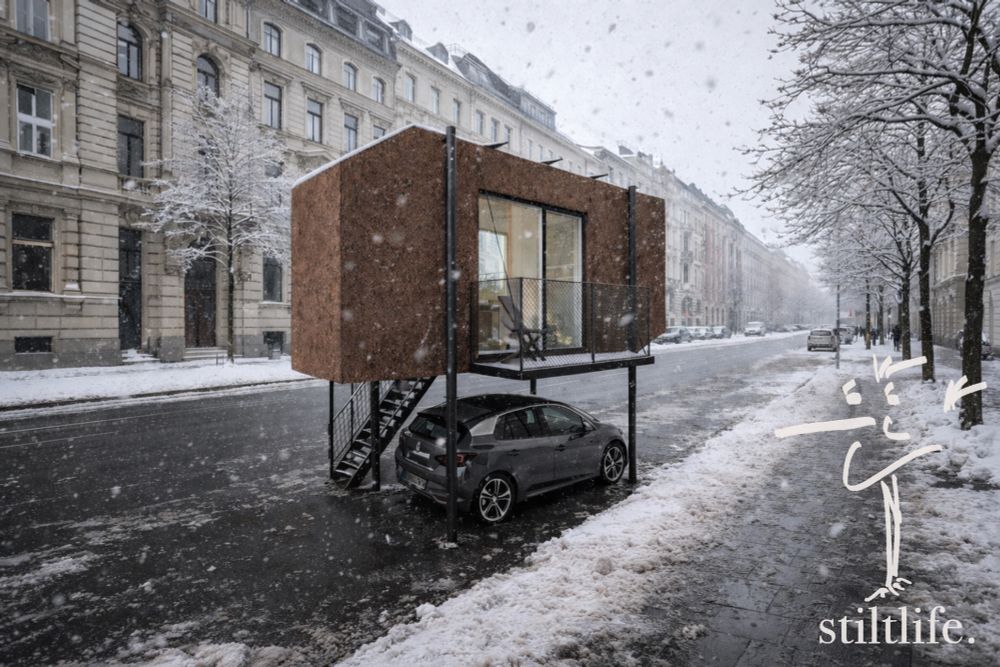
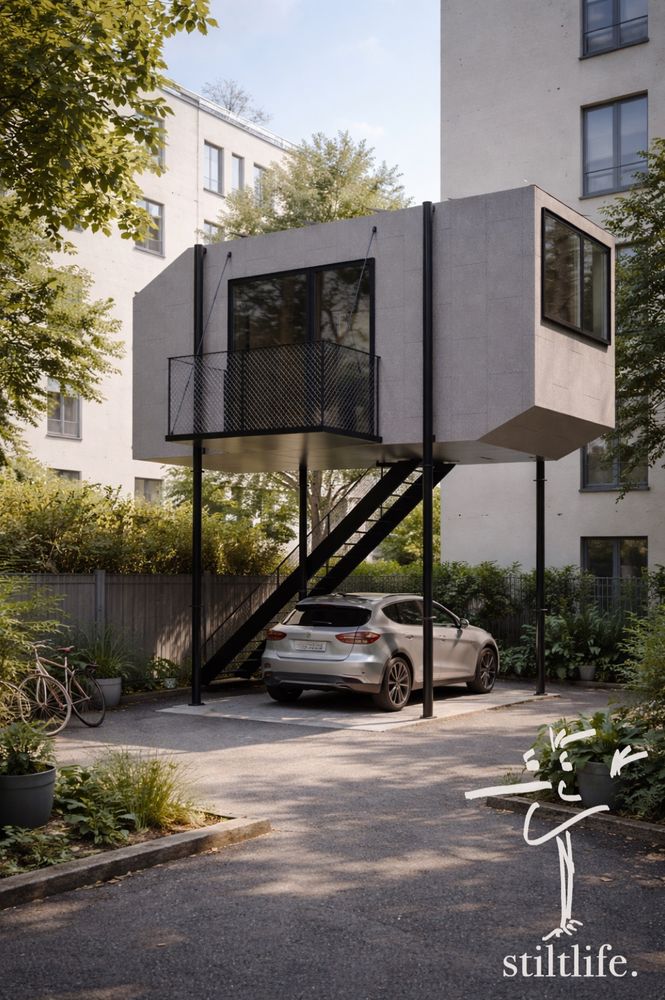
A compact cork-clad home is elevated above a curbside parking space, showing how cities can add housing without removing existing infrastructure. A car still fits underneath, while the stair connects directly to the sidewalk, integrating the dwelling into everyday street life. Surrounded by historic urban buildings, the scene illustrates a realistic, human-scaled approach to densifying the city by building over space that is already in use.
#UrbanDensification #HousingInnovation #AdaptiveCity #CorkArchitecture #FutureOfLiving #SpaceEfficiency #SustainableCities
Investment
Partnership
Wildlife Corridor
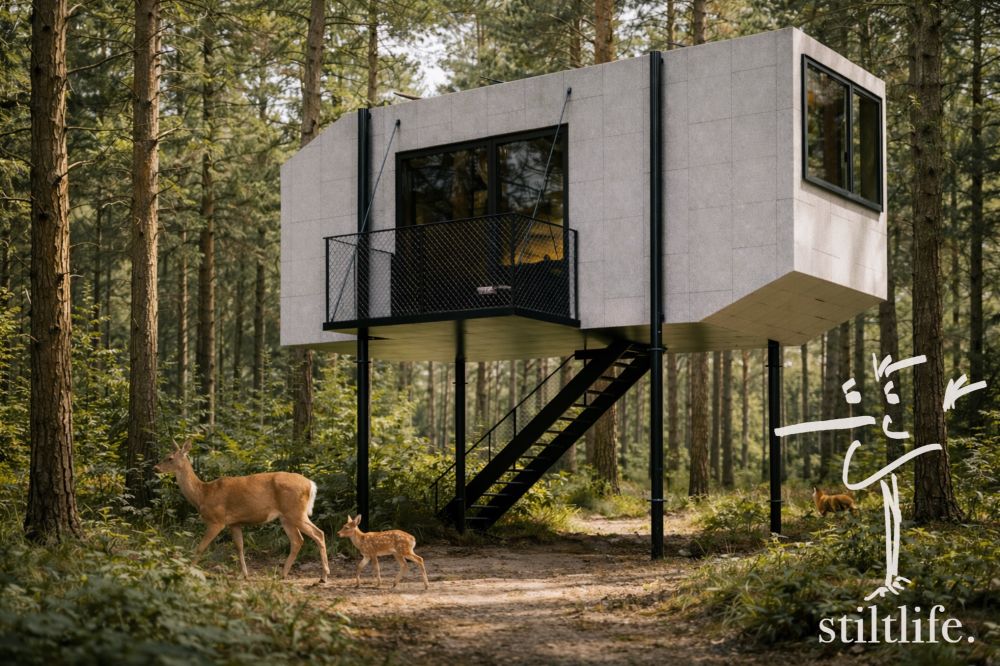
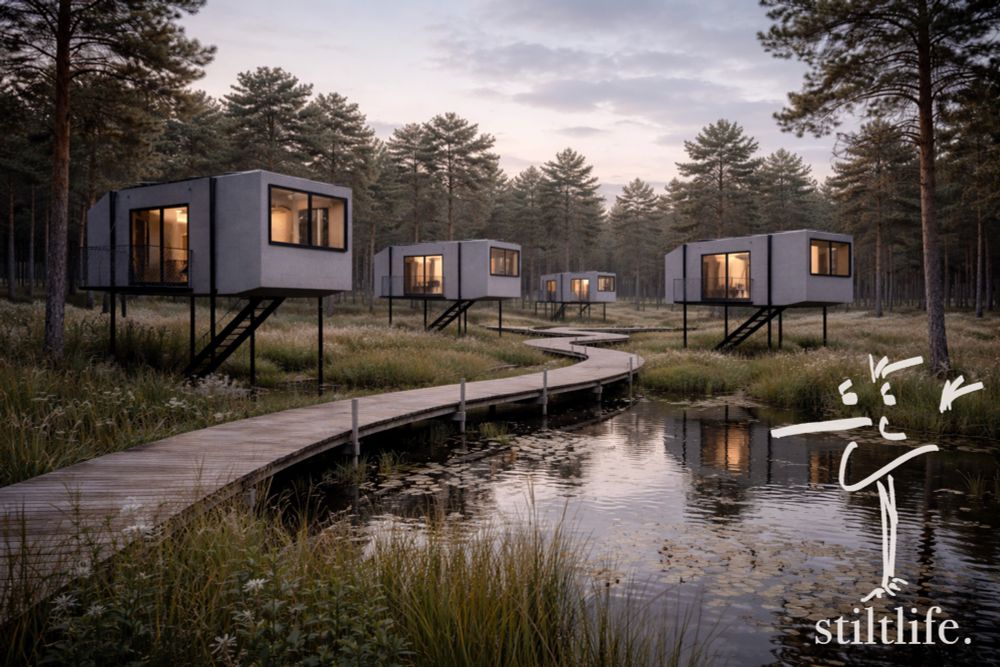
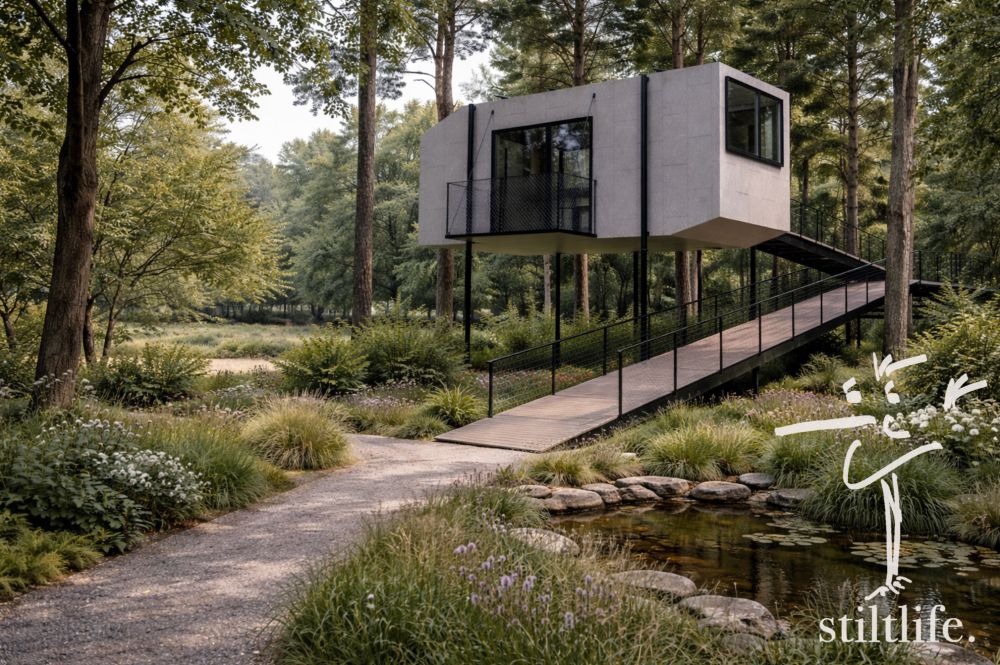
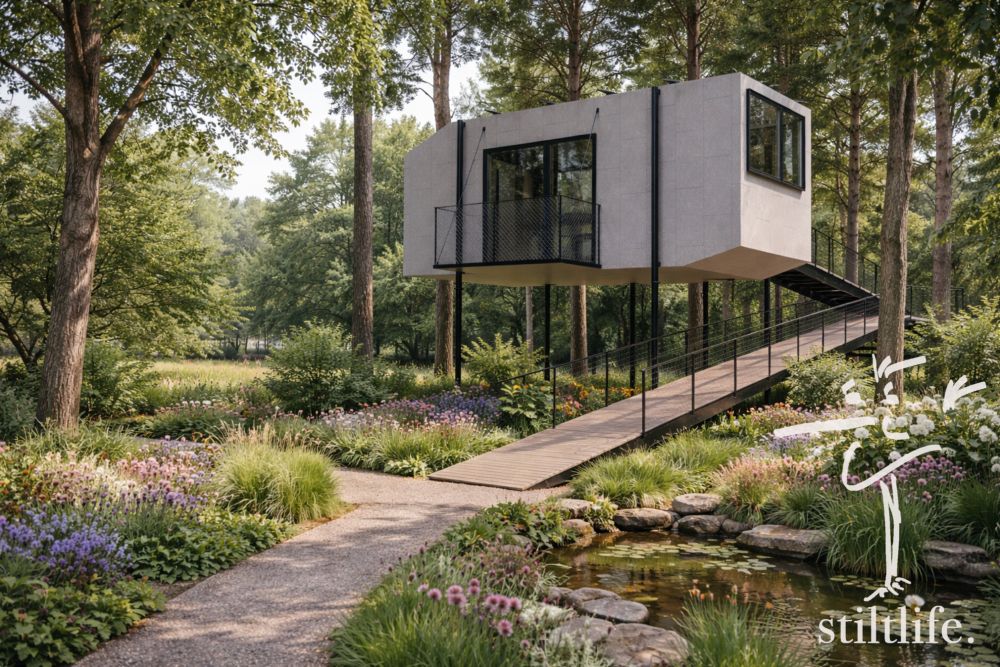
This house does not sit on the land. It hovers above it.
Raised on slender stilts, the ground remains a continuous habitat. Animal paths continue beneath the structure, plants grow undisturbed, and the forest floor belongs to the wildlife that was here long before the building arrived.
Architecture becomes a guest rather than an owner — present, but not imposing. Living here means sharing space, not claiming it.
Coexistence is not a design feature.
It is a design decision.
#wildlife #slowarchitecture #calm #silentarchitecture
Investment
Partnership
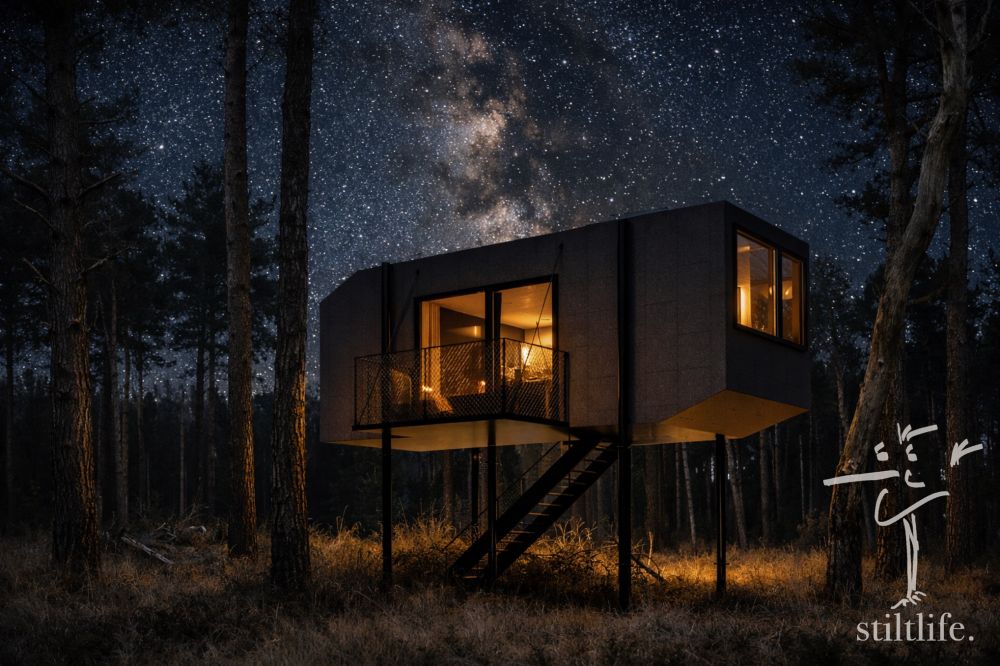
Night Without Light Pollution
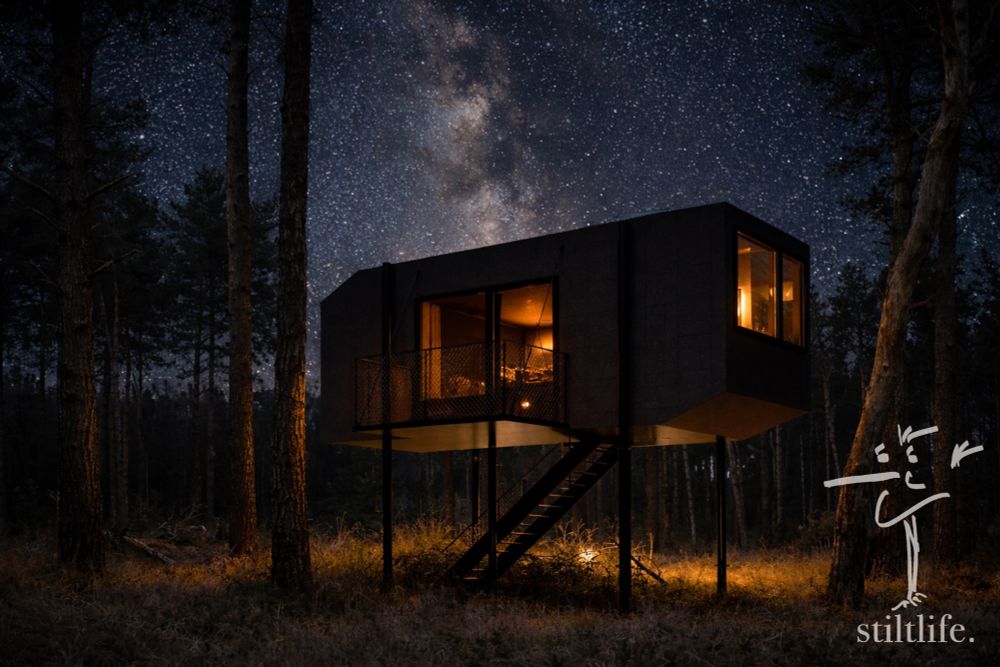
When night falls, the architecture steps back.
The dark interior absorbs artificial light instead of spilling it into the landscape. From the outside, the house almost disappears — allowing the stars to take their rightful place. The Milky Way becomes part of the living experience, not a distant memory washed out by glare.
Inside, the atmosphere is warm, calm, and deeply intimate. Outside, the ecosystem remains undisturbed. This is not about isolating from nature, but about experiencing it more truthfully — under a sky that is still allowed to be dark.
Comfort and responsibility are not opposites.
Here, they exist in balance.
Investment
Partnership
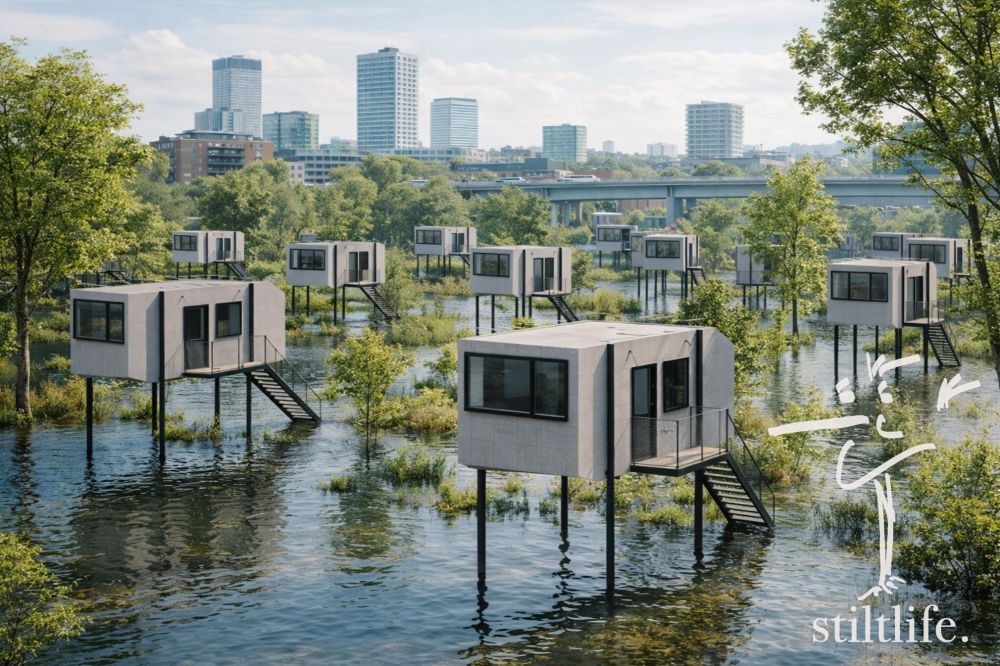
Living with the landscape, not against it.
Our stilt house rethinks how architecture can exist in sensitive environments — from wetlands to flood-prone areas. By lifting the structure off the ground, the natural water flow, soil life, and ecosystems beneath remain largely undisturbed.
It’s a model for future settlements that need to adapt to changing climates and rising water levels — light on the land, resilient by design.
Building higher doesn’t mean dominating nature.
It means giving it space to breathe.
#stiltlife #futureliving #climateadaptation #architecture #livingwithnature
Investment
Partnership
Urban Deployment – Building Above What Already Exists
In dense urban environments, space is no longer found only on the ground — it is found above it. Elevating stilt houses over existing parking areas unlocks underused airspace without removing essential infrastructure. A single parking bay can host a compact residential unit while preserving the function below, creating housing without additional land consumption.
This approach allows cities to introduce temporary or permanent living space exactly where it is needed most — during renovations, housing shortages, or emergency situations. The lightweight, reversible structure minimizes intervention in sealed surfaces and can be installed or removed with minimal disruption.
By building upward instead of outward, the stilt typology transforms residual urban spaces into adaptable, resilient living environments — adding housing capacity without erasing what the city already relies on.
>>> vote for us, if you can imagine one of our stilts above a car-parking lot in your neighbourhood.
#temporary #adequatehousing #housingshortage #urbanhousing #architecture #response
Investment
Partnership
Quiet architecture. - No iconic gestures, no visual noise.
The project focuses on function, climate response, and material logic — allowing the landscape to stay in the foreground.
Accessibility is integrated as a fundamental design principle, and the structural columns work with — not against — barrier-free movement and spatial clarity.
Sometimes the most sustainable design is the one that stays silent.
#silentdesign #architecture #stayback #nature #respect #barrierfree #movement
Investment
Partnership
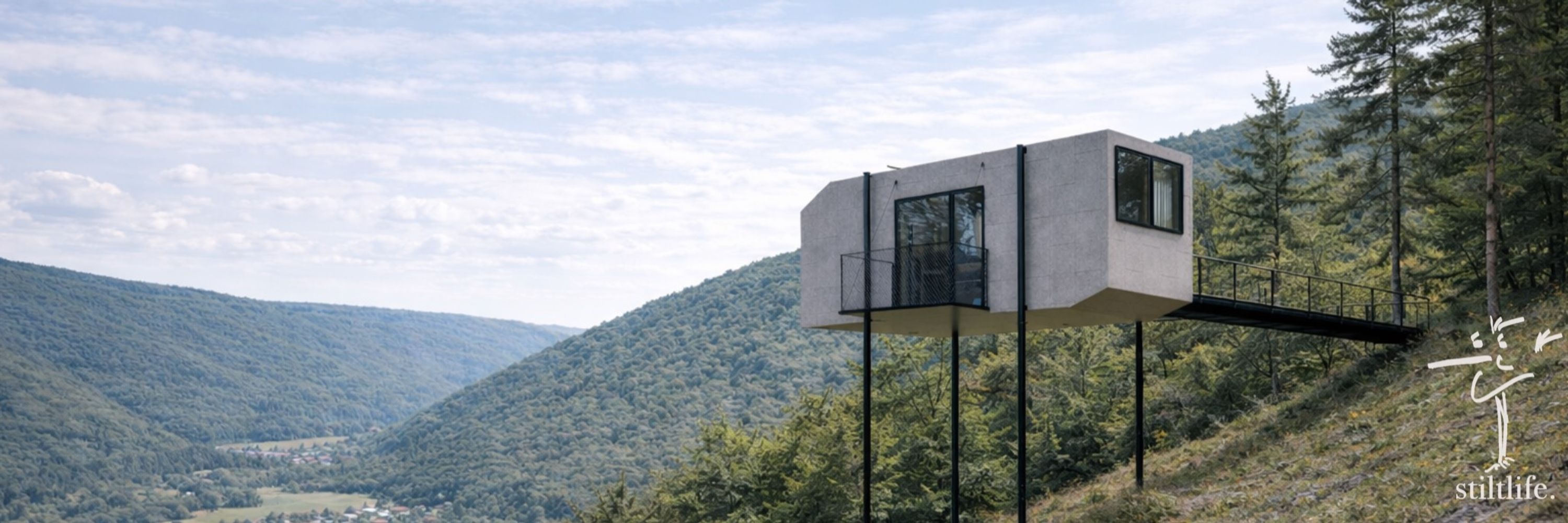
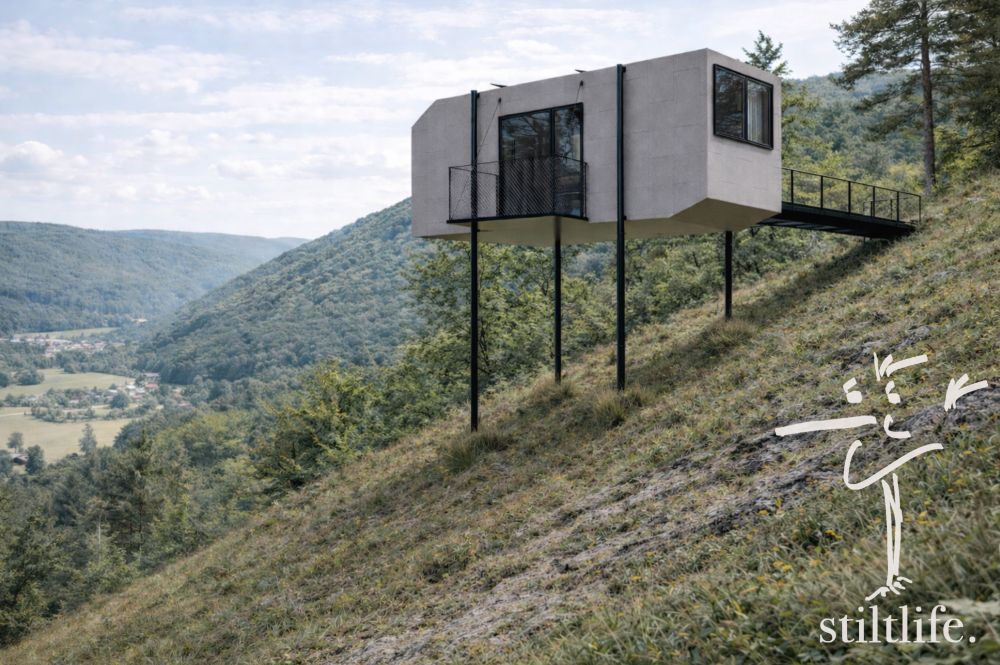
Building where others can’t build.
Steep slopes, sensitive landscapes, unstable ground — places where conventional construction reaches its limits.
Stiltlife rethinks how we build: our elevated stilt structures can adapt to terrain with up to 45° incline — without heavy foundations and without sealing the soil.
This creates living space where nature, topography, and climate risk were once seen as barriers.
Lightly placed instead of heavily imposed. Adaptive instead of rigid.
We build where others give up — while leaving the lightest possible footprint.
#InspiredInnovation #GreenBuilding #ClimateResilience #CircularConstruction #Stiltlife
Investment
Partnership
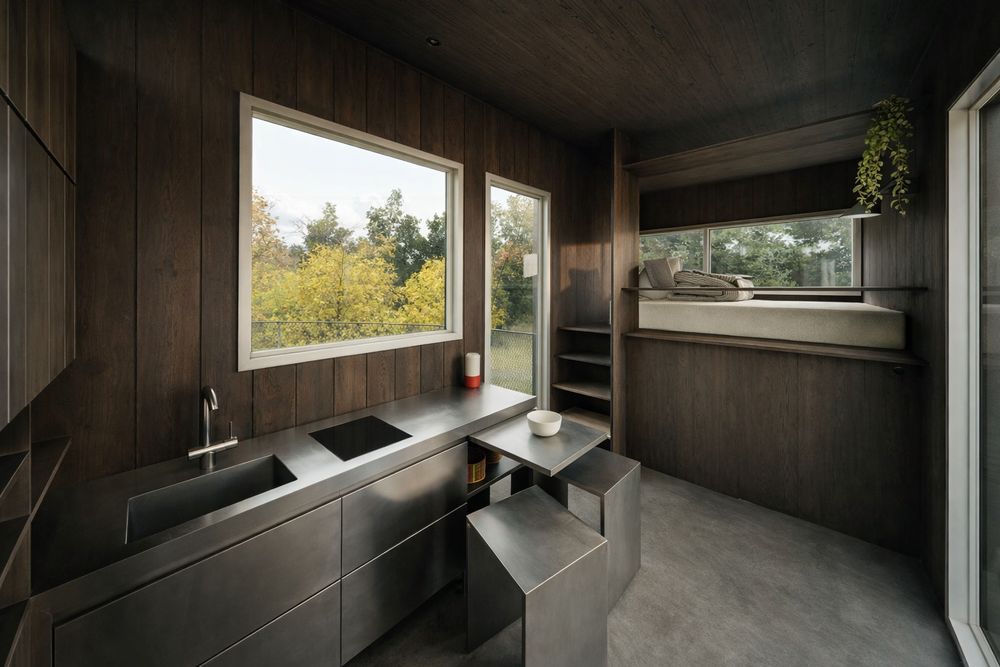
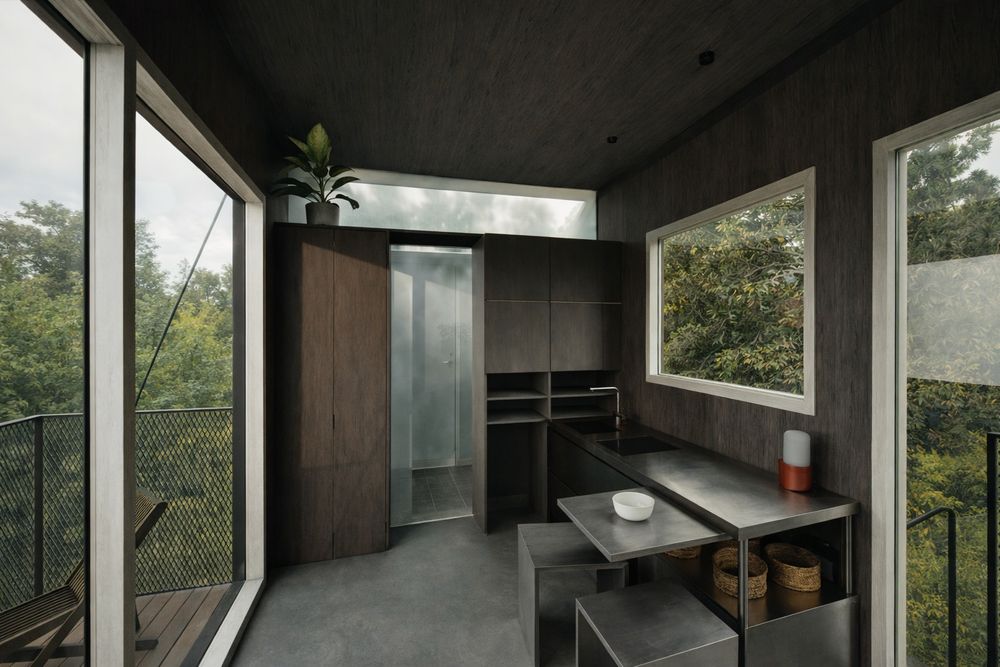
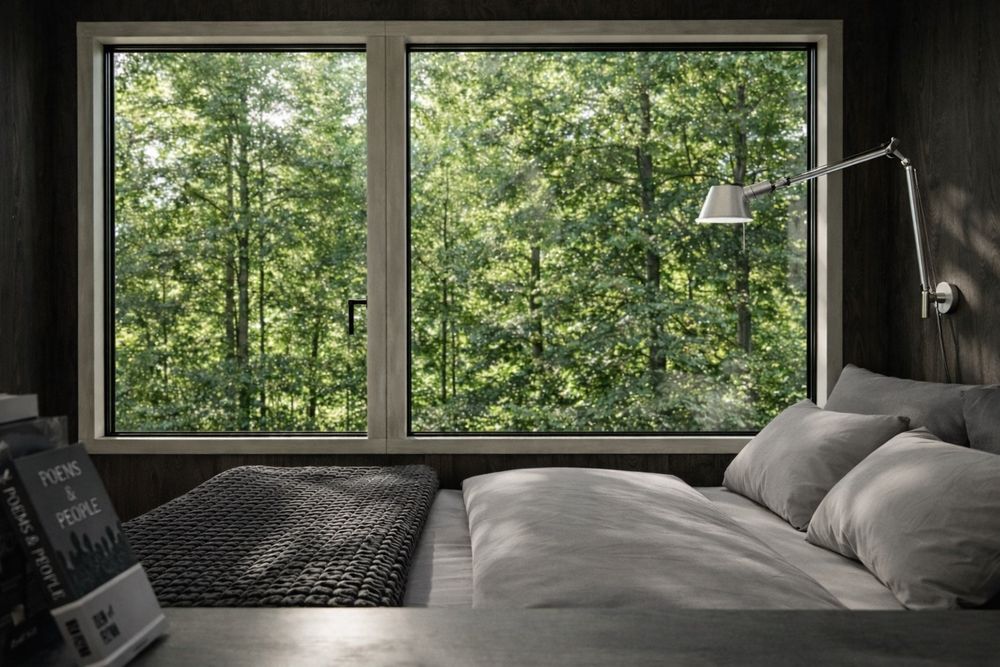
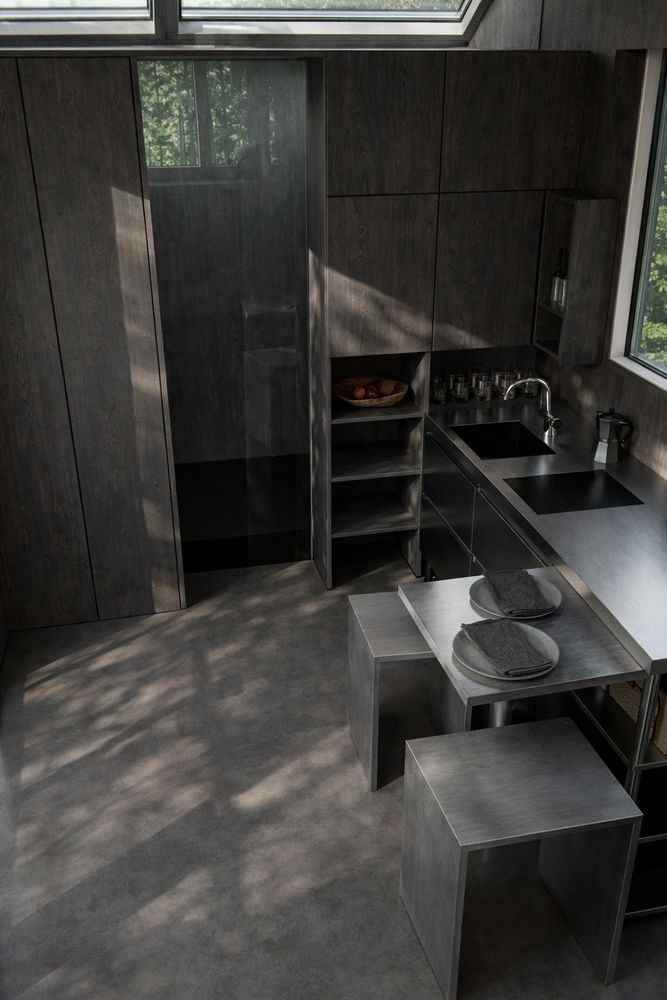
Black interior to reduce light pollution
Dark interiors as an ecological choice.
The black interior absorbs artificial light and minimizes light pollution when the building is placed in nature.
Instead of illuminating the surroundings, light is kept inside — creating a calm, focused atmosphere while respecting nocturnal ecosystems.
Architecture doesn’t have to dominate nature to be visible.
Architecture means to take over responsibility.
#responsibledesign #responsibility #respect #nature #stepback #stepup #stiltlife
Investment
Partnership