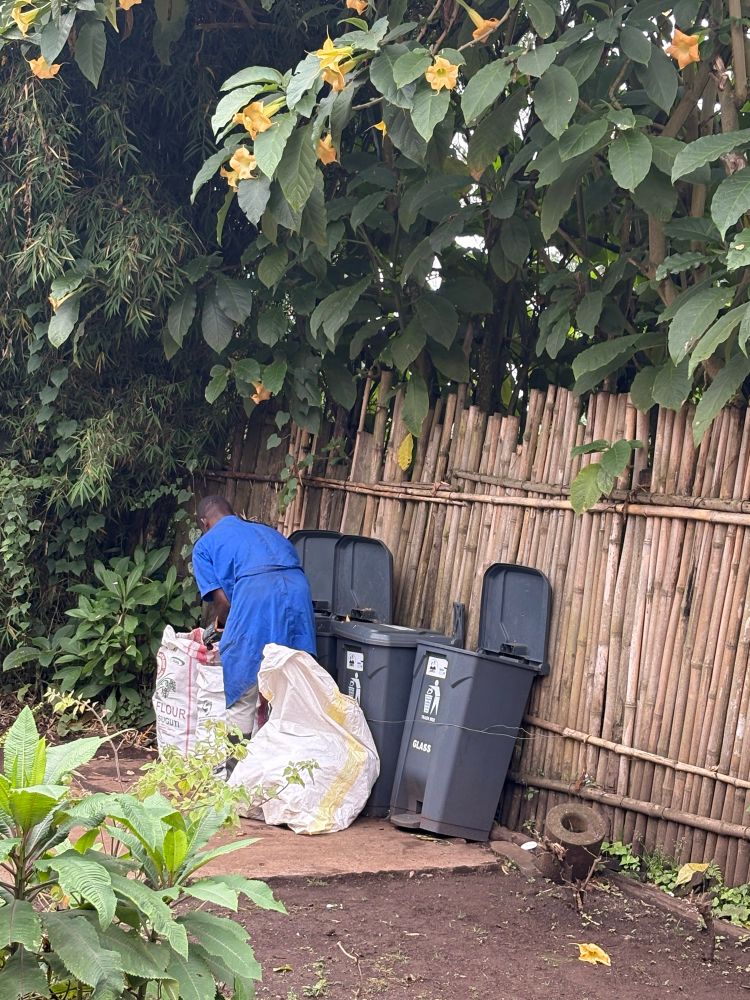
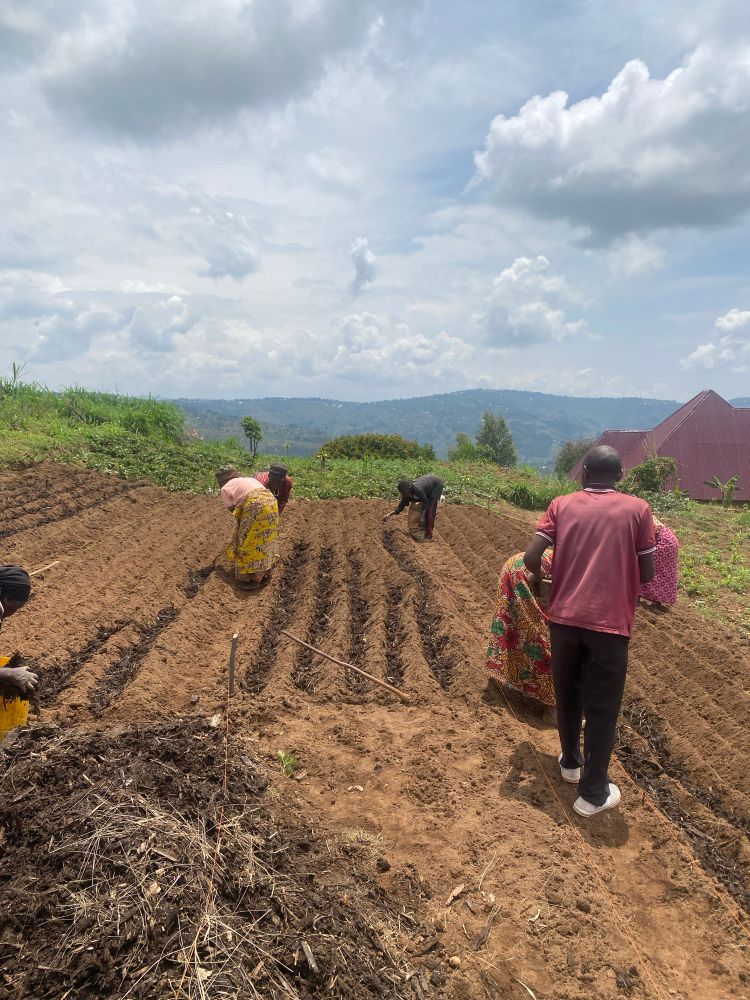
I was in Musanze on Thursday with a small team that collects waste from apartments and three hotels near the main market.
No big trucks. They run cargo bikes, sort on the curb, and the food waste goes straight into compost rows and black soldier fly bins behind their yard.
What stayed with me was the price. They sell a 50kg bag of organic fertiliser for about rwf 12,000 to potato farmers around Kinigi. That is about half the price of imported fertiliser in the shops.
Hotels give them the waste for free because it cuts their collection fees. Apartments pay a small monthly fee. It is not fancy tech, just timing and a serving your community.
Are you seeing other towns in Rwanda where the waste loop actually pays for itself like this?
#Musanze #Rwanda #CircularEconomyThe next wave of food and nutrition companies will not expand farms in Europe or the US. They will outsource production steps to Africa.
This is more than sourcing coffee or moringa from Rwanda and Kenya. It is moving parts of the value chain to where crops grow.
Where regulation is stiff, innovation slows. The EU requires GlobalGAP, the US requires USDA Organic, with no harmonization. A Rwandan processor needs $80k working capital for three months, but banks still ask for land title.
The opportunity: test solutions here first. Zipline proved medical drones in Rwanda, then scaled globally. The same model works for food.
If standards and capital were aligned, which part of the value chain would you move to Africa first?
#AgriTech #ImpactInvesting #ClimateSmartAg #RwandaInnovation #RwandaInnovation in farmer inputs should reduce burden, not add to it.
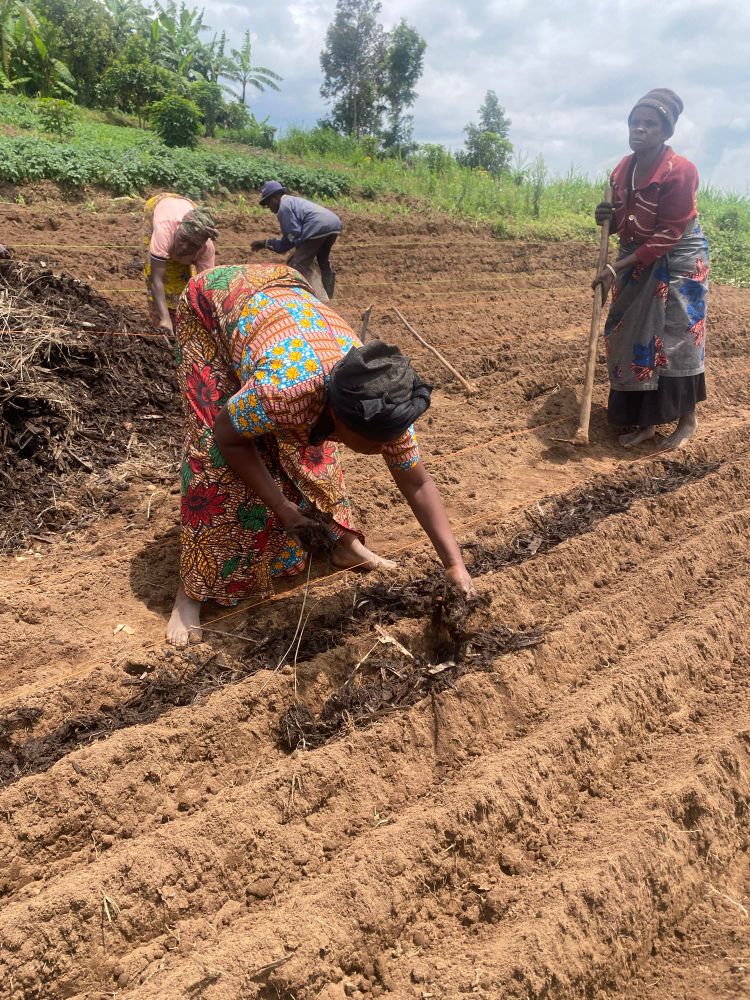
In my work, I have noticed that digital soil apps survive when tied to an input shop. As standalone SaaS, just fade.
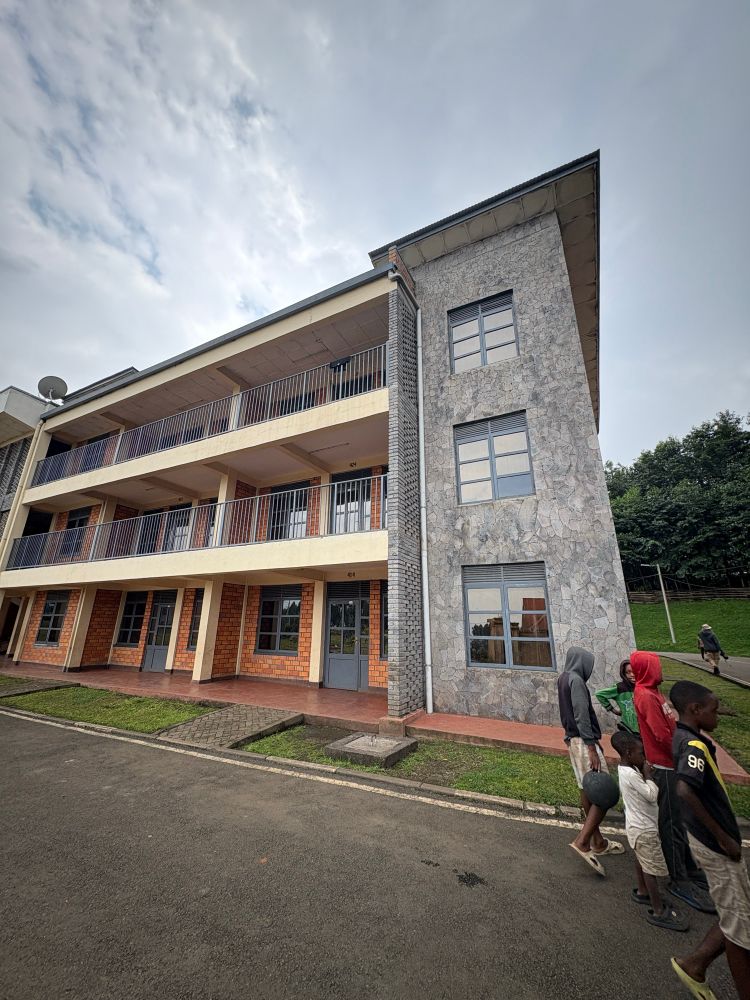
The wins pair science with a business model. In Rwanda, One Acre Fund's seed centre with RICA cut basic seed cost by 30%, sold through local agronomists as trusted agents. A government-run cold-chain hub at the border lets farmers rent small lockers, keeping quality stable for export.
Tech alone is not innovation. Maintenance, distribution, and standards make it stick.
What hardware or digital tool have you seen work because the business model came first?
#AgriTech #ImpactInvesting #ClimateSmartAg #RwandaInnovation #RwandaThe EU Deforestation Regulation will reshape how Europe buys coffee, cocoa, palm oil and more. Large buyers must prove every plot is deforestation-free since 2020, with GPS maps, from 30 December 2026. Small businesses follow by 30 June 2027.
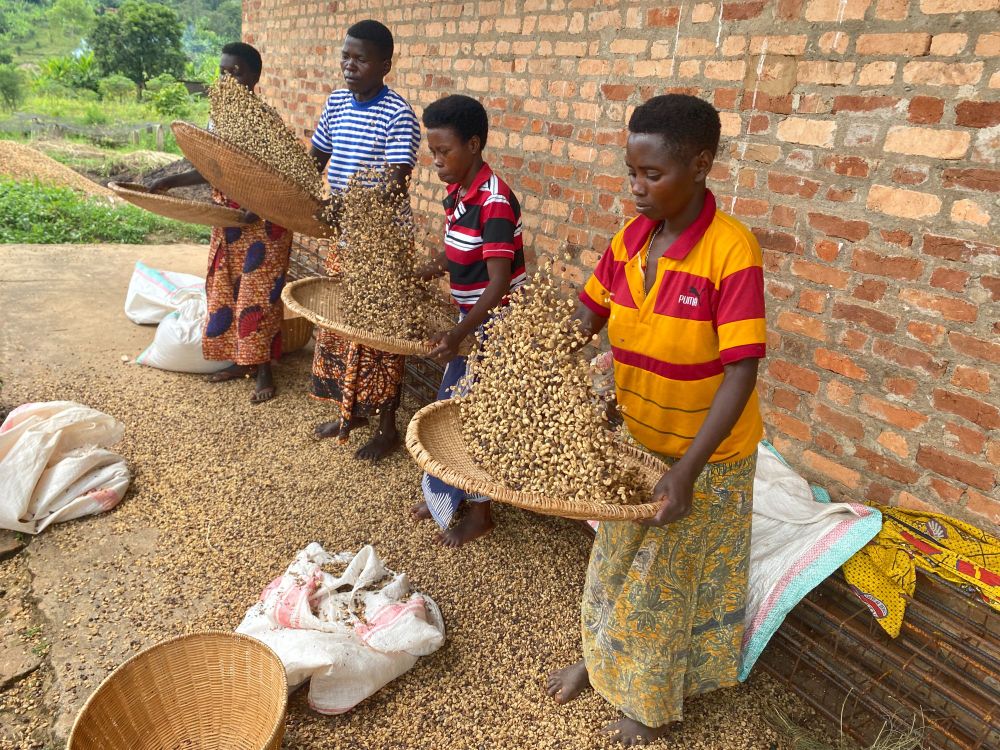
Working with Rwandan coffee exporters, I see the $8–$12 per kilo premium in Europe, with $1.20 going directly to farmers. Keeping that premium now depends on farm-level data.
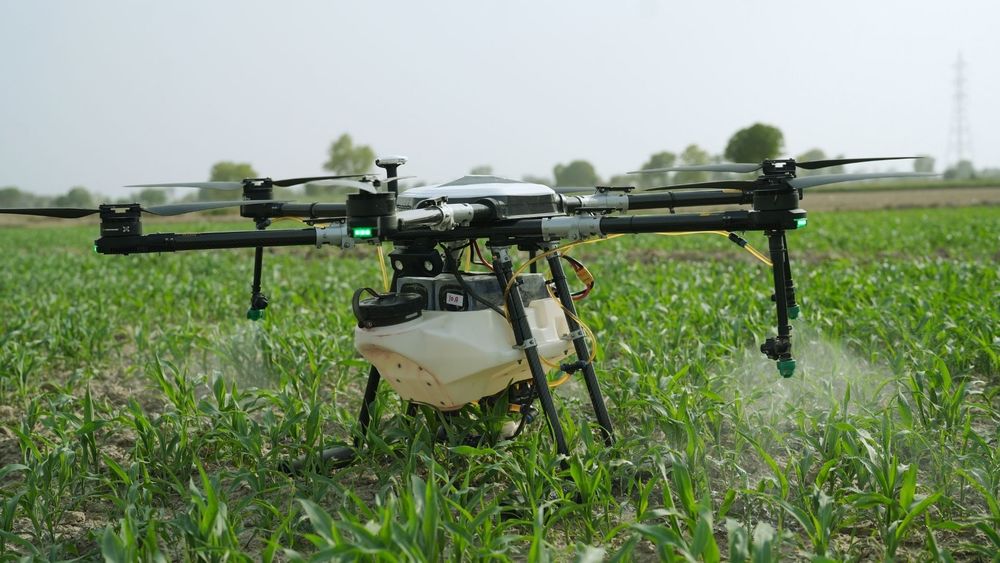
That creates a clear opening for drone based innovations: geo-mapping, NDVI stress detection, precision spraying. Farmers will not pay $5 per acre for a map. They will adopt it when the data unlocks market access.
If every plot needs a GPS point to sell to Europe, what is the simplest way to turn that point into extra income for the farmer?
#AgriTech #ImpactInvesting #ClimateSmartAg #RwandaInnovation #Rwanda #AgriTech