Every person is a self-contained economy—earning, spending, gifting, hoarding, sacrificing. But what happens to that economy when we die? In traditional systems, our micro-economy collapses inward—assets handed down along predetermined lines, reinforcing legacy through lineage. Voluntary Randomised Estate Division (VRED) flips this logic: when a person dies, their micro-economy bursts outward. A synchronised moment becomes a portal for redistribution. A lifetime of accumulated advantage is transformed from private closure into collective continuation. In that instant, the micro-economy of a single person becomes a macro-act of equity—because impact isn’t about how much you leave behind, but how far it reaches.
Investment
Collaboration
Partnership
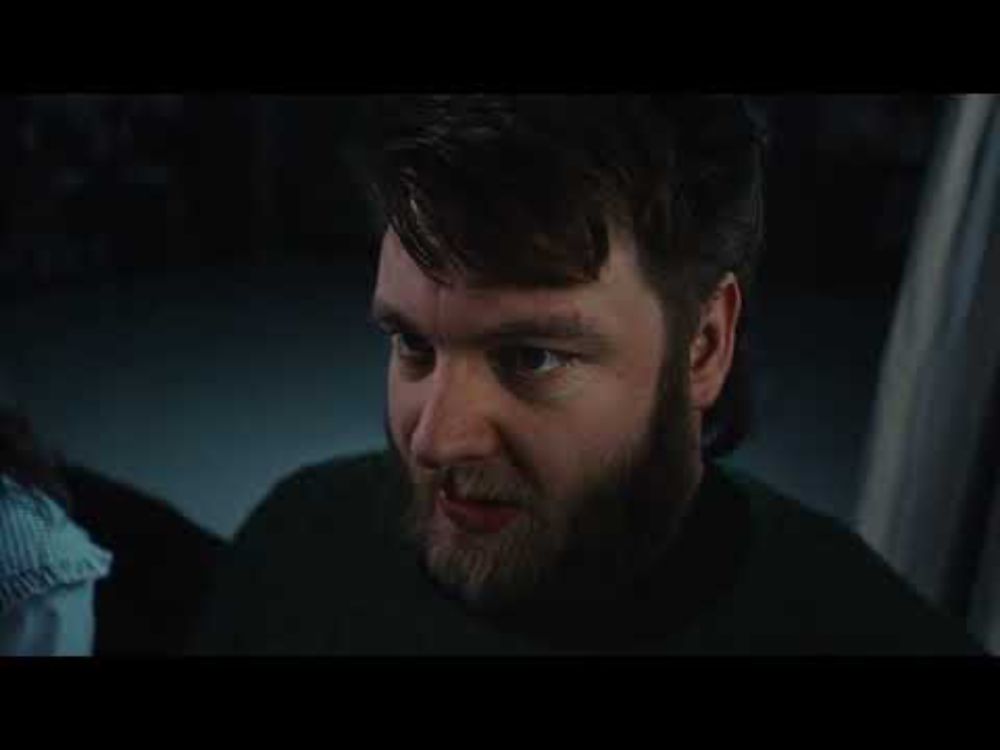
Last week, ABC Australia's Gruen - a satirical panel show hosted by comedian Wil Anderson and featuring advertising industry experts - took aim at inheritance in their iconic segment 'The Pitch'.
Creative teams from Youngbloods hilariously yet sharply highlighted the growing discomfort with traditional inheritance norms; encouraging Boomers to “spend their children’s inheritance.”
youtu.be/g0s1T-nPkyI?...
Behind the satire lies an urgent truth: Australia is on its way to gaining 400,000 new millionaires by 2028, driven predominantly by the largest intergenerational wealth transfer in modern history (UBS Global Wealth Report, 2024). This unprecedented transfer, which is echoed across the UK, US and many other wealthy countries, risks amplifying generational privilege and deepening inequality.
At Random Estates, we think it’s time to rewrite the will.
Through Voluntary Randomised Estate Division (VRED), estates—or portions thereof—are shared randomly and synchronously with the families of people who are born on the same day as you die, or the families of others who pass away on the same day, or both; turning legacy into a deliberate act of fairness and social balance.
Inheritance doesn’t have to entrench privilege—it can expand possibilities.
Explore more:
randomestates.org
🔗 Read the full UBS Global Wealth Report:
www.ubs.com/content/dam/...
Follow Random Estates on LinkedIn:
www.linkedin.com/company/rand...
Investment
Collaboration
Partnership
Around the world, millions die without a will—most of them not by choice, but because they never accumulated enough wealth to think one was needed. Meanwhile, those who do have wills are often those already holding inherited wealth. This quiet divide reinforces a pattern where assets concentrate within certain families, locking others out of the opportunity to build intergenerational security.
Inheritance remains one of the last socially accepted forms of nepotism. It feels natural—after all, who wouldn’t want to protect their own? But this “natural” instinct helps concentrate advantage and quietly deepens inequality.
What if we imagined something different?
Voluntary Randomised Estate Division (VRED) rethinks the rules. Instead of passing everything down to those you already love and know, VRED proposes distributing some or all of your estate to a randomised sample of people who die on the same day as you. In my case, I’ve chosen people in South Australia. A synchronised, unknowable link between strangers—a shared moment in time.
Randomness isn’t chaos. It’s the raw material of evolution, creativity, and life itself. It introduces possibility. And I’ve chosen to make it part of my legacy.
This isn’t about abandoning my family—I’ll provide for them during my life, and protect them in my death. But I also want to acknowledge that I have more than enough love and resources to support others too. It’s not a zero-sum game.
My will is real. It’s legally binding. And if my estate is large enough, it will impact people I’ll never know—but whose lives are no less worthy of opportunity.
If we can embrace randomness where it matters least to us—but most to others—we might unlock a radically fairer future.
What would your version of inheritance look like?
Read more here:
patreon.com/randomestatesWealth and Death: An Uncomfortable Truth About Inheritance | Voluntary Randomised Estate Division
Get more from Voluntary Randomised Estate Division on Patreon
Investment
Collaboration
Partnership