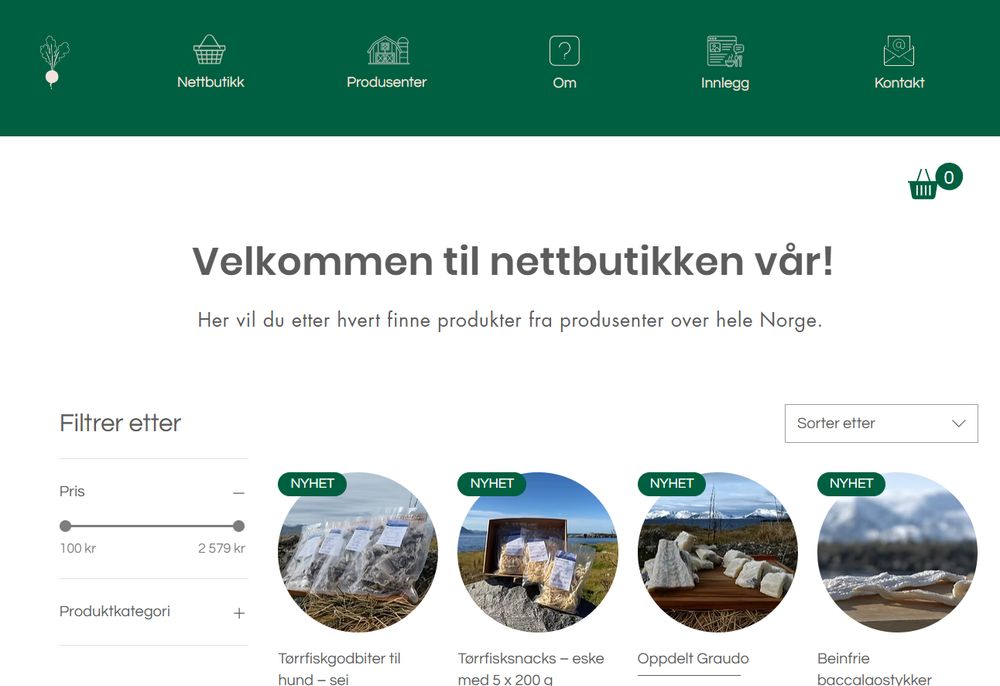
Our webshop is now live! Check it out:
www.reddiksen.no/nettbutikk
Investment
Collaboration
Partnership
Eating locally isn’t just about where your food comes from — it’s also about making the most of what’s in season.
Farms and small-scale producers across Norway offer everything from fresh vegetables and meat to fish and dairy products. Choosing ingredients that are naturally in season can mean better flavor, fresher food, and a closer connection to the people producing it.
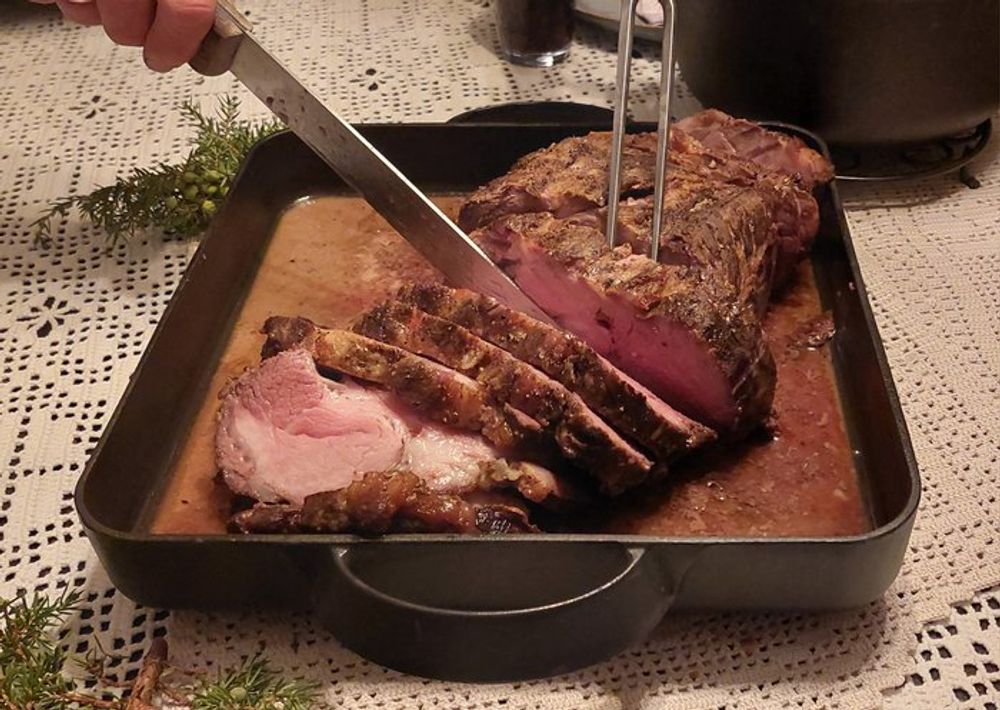
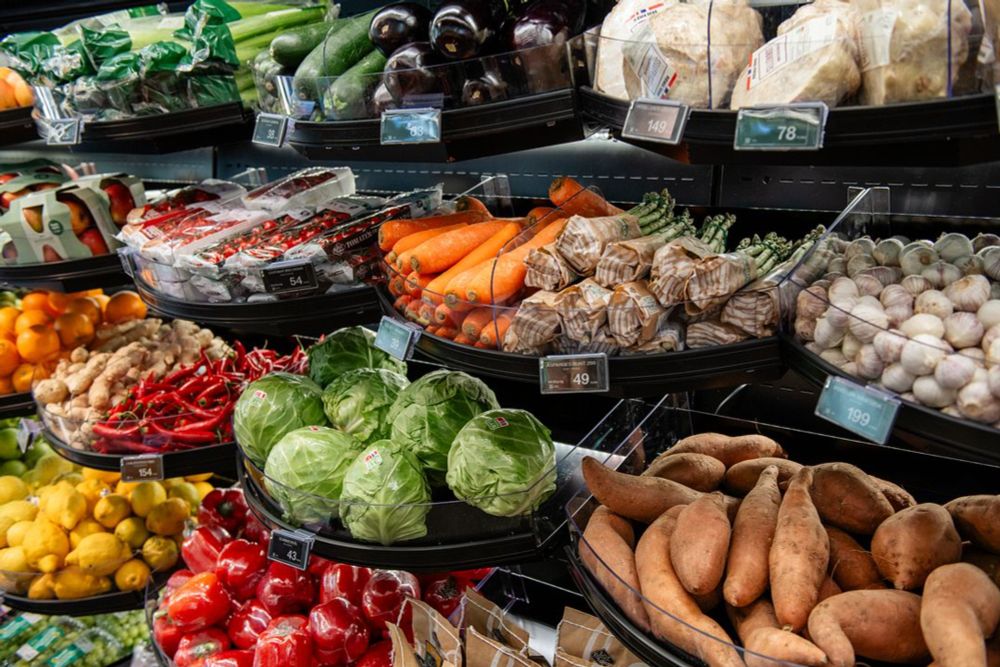
A simple place to start is with seasonal ingredients. New potatoes from a nearby farm can be served with sour cream and fresh dill, while root vegetables like carrots, beets, and celeriac are perfect for soups, roasting, and hearty side dishes.
Buying local can also help reduce the distance food has to travel while supporting small producers and local food traditions.
A few easy ways to get started:
Visit a local farmers’ market or farm shop.
Ask producers what’s best right now.
Try one new local vegetable, cut of meat, or other ingredient each week.
Keep recipes simple and let good ingredients speak for themselves.
At
reddiksen.no, you can learn more about the producers we work with and explore the products they currently have available.
#localfood #norwegianfood #smallproducers #eatlocal #seasonaleating #farmtotable
Investment
Collaboration
Partnership
Interest in locally produced food is growing across Norway. More people want to support small-scale producers and choose food that is made closer to home. Buying local food online makes that easier, giving us access to fresh, responsibly produced food without having to travel long distances.
There are many reasons why we prefer local food. One of the most important is its environmental impact. When food is produced closer to where it is consumed, the distance it needs to travel is often reduced. Shorter supply chains can mean lower transport-related emissions and help reduce the environmental footprint of the food we eat.
Local food is also often fresher. Products can reach customers sooner after they are harvested or produced, rather than spending long periods in storage or transit. This can make a noticeable difference in both quality and taste, particularly when it comes to fruit, vegetables, meat, and dairy products.
Another advantage is variety. Small-scale producers often work with traditional varieties, breeds, ingredients, and production methods that are difficult to find in large supermarket chains. Supporting these producers helps preserve local food traditions and agricultural diversity, while giving consumers the opportunity to discover products with distinct flavors and stories.
Online shopping can make local food more accessible by connecting consumers directly with producers beyond their immediate neighborhood. It combines the convenience of e-commerce with the benefits of buying from smaller, local businesses.
Visit
www.reddiksen.no to learn more about the producers we work with and explore the products they currently have available.
#localfood #norwegianfood #smallproducers #buylocal #webshop
Investment
Collaboration
Partnership
Sustainable Choices That Strengthen Food Security
Choosing local food can also contribute to stronger food security in Norway. Supporting Norwegian producers reduces our dependence on imported food. This is particularly important during periods of uncertainty caused by climate change, international conflicts or disruptions to global supply chains.
Local food production can also encourage more sustainable farming practices. Many small producers use environmentally friendly methods that protect the soil, reduce the use of chemicals and preserve the land for future generations.
-------
Practical Ways to Eat More Local Food
Eating more locally does not require major changes to your daily routine. A few simple choices can make a meaningful difference:
- Plan meals around seasonal ingredients. Norwegian fruit and vegetables are available at different times of the year, creating natural variety in your diet.
- Visit local markets and farm shops. This gives you an opportunity to meet producers and learn more about how the food is made.
- Use digital platforms. An [online store for local food] makes it easier to buy directly from Norwegian producers.
- Try new products. Local producers often offer distinctive products such as traditional cheeses, cured meats, preserves and baked goods.
- Support local food festivals and events. These events strengthen local communities and can introduce you to new producers and flavors.
By following these suggestions, you can support more sustainable food production while enjoying high-quality Norwegian food.
-------
Local Food Is an Investment in the Future
Choosing local food is an investment in the future. It supports a food system that gives greater consideration to the environment, animal welfare and local communities. It also helps ensure that high-quality Norwegian food remains available in the years ahead.
Investment
Collaboration
Partnership
How webshops make local food available
Webshops for local food make it easier to buy directly from producers. We can purchase items from home and pick them up at the producer. It saves time and gives us access to a wide selection of products.
These webshops often collaborate with several small producers. That gives us the opportunity to purchase everything from veggies, meat, and dairy to bread and jams in one order. This is practical and efficient.
By using a webshop for local food, we help strengthening local food networks. The platform connects consumers directly with producers, which in turn improves the economy for farmers and more sustainable solutions.
Check out our webshop at
Reddiksen.no today!
Investment
Collaboration
Partnership
The interest organization for retail in Norway, Virke, have ordered a report showing that 3 grocery store chains are responsible for 95% of sales in Norway: NorgesGruppen, REMA 1000, and Coop. This makes up a so-called oligopoly (monopoly with few entitites), and should in and of itself be seen as a problem. But in addition to this, the report shows that the supplier side is also very concentrated. The interest organization does of course not mention that it is the grocery store chains that determine which products are stocked on the shelves and that they themselves could choose to focus on local small-scale food producers…
We believe that the solution is found outside of the conventional industry chain. Instead of relying on problem entities in all parts of the chain, we instead look to small-scale food producers. Norwegians have to shop more local and seasonal, especially when weather and climate is becoming increasingly unpredictable.
By shopping locally directly from small-scale food producers, we achieve several things:
- Smaller climate footprint
- Less pollution
- Lower energy consumption
- Support for local employment
- Support for local food production based on local resources
- More money for the producer
- Less money for the corporate directors that contribute with little to no value
Source:
e24.no/naeringsliv/...Stor dagligvarerapport: Det er dette som er Norges problem
Forfatterne bak ny rapport retter pekefingeren mot selskapene som lager maten vår.
Investment
Collaboration
Partnership
In 2025, the prices of food and nonalcoholic drinks in Norway increased by 5.2%. This week, NorgesGruppen, one of the largest grocery chain owners, bragged about their record revenues after having increased them with over NOK 7 billion. That is an increase of 6.2%. We wonder how much of this increase is going to the Norwegian food producers and how much is going straight into the pockets of the share owners.
In Reddiksen, we believe that more of the price tag should be going to the food producers, and that less of the price tag should consist of compensation for unnecessary intermediaries.
Investment
Collaboration
Partnership
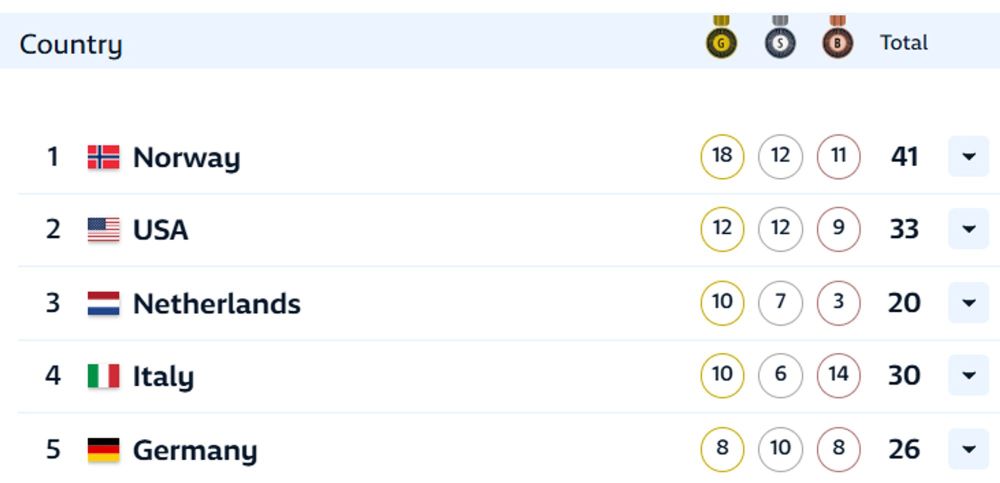
It is not a coincidence that Norway is a winter sport nation. It is also not a coincidence that our athletes come from all over the country, ranging from small hamlets to large cities.
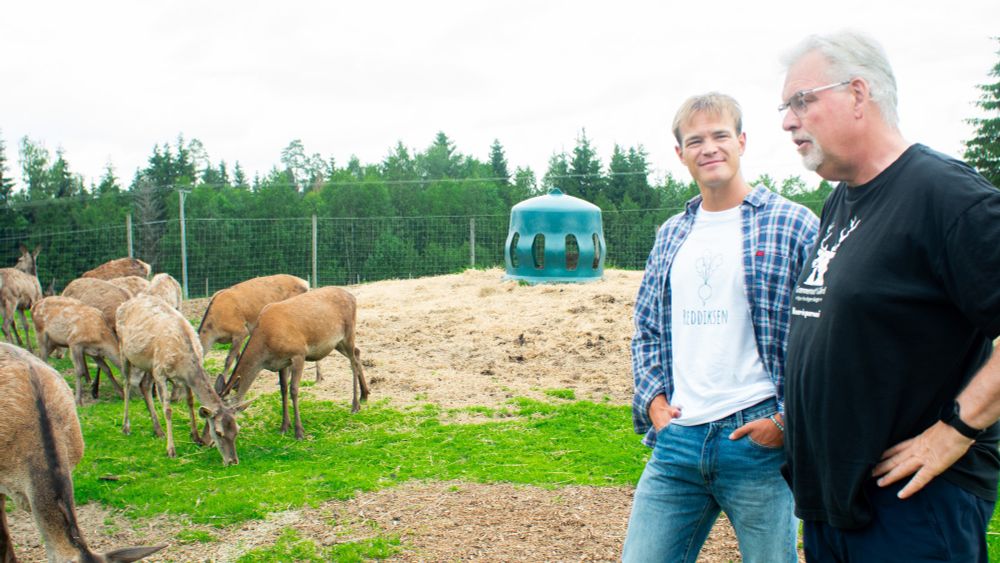
We have made a political choice to maintain settlements across the entire country. The same areas that provide us with cross-country and biathlon skiers are also the areas where the lion's share of small-scale food production takes place.
When we support local producers, we support more than just food on the table. We support living mini-communities, jobs, and a structure that makes it possible to live and work in all parts of Norway.
It is not a coincidence. But it is also not something we can take for granted.
Investment
Collaboration
Partnership