Recent posts
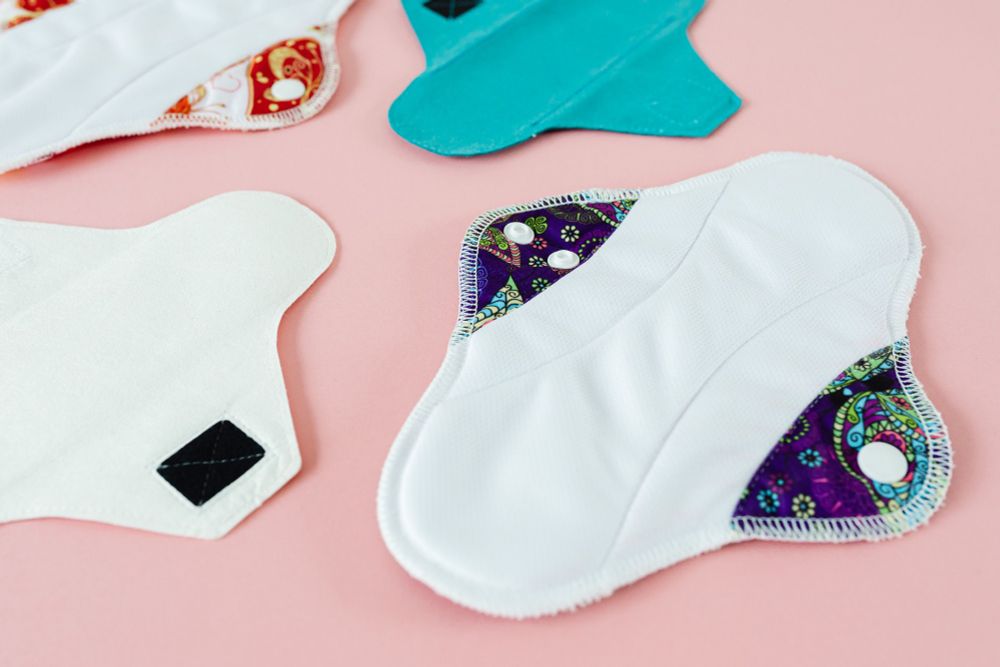
During a discussion on menstrual hygiene, I suggested promoting reusable cloth pads in low-resource communities. They seemed like a sustainable, affordable option. Then someone who had worked closely with these communities shared a perspective I hadn't fully considered.
The issue wasn't the reusable pad itself. It was whether women had consistent access to clean water, soap, privacy, and adequate sunlight to wash, dry, and store the pads hygienically. In some communities, menstrual stigma can also make drying reusable pads openly in the sun difficult.
That conversation reminded me that a good intervention isn't just one that works in theory, it's one that works in the real lives of the people it's meant to serve.
Sustainability, affordability, dignity, and practicality all matter. Public health solutions are most effective when they're designed around the realities of the community, not just the ideal scenario.
What are your thoughts? How do we balance environmental sustainability with safe, practical menstrual hygiene in resource-limited settings?
Image source: Pexels
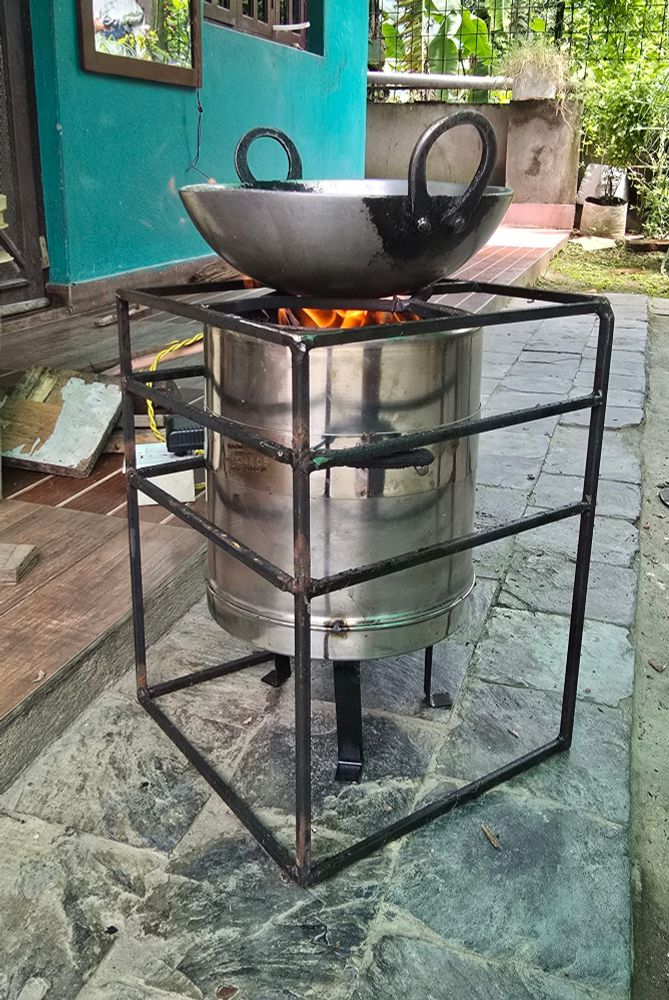
Sometimes, innovation doesn't have to be high-tech. Sometimes, it looks like this.
Today, I had the chance to cook on this improved biomass cookstove and it reminded me that some of the most meaningful innovations are often the simplest ones.
For many families, especially in rural communities, cooking is still done using firewood or biomass. The way we cook doesn't just affect the environment, it also influences indoor air quality, fuel consumption, and the health of the people who spend hours preparing meals every day.
What I found interesting was how a relatively simple design can improve fuel efficiency and reduce smoke. It may not seem revolutionary, but small improvements like these can make a real difference when adopted across thousands of households.
As we talk about climate action, it's easy to focus on large-scale technologies. But sometimes, practical solutions that fit into people's daily lives can have an equally meaningful impact. Not every innovation has to be complex. Sometimes, making everyday life a little cleaner, safer, and more efficient is innovation in itself.
One thing I've come to realize in clinical practice is that treatment only works if patients truly understand how to take their medications.
In many rural communities in Nepal, a significant number of patients struggle to read English, yet most prescriptions, medication names, and even the days of the week on blister packs are written in English. We explain the medications during the consultation, but it's a lot of information to remember, especially for elderly patients or those taking multiple medications.
In many pharmacies, the strips are marked with a permanent marker to indicate when the medicine should be taken. It helps, but those markings often fade with time. As tablets are pushed out, even the printed information on the blister pack gradually disappears. I've seen some private hospitals use simple medication envelopes with clear written or visual instructions. It's a small intervention, but one that can make a real difference. Expanding similar patient-friendly approaches across more healthcare facilities could help improve medication adherence.
We often talk about improving access to healthcare, but accessibility doesn't end when a prescription is written. It also means making sure people can understand, remember, and confidently follow their treatment once they return home. Sometimes, the biggest barrier to good health isn't getting the medicine, it's knowing how to use it.
Sometimes, the patient isn't the only one who needs care.
Recently, I met a woman who had been caring for both of her bedridden in-laws with chronic illnesses. As we talked, it became clear that she wasn't just a caregiver; she was lifting, bathing, feeding, cleaning, managing medications, and running the household. She was also trying to earn enough to support the family because her husband struggled with alcohol use and was rarely home.
She told me she was exhausted. The physical and emotional demands of caregiving had already started affecting her own health. I advised her to rest. She looked at me and quietly said, "That's not possible." When I suggested asking for help, her answer was simple: "They're dependent on me." What stayed with me wasn't just her exhaustion, it was the guilt she felt at the thought of taking care of herself.
As healthcare professionals, we often focus on the patient in front of us. But behind many patients is a caregiver quietly carrying an enormous physical, emotional, and financial burden.
Sometimes, I wonder how many caregivers quietly become patients themselves while putting everyone else first. Perhaps it's time we started caring for them too.
One thing medicine has taught me is that disease doesn't always look the way we expect it to. Some of the patients I diagnose with hypertension, diabetes, or dyslipidemia are physically active farmers. They walk long distances every day, work tirelessly in the fields, and often consume mostly home-cooked meals made from local foods and grains.
It challenges many of the assumptions we commonly make about non-communicable diseases. We often emphasize physical activity and lifestyle modification in prevention, and these are undoubtedly important. But experiences like these make me wonder if our understanding of non-communicable diseases is sometimes more complex than the conversations we have around them.
Medicine constantly reminds me that health and disease rarely fit neatly into simple explanations.
Have others working in healthcare or public health noticed similar patterns in their own communities?
Temperatures here in Nepal seem to be rising day by day, and the heat is often accompanied by high humidity.
For some people, summer means swimming, relaxing indoors, adjusting their schedules, or escaping to cooler places. But for many others, especially those whose livelihoods depend on working outdoors, the heat is not something they can simply avoid.
Farmers, construction workers, street vendors, and daily wage earners continue to work under the sun because they have families to support and bills to pay. During breaks, they rest wherever they can find a patch of shade before returning to work. And after a long day, many return home without access to fans, air conditioning, or other ways to escape the heat.
As temperatures continue to rise, we have to ask ourselves; how can we better protect the people who are most exposed to these extreme conditions, yet have the fewest resources to cope with them?
True climate action isn't just about reducing emissions, it's also about protecting the most vulnerable among us.
Lately, I've been noticing a shift in my OPD. More and more patients seem to be presenting with non-communicable diseases such as hypertension, diabetes, dyslipidemia, hyperuricemia, and even various cancers. These conditions no longer feel like occasional finding, they are becoming a significant part of everyday clinical practice across different age groups.
While communicable diseases remain important, Nepal appears to be undergoing a significant shift in disease patterns. National data suggest that over 70% of deaths are now due to non-communicable diseases, and from my own OPD experience, these conditions are becoming an increasingly common part of everyday clinical practice.
It makes me wonder, are we seeing more of these conditions because we have better access to investigations and health screening? Or have changes in diet, physical activity, stress levels, urbanization, and lifestyle significantly altered the health profile of our communities? Perhaps it's a combination of both.
Research has long highlighted the growing burden of non-communicable diseases globally, but witnessing this shift firsthand in the OPD makes those statistics feel much more real.
For those working in healthcare, public health, or even within your own communities, have you noticed a similar trend? What factors do you think are driving this change?
Lately, I’ve been thinking a lot about how AI is quietly changing the way we think not just the way we work.
When we instantly look something up or ask AI for an answer, it sometimes feels like we are renting information instead of truly owning it.
We read it. Use it. Then forget it almost immediately.
I’ve noticed this in myself too. Sometimes I even second-guess things I already know, simply because a device is there to confirm it for me. I remember retaining information so much better when learning required more effort - opening a physical book, searching page by page, sitting with the material longer. The friction of learning made things stick.
Of course, AI is incredibly useful, and I don’t think the answer is rejecting technology.
But I do think there’s an important balance to protect : not outsourcing every thought, every memory, or every moment of deep focus.
Maybe one of the most important skills moving forward will be knowing when to use AI and when to trust our own minds first.
Curious if others have noticed this shift in themselves too.