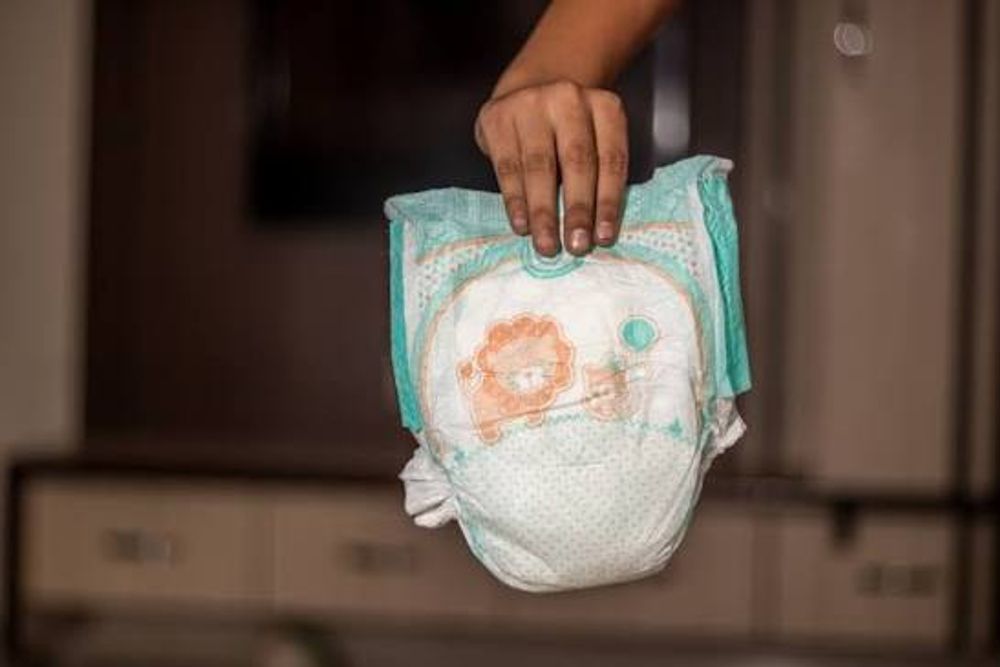
A room full of executives told a female innovator the problem her idea would solve was too small to matter, a "women's issue" kind of niche, which in the '40s meant it wasn't worth their time or their money. She went around them entirely and built her first prototype in her kitchen, using a sewing machine and a shower curtain. Saks Fifth Avenue saw the vision and started carrying it in 1949.
Two years later, her company and patents sold for a million dollars, worth about $9 million today.
That woman was Marion Donovan and that company wasn't even a baby products company. It was a children's clothing manufacturer that saw exactly what those executives had dismissed.
She went on to hold twenty patents in her lifetime. The idea that changed infant care almost didn't survive its first pitch meeting.
"Too niche" to matter? Sometimes niche just means the right person hasn't been asked yet.
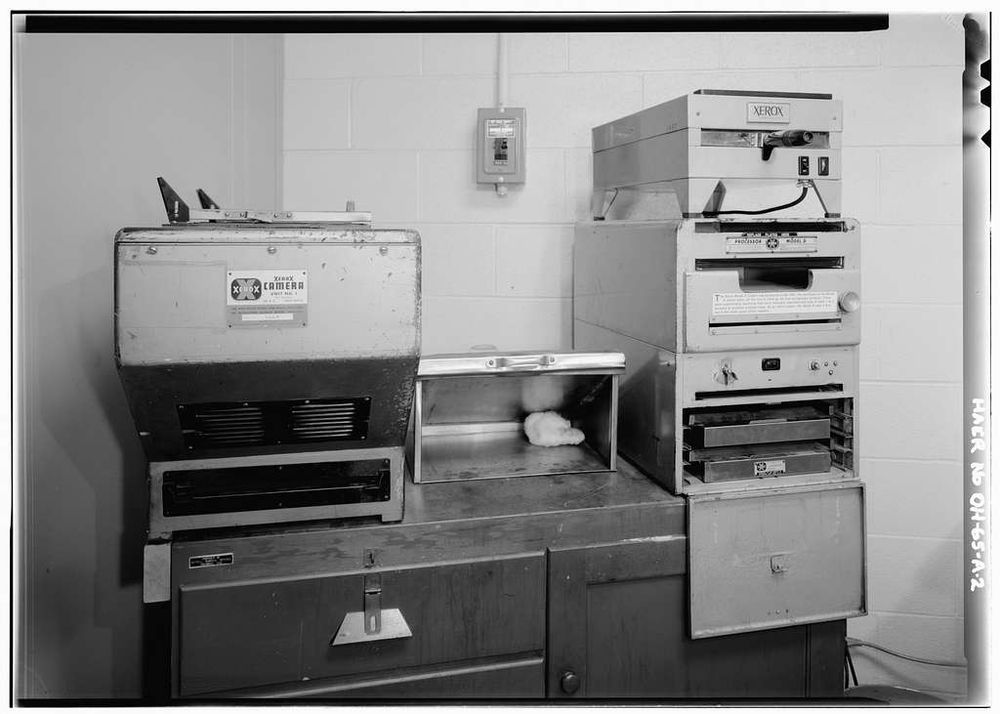
Twenty companies said no to Chester Carlson, including both IBM and General Electric. He'd invented the photocopier in 1938 and spent the next nine years trying to convince people of its value.
He kept building anyway. No funding round. No applause. Just years of showing up for work nobody else believed in yet.
The company that finally said yes wasn't an obvious partner. Haloid was a small photo paper business trying to survive in Eastman Kodak's shadow. We all know the name Kodak. Very few might know the name Haloid. Betting on Carlson's invention had nothing to do with their business at the time. It was a gamble on something completely outside their lane.
They didn't even take the name right away. It took over a decade for Haloid to become Haloid Xerox, then simply Xerox. The company grew into its own name only after the work proved itself.
That bet eventually did become one of the most recognized names in the world. Within two decades, the machine sat in nearly every office.
Nine years is a long time to keep believing in something everyone else has dismissed. What's kept you building through the part where no one's noticed yet?
I was evaluating a job posting recently by a coach looking for a content strategist to run his social media. I pulled up his website along with the social profiles for a quick analysis and immediately noticed a glaring problem with the website.
The headline did absolutely nothing for the target audience. I ultimately decided against applying for the role but what has stayed with me is how much opportunity that mismatch is costing him.
And the thing is I've seen this pattern before. A client once came to me looking for social media strategy. During our first conversation, I mentioned a few things I noticed about her brand positioning. She ended up hiring me for that project first.
Social media visibility means nothing without message consistency behind it. Otherwise, you're just giving a weak message more exposure, while your ideal clients pass you by for the competitor who has positioning nailed.
Would your website convince a stranger to trust you in the first five seconds?
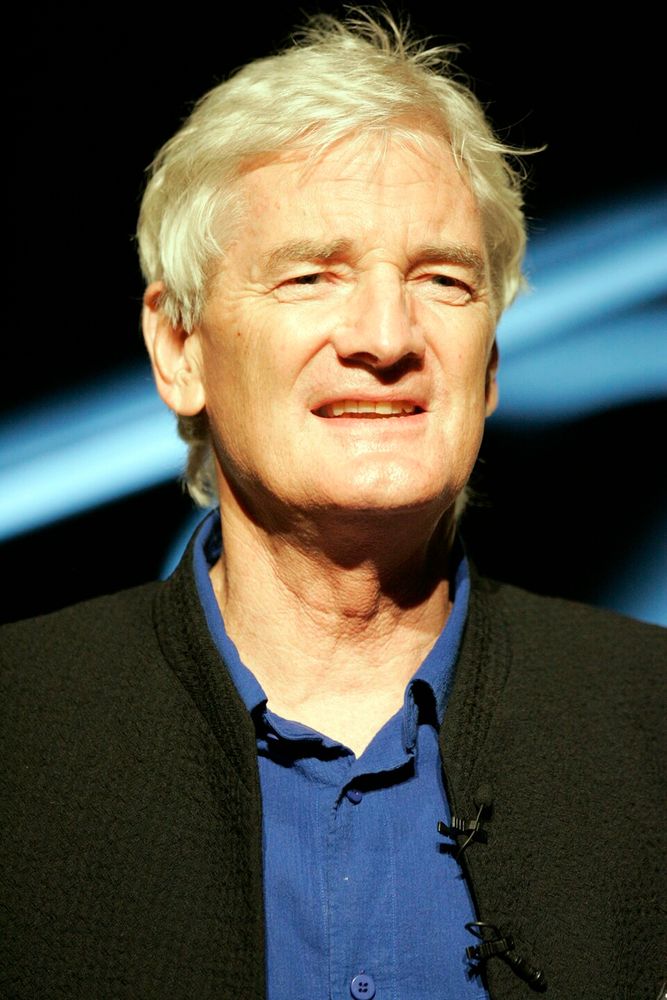
James Dyson spent fifteen years building 5,126 failed prototypes before the cyclone vacuum finally worked. Fifteen years without a product, without a launch, and without anyone outside his workshop even knowing what he was doing.
He spent those years building quietly, with no audience watching any of it.
That's easy to forget now, when so much energy goes toward being visible before you've even built anything worth being visible for.
Attention is rented. You pay for it every day with content, with posts, with performance, and the moment you stop paying, it disappears.
An asset, though, is different. It continues working, whether or not anyone is watching that day.
The vacuum made Dyson known.
Most of the innovators we remember spent years building something valuable before anyone knew it was happening. I wonder what lessons we’ll see down the road between how this looked prior to social media versus afterwards. Your thoughts?
He had a winning idea. AI automation built for a specific kind of professional, solving a problem he understood better than almost anyone in that industry. His website copy, though, could have belonged to any AI company selling to anyone.
I completed an audit, evaluating what was working and what needed to change, while keeping his voice intact. I kept what worked and suggested adaptations for what didn't based on my research on who he was actually trying to reach. He rebuilt the sections that needed tweaking around that person, specifically. By the time I completed the rest of the work he hired me to do, including a brand voice guide, he had his first client.
Here's what he said about my work when we wrapped up the project: "It wasn't generic filler. It was thoughtful, strategic writing that actually represented who we are."
That is the work I love most. Taking something someone poured years into and making sure it finally resonates with the people it was built for.
My teenage daughter went in for a dental consultation yesterday.
I left researching my own amalgam fillings.
After her dentist referred us to an endodontist suspecting a root canal may be needed, and the endodontist confirmed it, we drove an hour and a half to see a biological dentist for a second opinion. The only reason I even knew this type of dental care exists was through an online holistic health community.
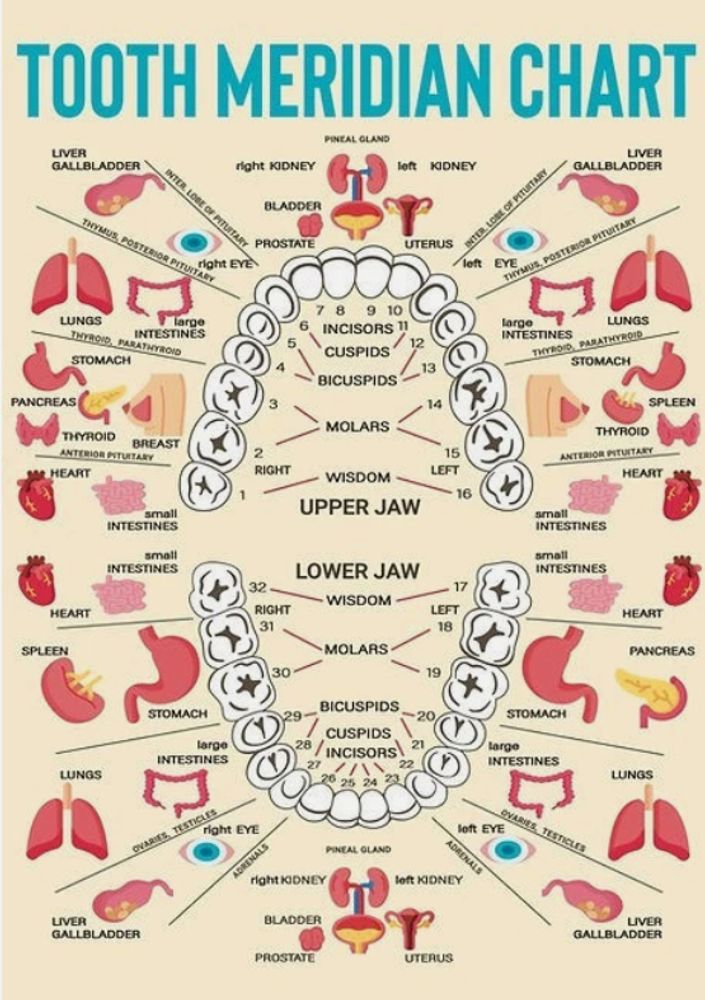
What we found was a completely different philosophy, and a Meridian Tooth Chart that maps every tooth to specific organs and systems throughout the body.
The biological dentist recommended extraction, but presented both options honestly, explained what she’s seen happen when root canals are left in place long term, and afforded my daughter space to think it over and make the choice that feels right for her.
Patient autonomy felt like the default there rather than the exception.
That drive shouldn't have even been necessary. I so wish this provider had a location closer to us!
Have you or someone you know had experiences with root canals or amalgam fillings they connected to health problems that surfaced later?
Can AI help feed a world of 10 billion people?
A new supercomputer in California's Central Valley is betting on it.
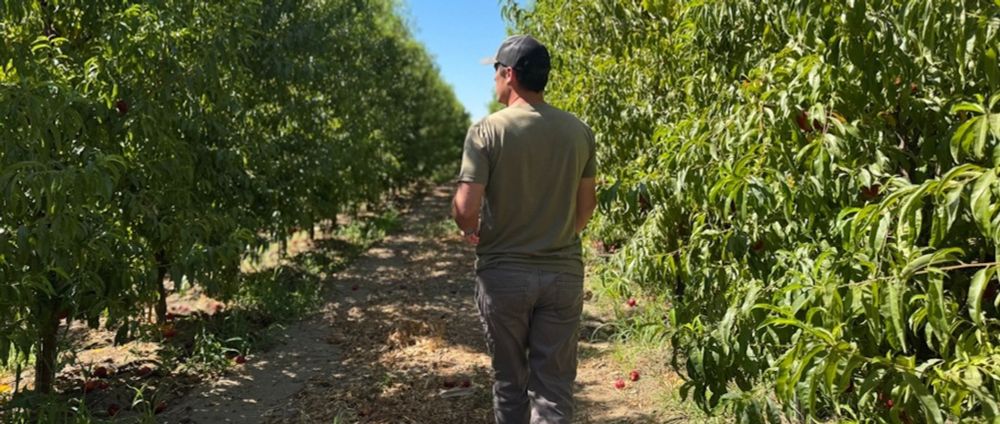
The UN estimates global population will reach 10 billion by 2050. The USDA says agricultural production needs to increase by at least 47% to keep pace. And California's Central Valley, which produces more than a quarter of the food in America, is certainly feeling that pressure.
This AI-powered supercomputer at Fresno State is now putting that processing power directly in the hands of regional farmers. One grower built a fleet management program in three minutes that changed his operation overnight. 🤯
But not everyone is ready to hand the reins over. One farmer pointed out, "My eyes have a lot more experience than AI. It's only as good as the information that it has to work with."
That tension between what AI can accelerate and what human experience still anchors isn't unique to agriculture. I see it just as strongly in my own field of copywriting.
Those finding the most value are working with both, letting AI do what it does faster, while protecting the judgment it can't replicate.
How are farmers in your region approaching this balance, and is the adoption curve ahead of or behind what you're seeing in other industries?
thebusinessjournal.com/fresno-state...Can AI help Valley farmers feed a growing world population? A new supercomputer may hold the answer
A new AI-powered supercomputer at Fresno State is designed to help Central Valley farmers improve irrigation, equipment management and crop production while preparing agriculture for future challenges...
🐾 Rottweiler puppies are this small for only like five minutes.
The toys designed for them never catch up.
I’ve lost count of how many toys have lasted less than ten minutes in my house. And he’s not even destructive by nature, but almost nothing in the pet product market is designed for the jaw strength of a large, powerful breed.
The result is a cycle most large dog owners know well. Buy. Destroy. Discard. Repeat.
The pet industry designs for the average dog, which means large and powerful breeds generate disproportionate waste from products that were never built to last in the first place. This is a product lifecycle problem that’s very frustrating.
Who should be solving it, the brands, the materials innovators, or do pet owners need to get a lot louder about it before anyone starts paying attention?