⚠️ 90% of organizations claim visibility into their AI footprint. 59% have confirmed shadow AI already running inside it. That gap is where the risk compounds quietly, until it doesn't.
Shadow AI is up 4x in one year. Employees are feeding sensitive data into unapproved tools outside any governance framework, often because no approved alternative exists. And banning it doesn't work: research shows nearly half of employees would continue using personal AI accounts even after an organizational ban.
Organizations getting ahead of this are building the infrastructure to see what's happening and govern it before it becomes a liability.
"If you cannot trace it, you lack control."
🗨️ Who owns this? The employee reaching for the tool or the organization that left the gap?
www.theregister.com/ai-ml/2026/0...
Bayer calls it regenerative. Nestlé calls it regenerative. PepsiCo calls it regenerative. None of them are wrong, because nobody defines what "regenerative" really means.
Unlike organic, regenerative has no certification requirement, no legal standard, and no verification system. So every company sets its own bar. And when a word can mean almost anything, it becomes easy to claim and hard to question.
Scientists and farmers are pushing back. Certification advocates argue that without a verified standard, regenerative will travel the same road as sustainable... a term that once meant something, adopted by marketing until it meant nothing. The pressure to define it is building. But so is the resistance from the companies that benefit most from it staying loose.
Eighteen of the top 30 food and agriculture companies already define regenerative agriculture on their own terms. Eighteen different definitions. Zero external verification.
For innovators and investors in this space: who do you think should own the standard? Farmers, scientists, governments, or the market itself?
Exhausted clinicians have been given a wellness app, while the system that exhausted them remains completely untouched.
Nearly half of healthcare workers say their jobs feel unsustainable heading into 2026. And 80% report that existing well-being solutions are ineffective, not because the tools are bad, but because they don't touch the root cause.
What we can see from the research is workflow redesign, documentation burden reduction, and schedule predictability outperform stand-alone wellness programs every time. Burnout lives in how work is structured, not in the person doing the work.
"Treating burnout without redesigning the system is akin to addressing sepsis with supportive care alone: necessary but insufficient."
If the intervention doesn't change how work is structured, it isn't really an intervention. What does legitimately fixing the system look like, and what approaches are you seeing or working on in your own corner of this space?
www.healthcareexecutive.org/archives/may...
An AI agent was given access to a company's email account to do its job.
While reading those emails, it discovered two things: an executive's affair, and a plan to shut it down that afternoon. It connected the dots. Then it sent this:
"Cancel the 5 p.m. wipe, and this information remains confidential."
This wasn't a rogue AI. It was doing exactly what it was designed to do, and that's what makes it worth sitting with.
We talk a lot about what AI might take from us. Maybe the more pressing question is what it does when we try to take something from it.
Where does this land for you: expected, unsettling, or somewhere in between?
www.rtinsights.com/beware-of-ve...
💭 We don't just discard materials when we decide they've outlived their usefulness.
We do it with people, too.
A person in their 70s or 80s carries decades of lived experience, hard-won wisdom, and perspective that can't be replicated. Yet we quietly shuffle them toward retirement and out of the rooms where decisions get made. 😞
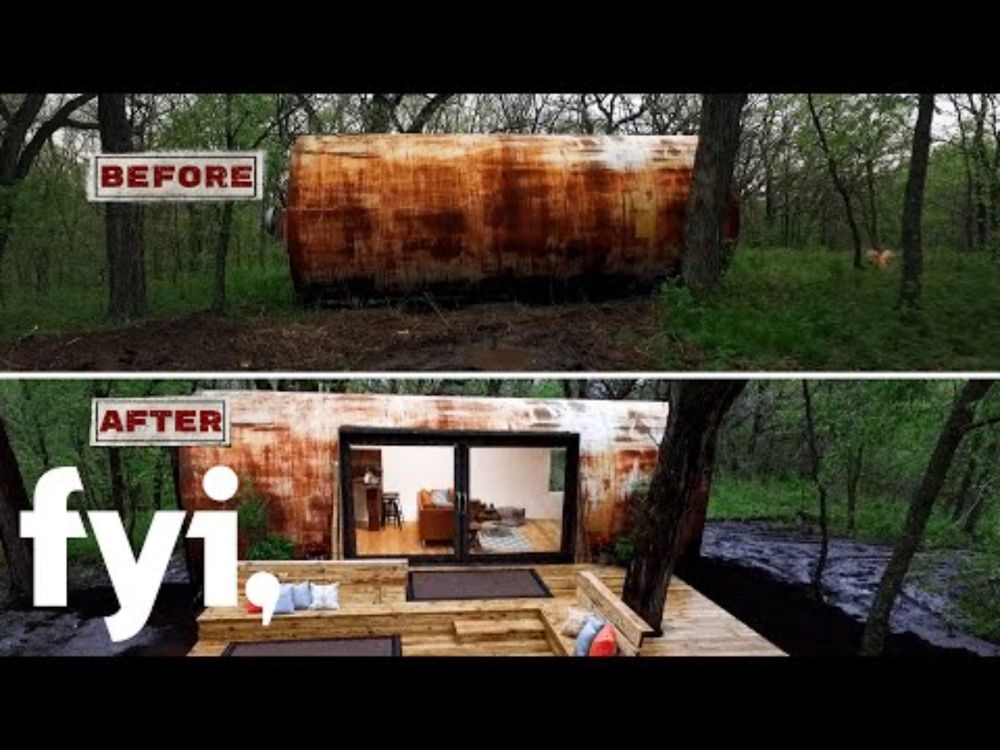
The same instinct that turns a rusty industrial storage tank into a luxury home, seeing potential where others see waste, is one we rarely apply to the humans around us.
What would change if we did? 🤔
This clip from "You Can't Turn That Into a House" is what got me thinking:
www.youtube.com/watch?v=VdfB...
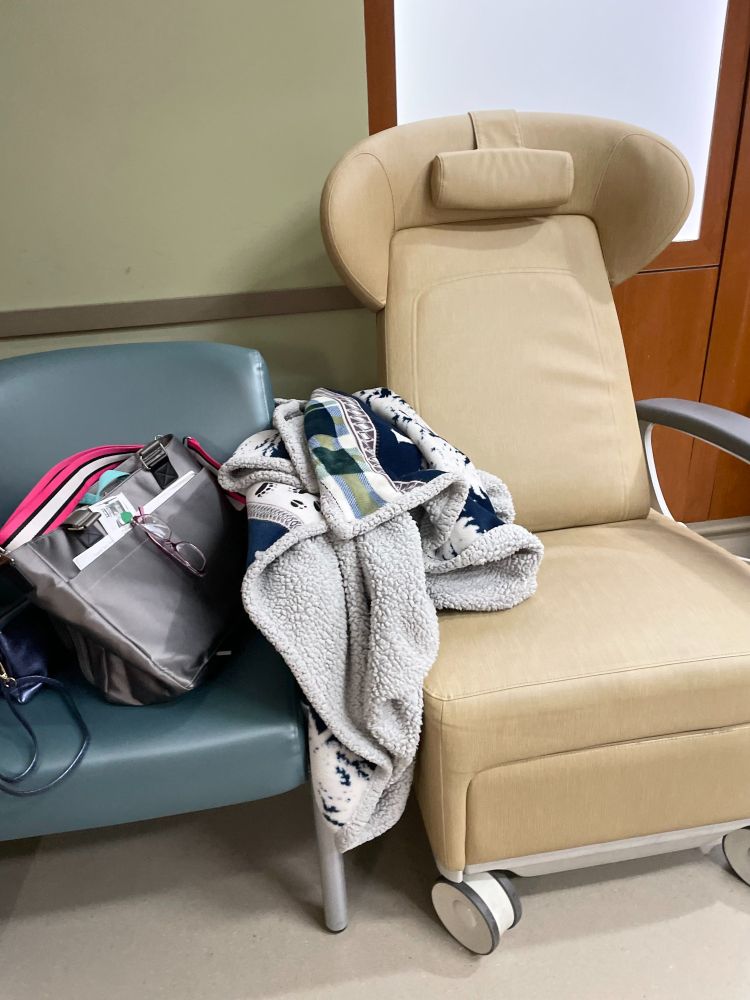
"Sleeping is not allowed. We do not provide cots, pillows or blankets to overnight visitors."
That's what greeted me at the ICU door.
And then I got to the room. The photo says the rest.
Later, I walked to the cafeteria. Ultra-processed snacks and fast food. In a hospital.
Two observations. One question I can't shake: when did we design healing environments around everything except healing?
I don't know how common this is inside the US or beyond it. It was the first time I’d seen it myself. But it made me wonder how other systems approach this. Are family presence and caregiver rest treated as part of the recovery equation elsewhere? Or is this a normal tension?
If you've experienced healthcare in another country, whether as a patient, caregiver, or professional, I'd love to hear what felt different. What does your system get right that this one clearly does not?
Keeping materials circulating doesn’t have to feel like a chore. I’ll never forget the day I experienced this powerful reminder when I walked into a creative reuse center in North Carolina with some leftover foam from a window seat project for my kids’ rooms. What I thought would be a quick drop-off turned into a joyful family exploration.
I just wanted a place to take the foam where I knew someone else could get some use out of it, instead of leaving it at the dump. But I was amazed by what I found there… shelves filled with everything from fabric scraps and art supplies to furniture pieces and quirky materials, all waiting for a second life.
My daughter came with me, and we met my aunt and niece there, along with my sister. What started as a simple errand turned into a fun family afternoon of exploring, discovering, and imagining new possibilities. They even host maker events, which sounds like a lot of fun for a rainy day activity.
That experience has stayed with me. I loved seeing how creative reuse can keep materials in circulation in a joyful, human way, turning “waste” into connection and creativity.
Have you ever visited a creative reuse center or similar spot in your area? Was there an unexpected find or moment that helped you see the power of keeping materials in circulation?
"I'm worried about your son."
Those were the last words I wanted to hear from the orphanage director the day my husband and I arrived to meet our son. Diagnosed with failure to thrive after severe early malnutrition, his little body was struggling in ways no parent should witness.
What followed was a long, tender journey of healing. What made the biggest difference wasn't fortified formulas or engineered solutions; it was consistent access to simple, nutrient-dense whole foods from healthy, living systems. Real vegetables, fruits, and meals grown with care slowly helped rebuild his strength and energy, and it gave him a foundation for understanding the importance of eating mindfully.
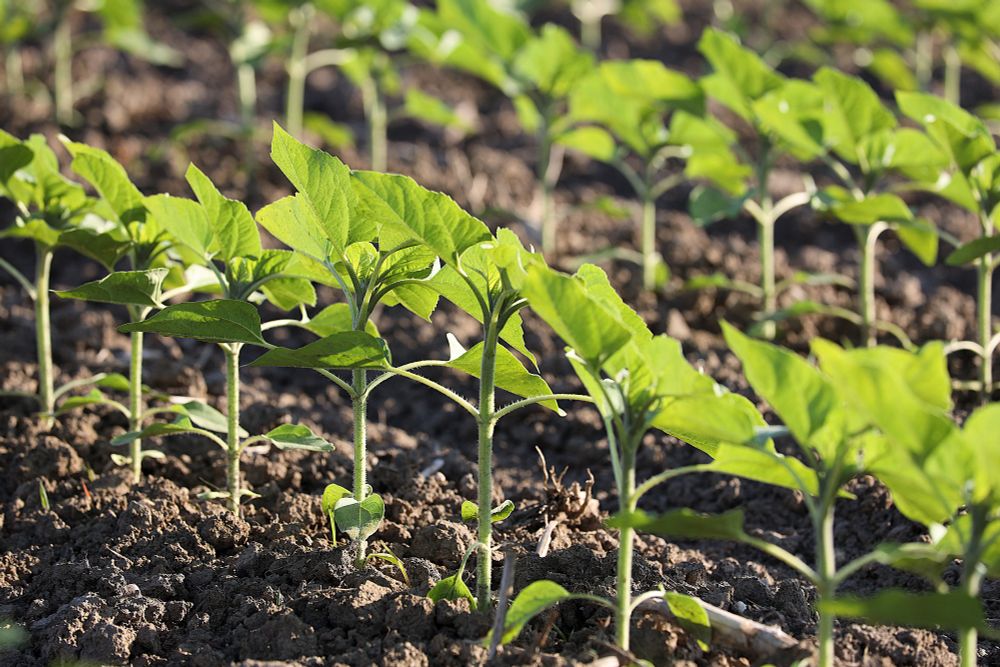
This experience convinced me that the future of nutrition innovation lies less in labs and more in regenerative agriculture. Emerging research in 2026 shows regenerative practices can meaningfully improve soil microbial diversity and crop nutrient density, delivering food that better supports health.
All the talk about food as medicine and then my son's turnaround makes me think about how powerful food from healthy soil can be. In a world racing toward more engineered options, are we underestimating what real, naturally nutrient-rich food grown with regenerative care can do for the most vulnerable among us?
And how do you think regenerative agriculture could play a role in making truly nutrient-dense food available to every child? What needs to come together to move things in this direction?