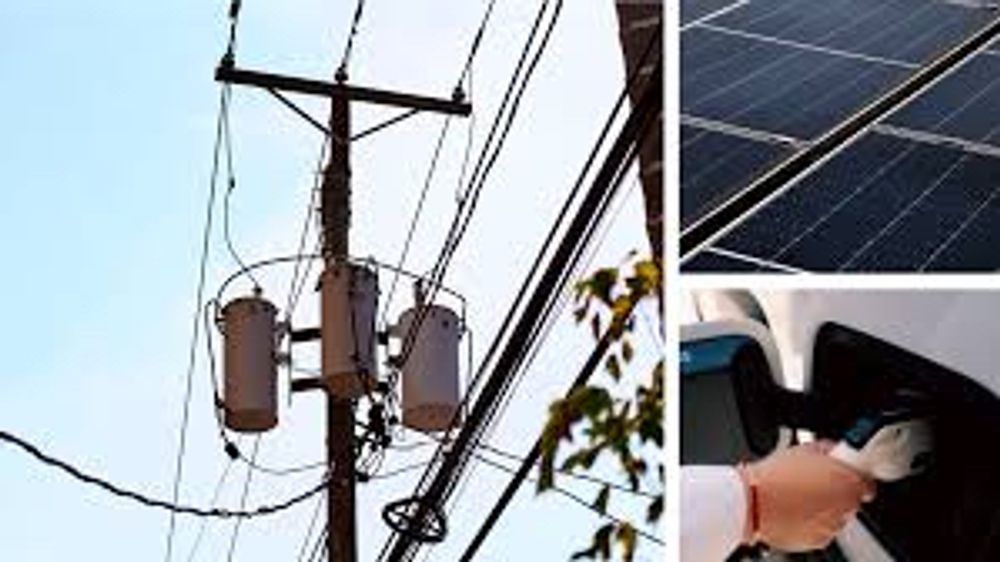
I came across a new report arguing that the future of grid resilience may not come from building more centralized infrastructure, but from finally treating distributed energy as core infrastructure.
What stood out is how much capacity already exists at the edge: rooftop solar, batteries, EVs, smart appliances, and flexible demand, and how little of it is actually treated as a real grid asset.
The technology is already here, adoption is already happening, and the economics are becoming harder to ignore. The real bottleneck is no longer deployment, but whether utilities and regulators are willing to treat distributed energy as system infrastructure rather than consumer-side add-ons.
That becomes much harder to dismiss when virtual power plants can deliver peak power at 40–60% of the cost of traditional grid investments, while also improving resilience and reducing pressure on aging infrastructure.
At that point, this stops being a climate argument and starts looking much more like a capital allocation and system design problem.
If distributed energy is already cheaper, faster to deploy, and more resilient than much of the infrastructure being proposed to replace it, what exactly are incumbent grid models still waiting for?