Recent posts
Everyone is talking about how AI is increasing electricity demand.
What gets discussed far less is the opportunity hidden inside that demand.
I came across an article arguing that data centers and climate technologies shouldn't be viewed as competitors for energy but as complementary infrastructure. The most interesting idea was that data centers generate enormous amounts of waste heat, much of which is simply lost. But what if that heat could power technologies like direct air capture, turning a byproduct into a resource?
The same logic applies more broadly. Instead of building data centers, renewables, storage, and climate tech projects in isolation, we could design them as integrated systems that strengthen each other's economics and accelerate deployment.
For years, rising electricity demand has been framed primarily as a challenge for the energy transition. But what if demand growth from AI becomes one of the biggest catalysts for scaling climate technologies?
Could the AI boom end up accelerating climate innovation faster than climate policy alone ever could?
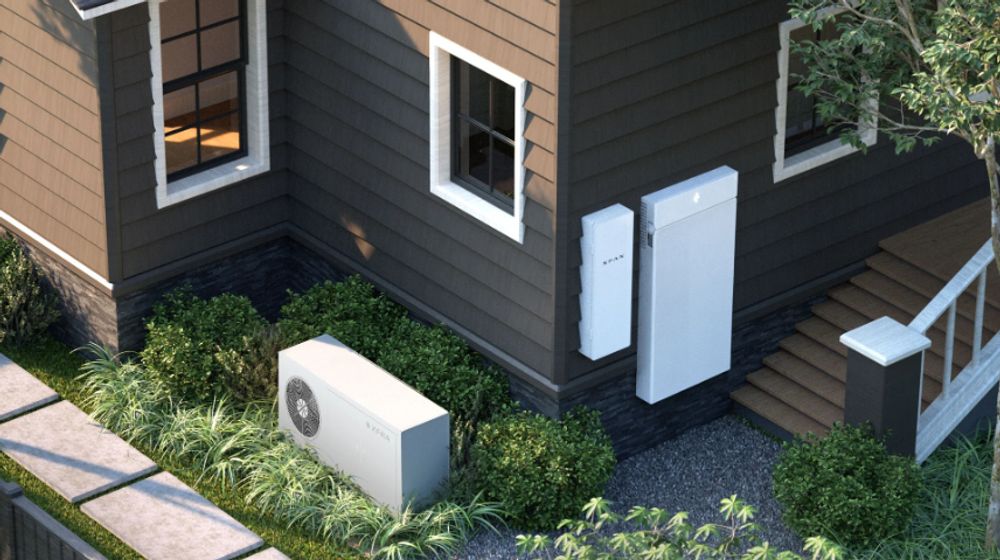
Nvidia's proposal to pay homeowners' electricity bills in exchange for hosting mini AI data centers in their backyards is one of the most interesting AI infrastructure ideas I've seen recently.
On paper, it sounds like a win for everyone. AI demand keeps growing, communities push back against massive data centers, and homeowners get compensated for unused power capacity.
But what caught my attention is the bigger trend.
For years, AI infrastructure has been moving toward larger and larger facilities. Now we're starting to see experiments that distribute compute closer to where people actually live and work.
The question is whether society will accept it.
Would you trade some noise, heat, and space in your backyard in exchange for lower bills and a role in powering the AI economy?
As AI adoption continues to accelerate, compute is becoming one of the world's most valuable resources. The companies that figure out how to deploy it efficiently may have an advantage that's just as important as building the next model.
Would you host one of these systems at your home?
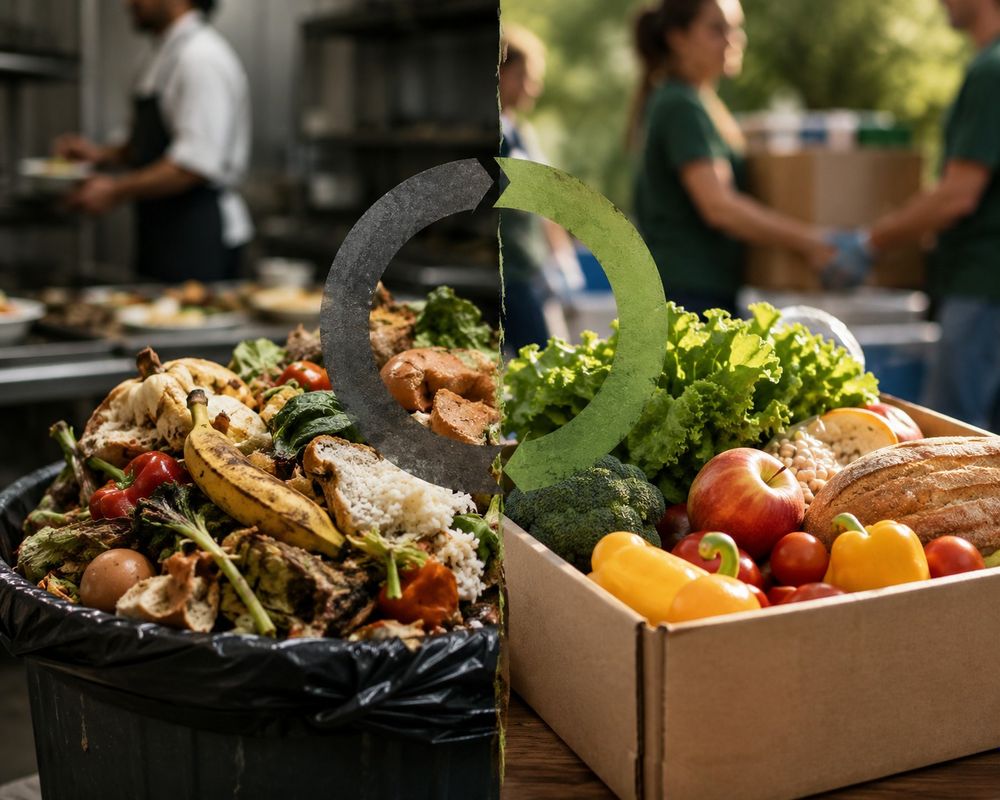
When did food waste stop being a sustainability issue and become a compliance issue?
Spain’s new Food Waste Law (Law 1/2025), which came into force this month, marks a significant shift in how food waste is regulated across the food chain.
For years, reducing food waste was largely seen as a sustainability goal. Now, it comes with legal obligations.
Food businesses must implement waste prevention plans, prioritize donations of surplus food, improve inventory management, and follow a clear hierarchy for handling unsold products. Restaurants must allow customers to take leftovers home at no extra cost, while supermarkets are encouraged to promote imperfect products and discount items approaching their expiry date.
What stands out to me is that the law goes beyond encouraging better practices. It actively changes incentives and responsibilities across the supply chain, with penalties reaching up to €500,000 for non-compliance.
Whether you agree with every aspect of the regulation or not, it reflects a broader trend: governments are increasingly treating food waste as an operational and regulatory challenge rather than simply an environmental one.
The question is whether legislation like this will become the norm across Europe.
Will regulation be the key driver of food waste reduction, or should the industry be able to solve this challenge without government intervention?
When war tensions rise, so does capital allocation.
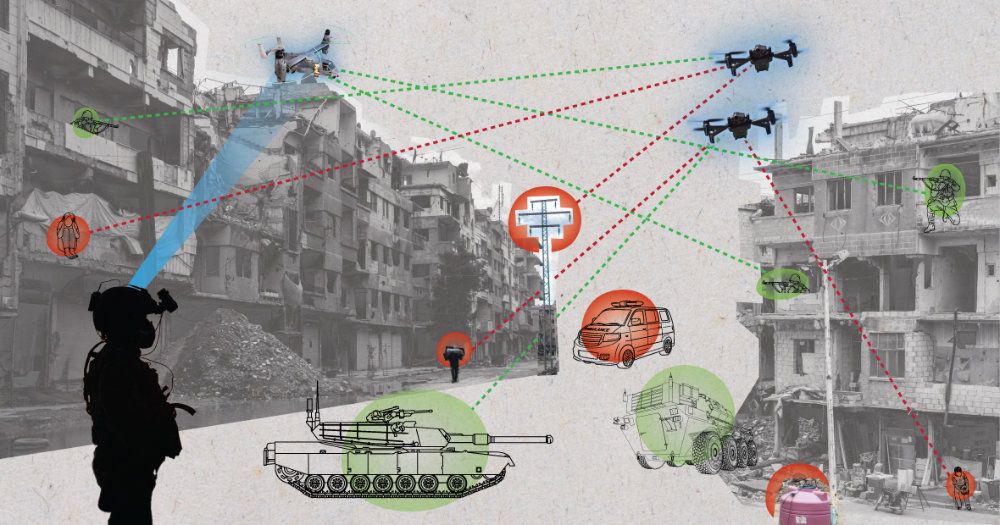
The Pentagon just asked for $54B to fund autonomous warfare systems, including AI-powered drones, robotic systems, and the so-called “Drone Dominance” program. That is not just a defense budget update. It is a signal.
Conflict has always accelerated technology, but AI is changing the scale and speed of that cycle. What used to take decades of military R&D can now move through software, models, and autonomous systems much faster.
And capital follows urgency.
The pattern is becoming hard to ignore: geopolitical instability increases, strategic risk rises, and investment floods into defense tech. Not because the ethical questions are solved, but because the strategic incentives are stronger than the governance frameworks.
That is what makes this moment different.
AI is no longer just a productivity or enterprise story. It is now deeply tied to national security, industrial policy, and military advantage.
And historically, when governments start spending at this scale, private capital tends to follow fast.
The uncomfortable reality is that some of the biggest accelerants for AI adoption may not come from enterprise demand, but from conflict.
Which raises a harder question:
Will the next major leap in AI be driven more by commercial innovation, or by military necessity?
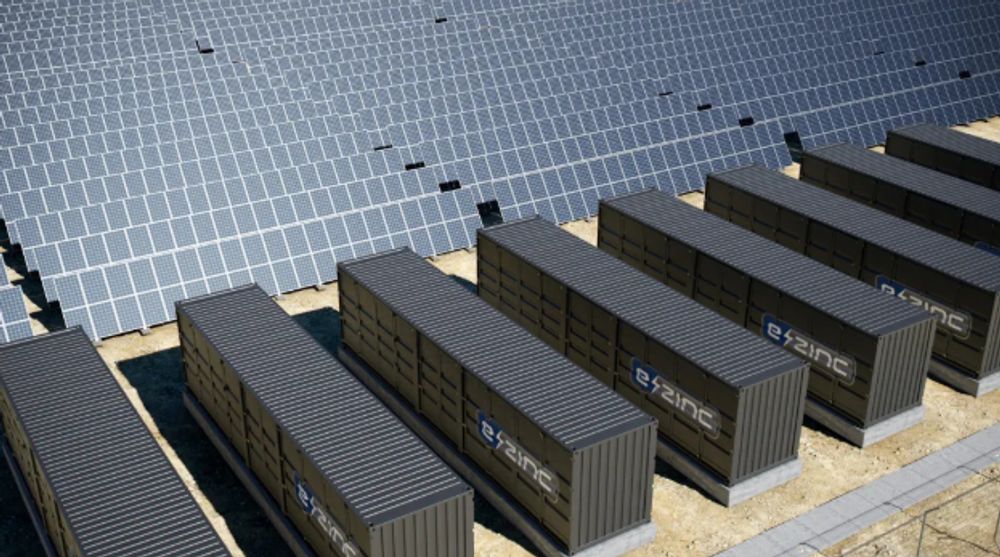
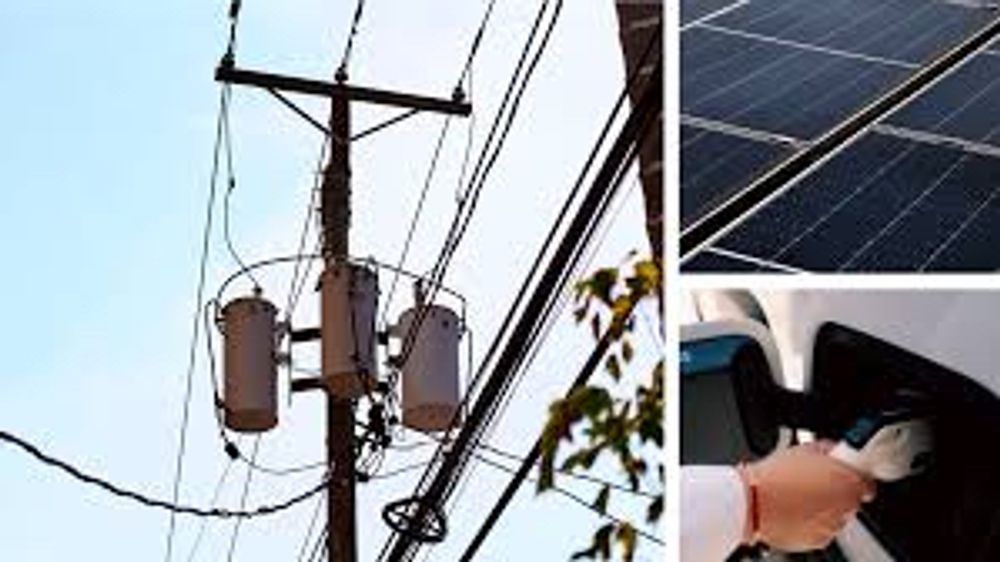
I came across a new report arguing that the future of grid resilience may not come from building more centralized infrastructure, but from finally treating distributed energy as core infrastructure.
What stood out is how much capacity already exists at the edge: rooftop solar, batteries, EVs, smart appliances, and flexible demand, and how little of it is actually treated as a real grid asset.
The technology is already here, adoption is already happening, and the economics are becoming harder to ignore. The real bottleneck is no longer deployment, but whether utilities and regulators are willing to treat distributed energy as system infrastructure rather than consumer-side add-ons.
That becomes much harder to dismiss when virtual power plants can deliver peak power at 40–60% of the cost of traditional grid investments, while also improving resilience and reducing pressure on aging infrastructure.
At that point, this stops being a climate argument and starts looking much more like a capital allocation and system design problem.
If distributed energy is already cheaper, faster to deploy, and more resilient than much of the infrastructure being proposed to replace it, what exactly are incumbent grid models still waiting for?
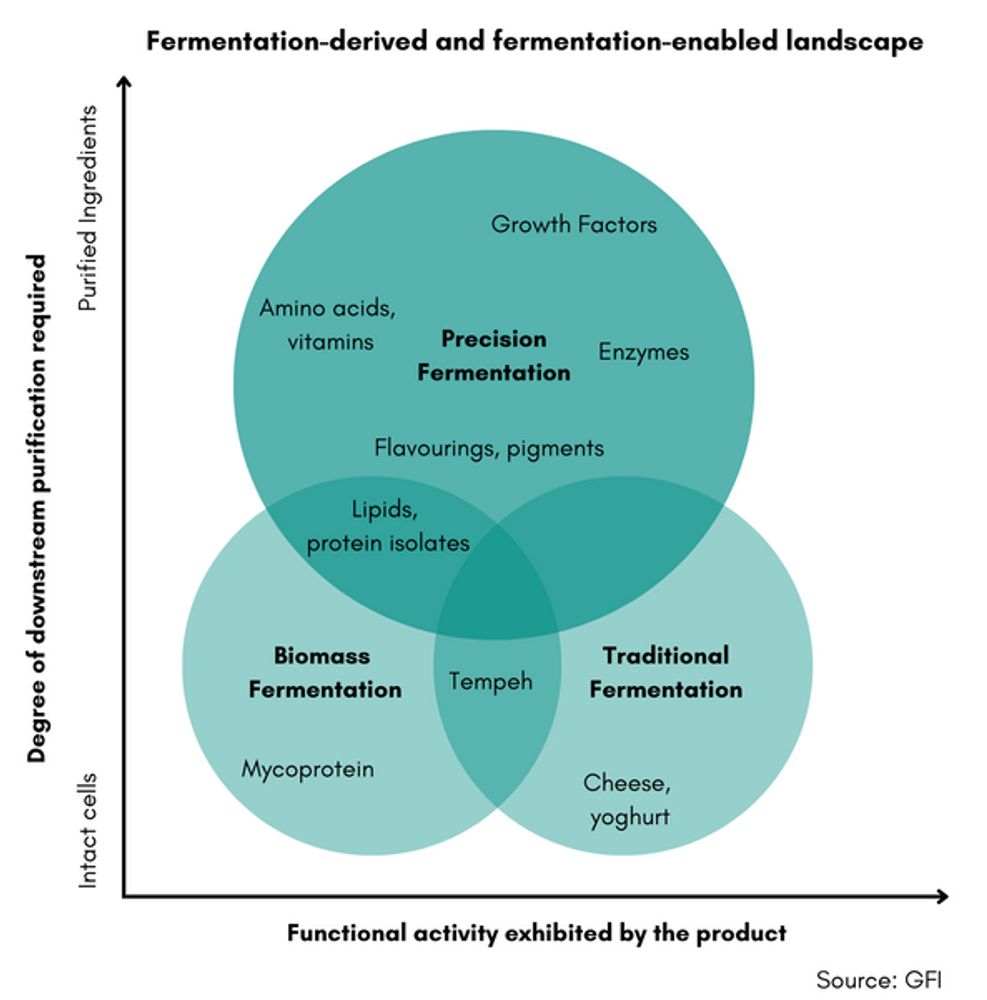
Precision and biomass fermentation may be two of the most commercially important food technologies to watch.
Continuing with the series on what could be on your plate by 2035, this category stands out because it may scale faster than most consumers realize.
Both rely on microorganisms such as yeast, fungi, or algae to produce food more efficiently than traditional agriculture, but they solve different problems. Precision fermentation uses microbes to produce specific ingredients like dairy proteins, fats, or enzymes, while biomass fermentation grows the microbial biomass itself as a protein source.
What makes this space so compelling is not just the science, but the economics behind it. The market is projected to grow from $6.9B in 2026 to $75.8B by 2035, driven by demand for animal-free proteins, advances in biotech, and the need for more efficient food systems.
Unlike many food technologies, fermentation does not always require consumers to change behavior. Precision fermentation can improve ingredients already used in familiar products, while biomass fermentation can create scalable protein with far less land, water, and time than conventional agriculture.
That may be what makes this category so commercially powerful. It can improve the food system underneath existing products while also creating entirely new protein sources.
Could fermentation become one of the most scalable food technologies simply because consumers may barely notice it?
Everyone is talking about AI compute, but very few are paying attention to the layer that will quietly determine how far this scaling can actually go: energy.
As AI systems become more powerful, the constraint is no longer just GPUs or model performance, but the ability to deliver and manage power efficiently inside data centers. Power density, heat, and conversion losses are becoming structural bottlenecks, not secondary considerations, and solving them is critical if current growth trajectories are meant to hold.
This is where companies like Navitas Semiconductor position themselves. Their focus on GaN technology is not just about incremental innovation, but about enabling more efficient power conversion in systems that are already operating near physical limits, reducing energy loss while improving performance per watt in increasingly demanding environments.
The market, however, seems to be pricing this future in ahead of execution, with high valuation multiples and profitability still projected years out. Which raises a more interesting question: are we looking at a genuinely underappreciated layer of AI infrastructure, or simply assigning value to a narrative that still needs to prove itself?
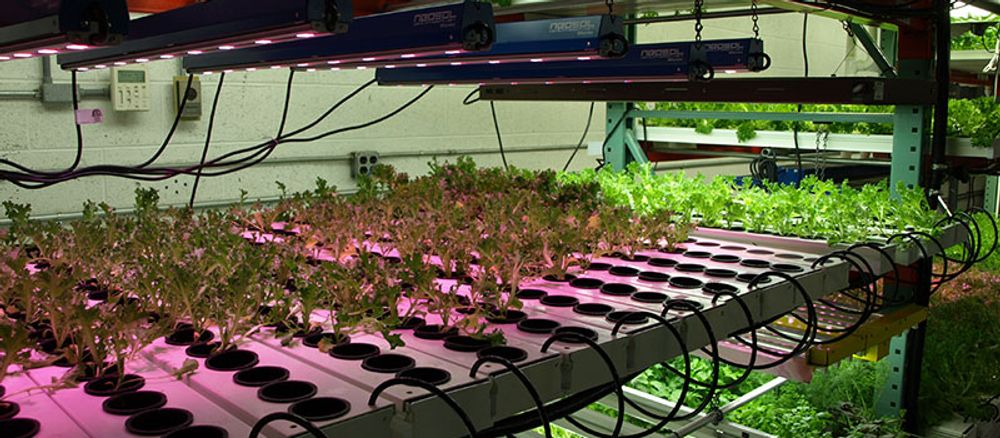
Controlled Environment Agriculture might be one of the most practical food innovations right now.
After my last post, Anne Newsome made a point that stayed with me, not just about scalability, but about the balance between innovation and staying connected to natural systems.
This week, I came across updates showing continued investment in vertical farming despite recent setbacks in the sector, which suggests that confidence in the model is still strong.
What makes CEA interesting is that it is not trying to reinvent food, but rather to control the environment around it in a more precise way.
It directly addresses several structural challenges, including growing food closer to urban populations, reducing dependency on weather conditions, improving the efficiency of water and nutrient use, and enabling consistent year-round production.
In regions facing climate pressure or limited arable land, this is not a futuristic concept but a practical solution.
At the same time, Anne’s point adds an important layer. While some food technologies push us further away from natural systems in the name of efficiency, CEA seems to sit somewhere in between by optimizing how plants grow rather than replacing or redesigning them.
The key uncertainty now is economic, particularly whether these systems can compete on cost at scale and move beyond premium markets into broader adoption.
Do you see CEA becoming a core part of urban food systems, or remaining a niche solution?