When war tensions rise, so does capital allocation.
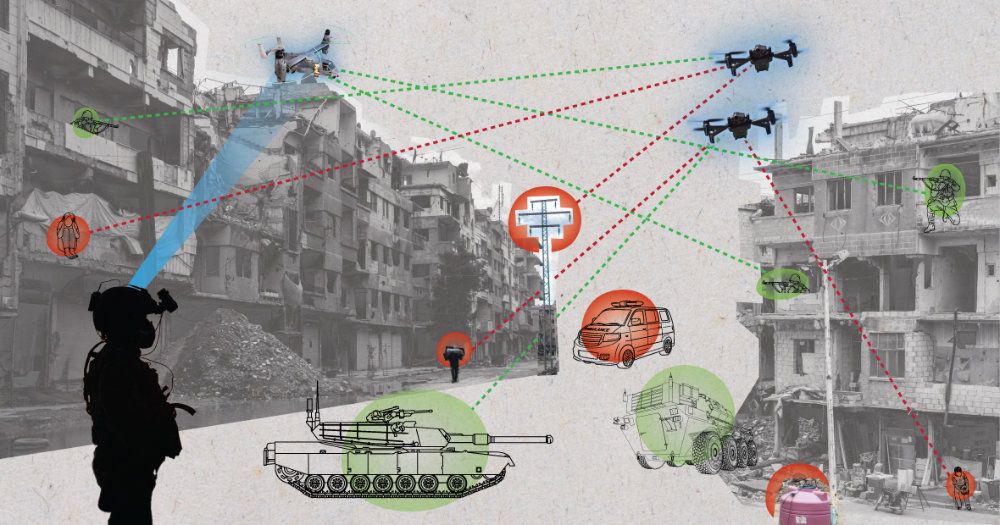
The Pentagon just asked for $54B to fund autonomous warfare systems, including AI-powered drones, robotic systems, and the so-called “Drone Dominance” program. That is not just a defense budget update. It is a signal.
Conflict has always accelerated technology, but AI is changing the scale and speed of that cycle. What used to take decades of military R&D can now move through software, models, and autonomous systems much faster.
And capital follows urgency.
The pattern is becoming hard to ignore: geopolitical instability increases, strategic risk rises, and investment floods into defense tech. Not because the ethical questions are solved, but because the strategic incentives are stronger than the governance frameworks.
That is what makes this moment different.
AI is no longer just a productivity or enterprise story. It is now deeply tied to national security, industrial policy, and military advantage.
And historically, when governments start spending at this scale, private capital tends to follow fast.
The uncomfortable reality is that some of the biggest accelerants for AI adoption may not come from enterprise demand, but from conflict.
Which raises a harder question:
Will the next major leap in AI be driven more by commercial innovation, or by military necessity?