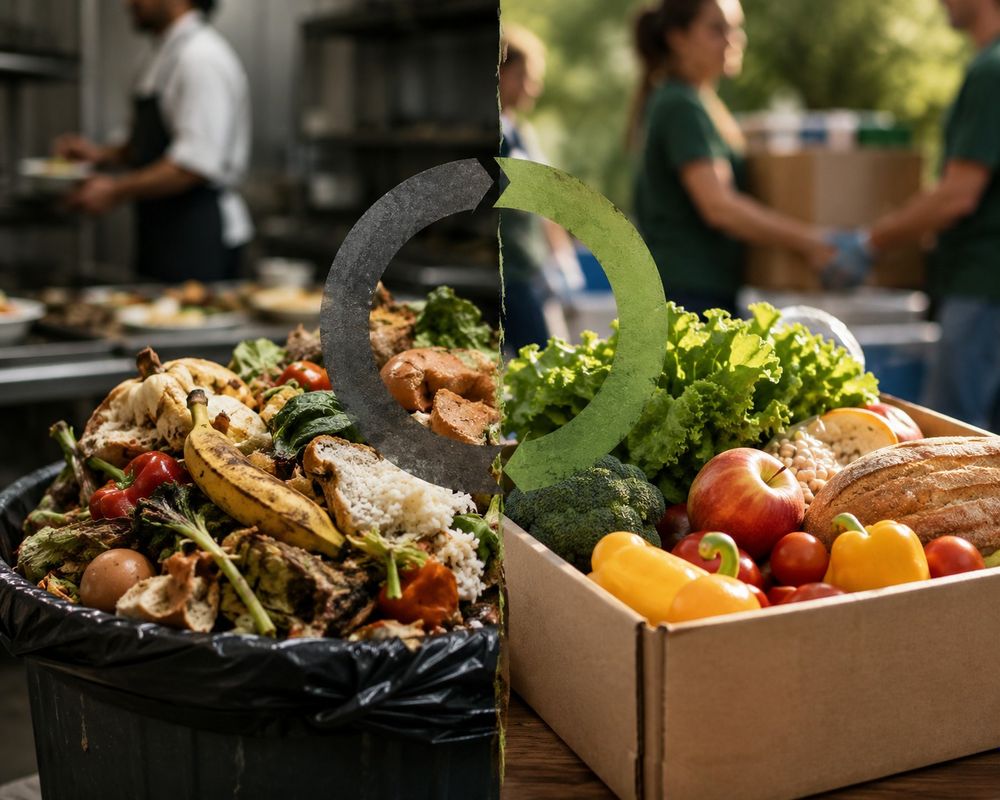
When did food waste stop being a sustainability issue and become a compliance issue?
Spain’s new Food Waste Law (Law 1/2025), which came into force this month, marks a significant shift in how food waste is regulated across the food chain.
For years, reducing food waste was largely seen as a sustainability goal. Now, it comes with legal obligations.
Food businesses must implement waste prevention plans, prioritize donations of surplus food, improve inventory management, and follow a clear hierarchy for handling unsold products. Restaurants must allow customers to take leftovers home at no extra cost, while supermarkets are encouraged to promote imperfect products and discount items approaching their expiry date.
What stands out to me is that the law goes beyond encouraging better practices. It actively changes incentives and responsibilities across the supply chain, with penalties reaching up to €500,000 for non-compliance.
Whether you agree with every aspect of the regulation or not, it reflects a broader trend: governments are increasingly treating food waste as an operational and regulatory challenge rather than simply an environmental one.
The question is whether legislation like this will become the norm across Europe.
Will regulation be the key driver of food waste reduction, or should the industry be able to solve this challenge without government intervention?