The dominant approach to making AI more capable has been to scale it: more parameters, more compute, more energy.
But a Tufts research group recently took the opposite route. Their neuro-symbolic system, which pairs neural networks with structured reasoning, cut energy consumption by a factor of 100 on robotic manipulation tasks while actually improving accuracy.
What makes this interesting isn't just the efficiency gain. It's just as much that the result challenges a fairly embedded assumption in AI development, that performance scales with compute. The neuro-symbolic approach suggests that for certain structured tasks, the architecture matters more than the size. Which again suggests that brute-force pattern matching isn't always the most intelligent path to intelligence.
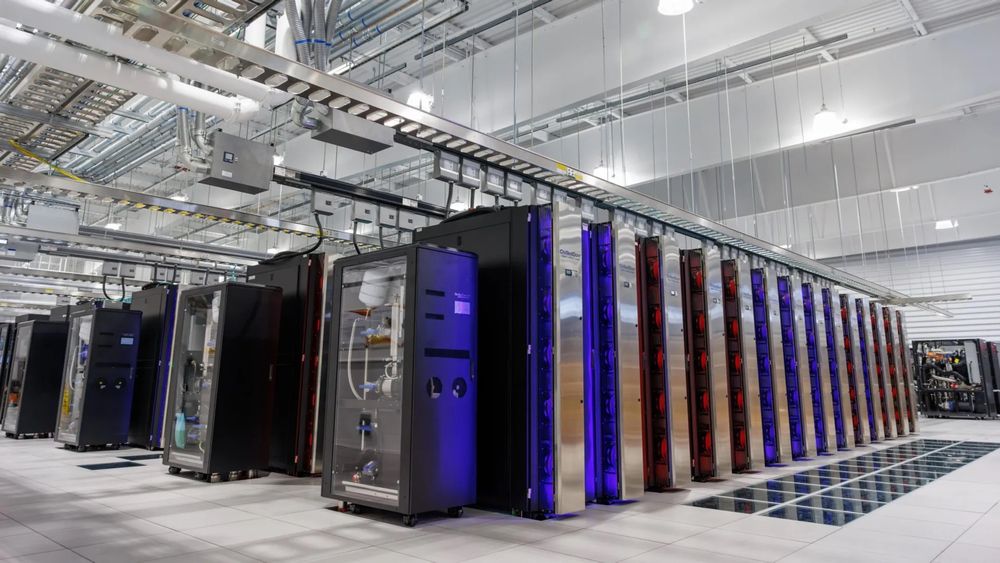
AI already consumes over 10% of U.S. electricity, and the share is still growing. If efficiency breakthroughs like this hold up across domains, the investment logic around AI infrastructure might start to look rather different
www.sciencedaily.com/releases/202...