Precision agriculture is widely pitched as sustainable, but the evidence base seems thinner than the investment thesis suggests.
Billions are flowing into AgriTech on the premise that precision tools, including drones, AI monitoring, and sensor-driven input management, reduce environmental impact.
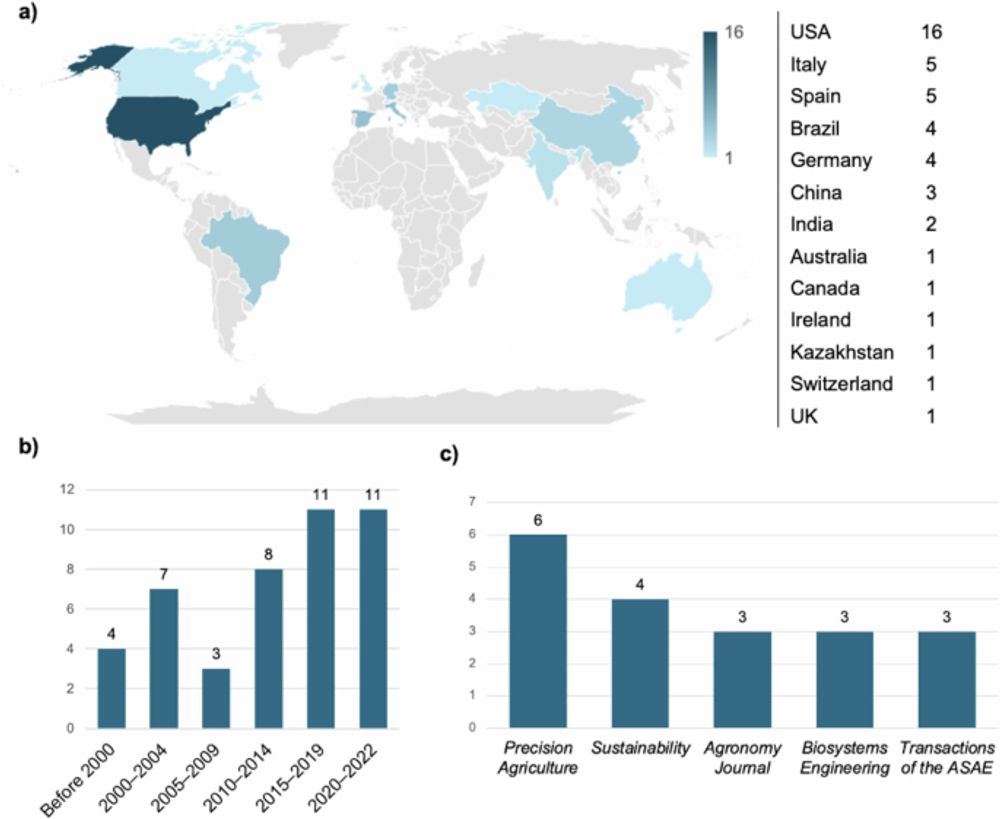
A recent review in npj Sustainable Agriculture found that the core claims, reduced fertilizer, pesticide, and water use, remain largely untested or unsupported by evidence. A separate analysis found that pesticide and fertilizer use have actually increased since precision agriculture began scaling.
This matters because, from my perspective, the sustainability narrative is often central to how these technologies are positioned to investors and policymakers. The latest Farm Bill draft would even allow precision agriculture to qualify as conservation measures, with the government covering up to 90% of costs.
The technology may well deliver on its environmental promise eventually, but the gap between the marketing and the evidence is worth paying more attention to, particularly as public subsidies start flowing on the basis of claims that haven't been rigorously validated yet
www.nature.com/articles/s44...