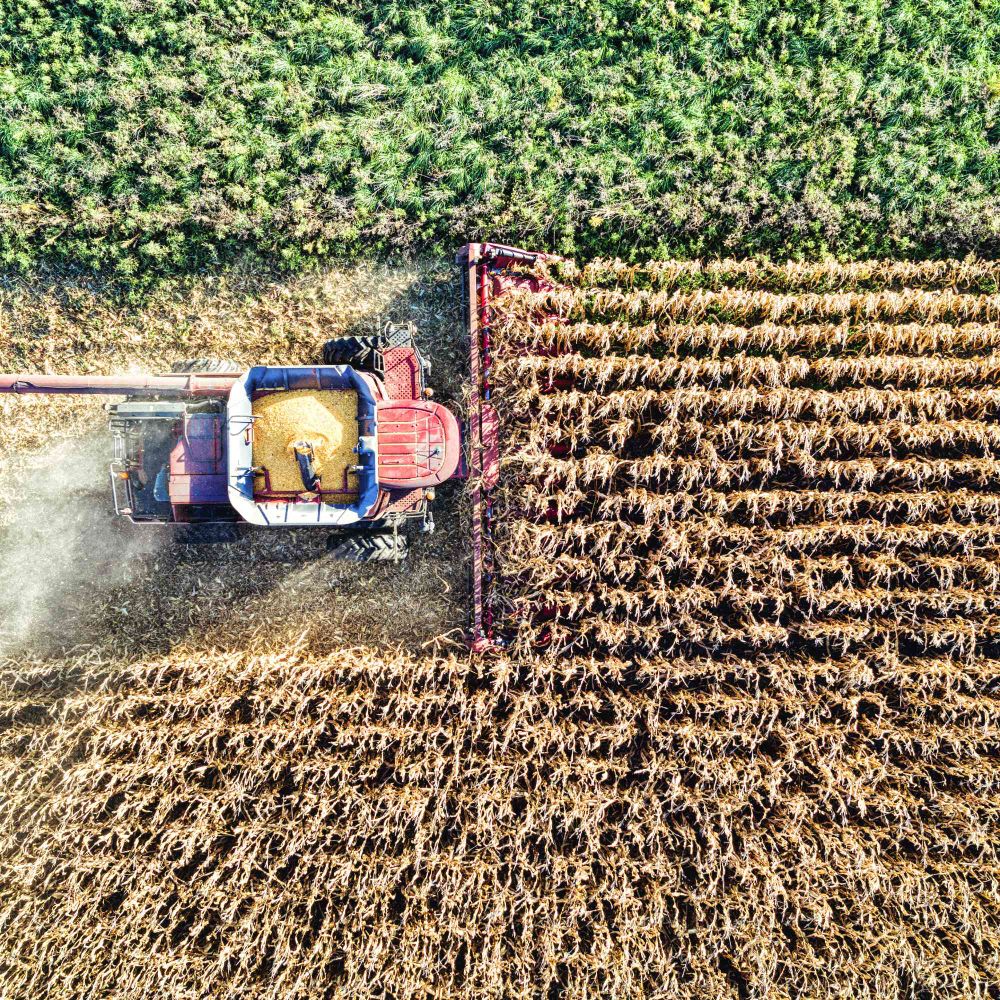
One area in circularity that feels underused is agricultural waste.
Globally, we generate around 5–6 billion tonnes of residues every year, including rice husks, wheat straw, corn stover, and bagasse.
A lot of it is still burned or left to decompose. In places like India, crop burning alone has a major impact on seasonal air pollution.
From a recycling perspective, this is a huge, underutilized waste stream.
Instead of being recovered, it’s mostly lost, while we continue extracting new materials for panels, fibers, and packaging.
Some companies are starting to close that loop:
• Ricehouse is creating building materials from rice husk
• Biohm is developing insulation from agricultural by-products
• Made of Air is producing carbon-negative materials from biomass
• Paptic is building fiber-based alternatives to plastic packaging
The resource is massive, but the challenge isn’t availability. It’s the system.
Agricultural waste is seasonal, spread out, and inconsistent in quality, which makes collection and standardization difficult at scale.
Curious to hear your take:
Should agricultural residues be treated as part of recycling systems, or as a separate material stream altogether?