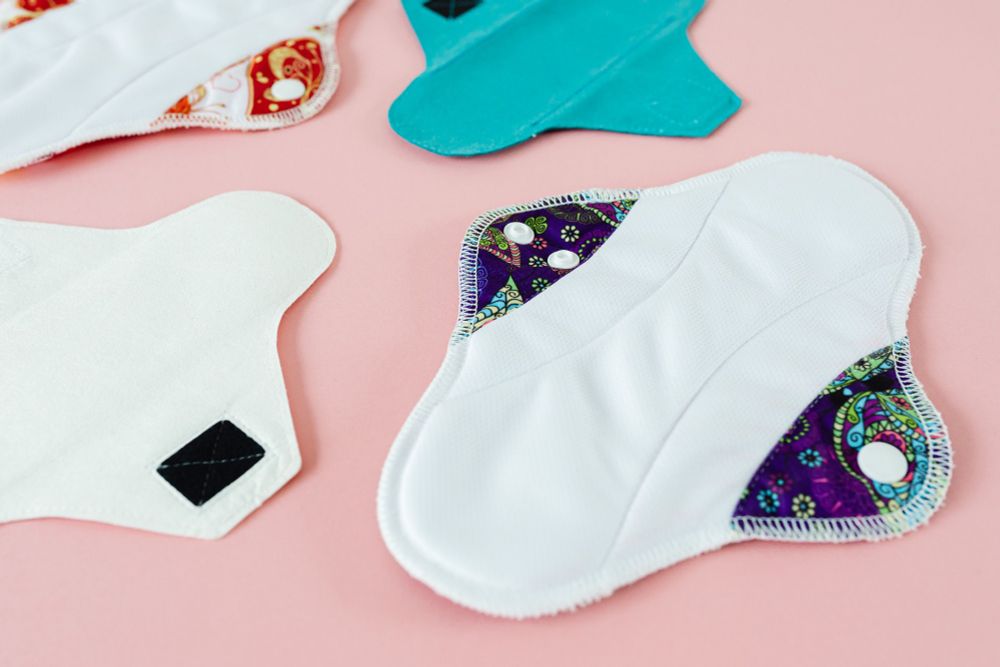
During a discussion on menstrual hygiene, I suggested promoting reusable cloth pads in low-resource communities. They seemed like a sustainable, affordable option. Then someone who had worked closely with these communities shared a perspective I hadn't fully considered.
The issue wasn't the reusable pad itself. It was whether women had consistent access to clean water, soap, privacy, and adequate sunlight to wash, dry, and store the pads hygienically. In some communities, menstrual stigma can also make drying reusable pads openly in the sun difficult.
That conversation reminded me that a good intervention isn't just one that works in theory, it's one that works in the real lives of the people it's meant to serve.
Sustainability, affordability, dignity, and practicality all matter. Public health solutions are most effective when they're designed around the realities of the community, not just the ideal scenario.
What are your thoughts? How do we balance environmental sustainability with safe, practical menstrual hygiene in resource-limited settings?
Image source: Pexels