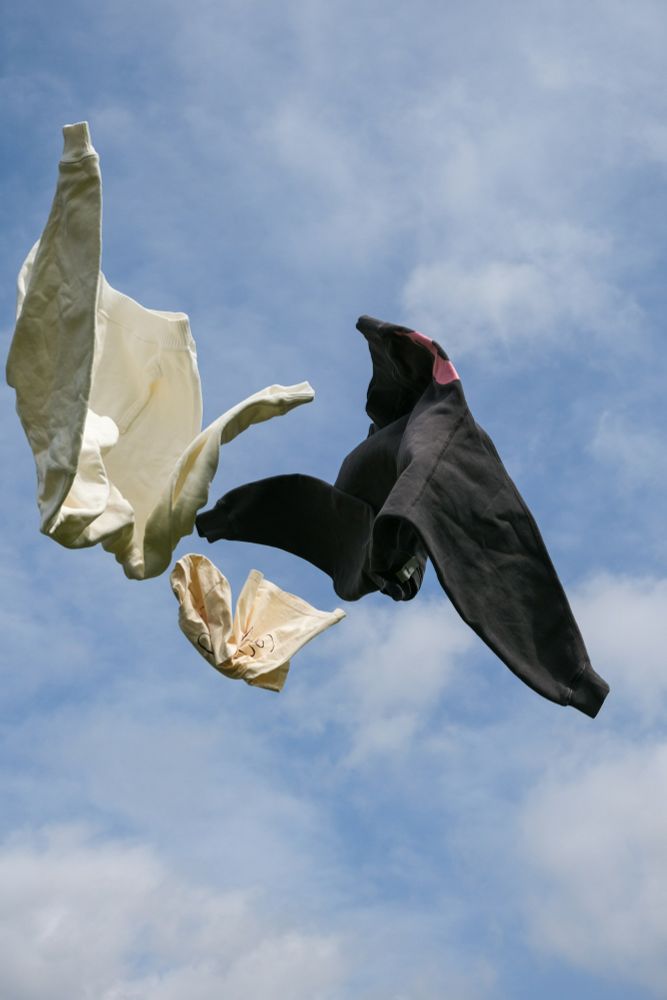
Every year, the fashion industry creates 92 million tons of textile waste.
Most of this waste ends up in landfills. It’s not that people don’t care; it’s just that buying new clothes is cheaper and easier than making thoughtful choices.
Fast fashion brands release up to 52 micro-collections per year. That’s not design. That’s a machine built to make you feel like what you own is already outdated.
In Denmark, I’ve seen another approach succeed. Shops like LeLop in Copenhagen show that secondhand fashion can be high-quality, carefully chosen, and appealing. It isn’t just a compromise.
A COS leather bag at a fraction of the price. A linen shirt that was made to last — and did. These aren’t second-best options. They’re first choices made with intention.
Circularity in fashion isn’t about sacrifice. It’s about redesigning what “new” means.
The clothes already exist. Billions of them. The question is whether we build systems that keep them in use or keep producing more.
When did you last buy something second-hand — and what made you choose it?