Recent posts
The Protein on Your Plate Is About to Change
Not because of a trend. Because the math no longer works.
Think about that for a second. Livestock takes up nearly 80% of global agricultural land — and produces less than 20% of the world’s calories. We’ve built an entire food system around that trade-off. And quietly, it’s becoming unsustainable.
Europe’s protein supply is under pressure from all directions at once — climate extremes, geopolitical instability, and a growing population that needs feeding differently. The answer isn’t to eat less. It’s time to think differently about what protein actually is.
Five alternatives are already developing across Europe: plant-based substitutes, lab-grown meat, fermentation products, edible insects, and algae. Some sound familiar. Some still feel strange. But none of them are experimental anymore.
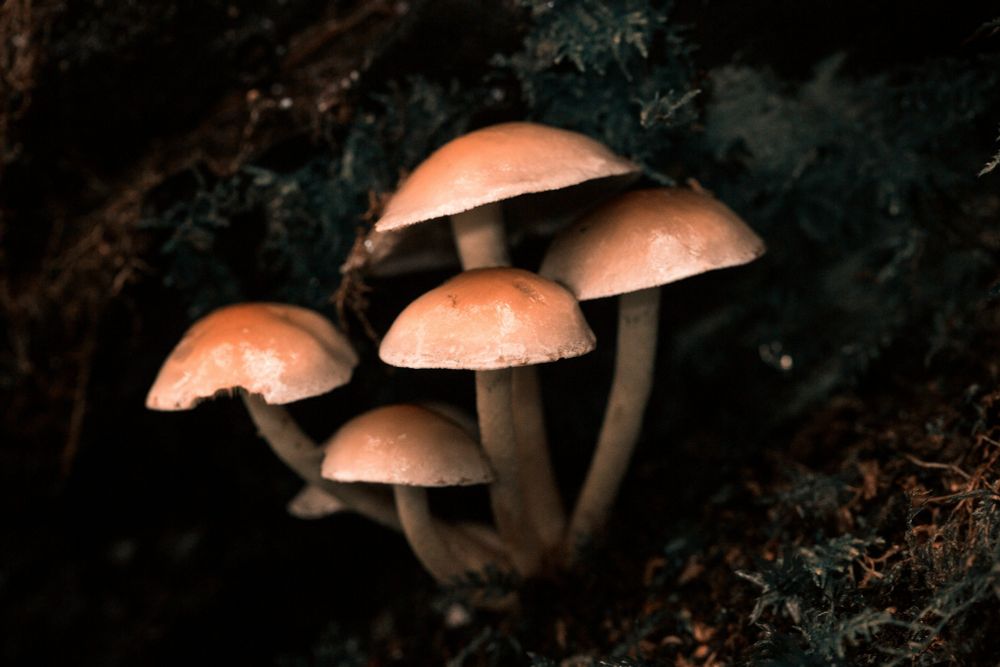
Denmark is already doing the work. At the Technical University of Denmark, researchers are growing fungi — oyster mushroom mycelium — as a replacement for meat and seafood. Not in a pitch deck. In an actual lab, with real results.
And consumers are more open than the headlines suggest. Around half of European consumers said they’d try precision fermentation dairy or eggs — if someone handed it to them first. The hesitation isn’t fear. It’s just unfamiliarity. That’s solvable.
The transition won’t happen overnight. But the direction is clear.
If it tasted exactly the same, would you need to know what it was made of?
Denmark Recycles Almost Everything — Except Plastic
Walk through any Danish supermarket, and you’ll notice it immediately. Neat deposit stations for bottles. Colour-coded bins at every corner. A culture that takes waste seriously.
And yet, something is quietly failing.
While Denmark exceeded the EU’s 2025 packaging recycling target — hitting 65% across glass, paper, and metal — plastic packaging sits at just 23%. The lowest of all materials. In one of Europe’s greenest countries.
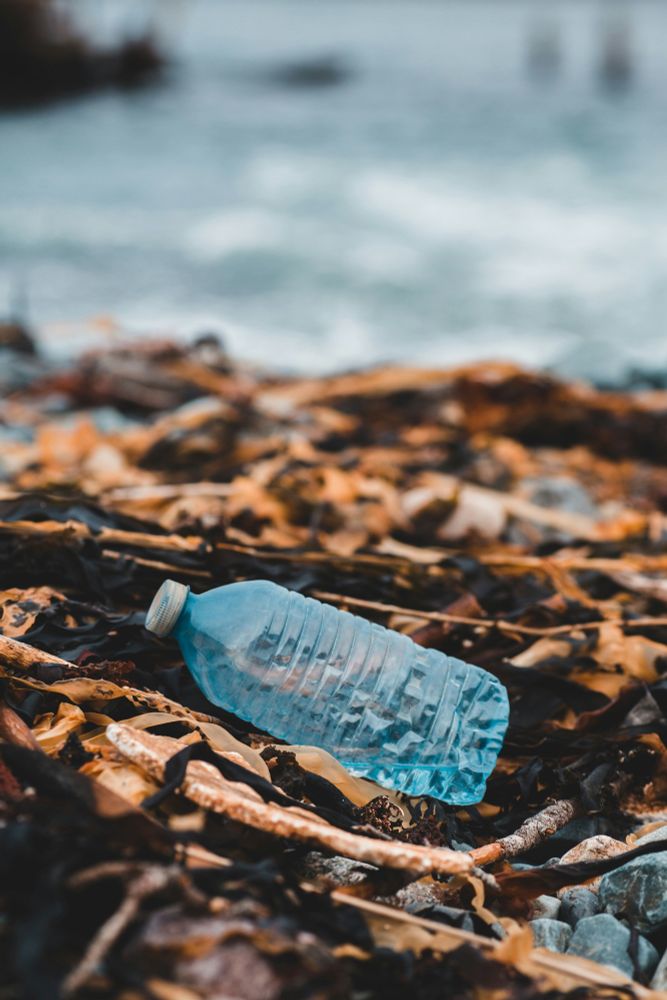
The problem isn’t political will. Its complexity. Plastic is not one thing — it’s dozens of polymer types, layered, coloured, contaminated. The bin exists. The system to process what goes in it, until recently, didn’t.
In June 2024, ReSource Denmark opened a facility designed to handle 160,000 metric tonnes of plastic waste per year — a genuine breakthrough after more than a decade of bottlenecks. The national Action Plan targets an 80% reduction in incinerated plastic by 2030.
The infrastructure is finally catching up to the ambition.
But sorting better is only half the answer. The other half starts at the design table — before the packaging even exists.
Can we design plastic out of the problem entirely — or are we always just managing the mess?
Two patients. Same diagnosis. Same drug. One gets better. The other doesn't respond at all.
It sounds like a rare case. It's not. It's actually pretty common.
Medicine, for the most part, has always worked with averages. What helps the majority? What works on paper. But bodies don't work on paper — yours processes medication differently than mine, and differently again from the person sitting next to you. Genes play a role. So does gut health, stress, sleep, a dozen other things we're only starting to measure properly.
AI is starting to change this. Slowly, but it's happening.
Machine learning can now go through thousands of biological variables and give a prediction — how will this specific person respond to this specific drug? Not after the side effects hit. Not after the second failed prescription. Before any of that.
Tempus and Recursion Pharmaceuticals are already doing this in cancer care, where there's no time to guess.
Denmark sits in an interesting position here. The Danish National Patient Registry has data on over 8 million people going back decades — one of the richest health datasets anywhere. Researchers at DTU and the University of Copenhagen are working on what becomes possible when AI meets that kind of data. Something that actually fits you, not just most people.
We're not there yet. But honestly, we're closer than I expected.
Would you trust an AI to choose your medication — or does that feel like a step too far?
The Quiet Revolution: How Danish Farmers Are Growing Tomorrow’s Protein
Walk into a Copenhagen supermarket today. One in four shoppers is looking for plant-based alternatives. Not because they’ve gone vegan. Because they care about what they eat and what it costs the planet.
This shift is real. Denmark’s plant-based market has grown 46% in volume since 2018. By 2027, it’ll be worth €65 million.
But here’s the problem nobody talks about. Peas and fava beans don’t grow themselves. Traditional farming methods waste water, over-fertilize, and still produce unpredictable yields. A farmer in Jutland can’t easily compete if she’s running blind.
Then came the sensors.
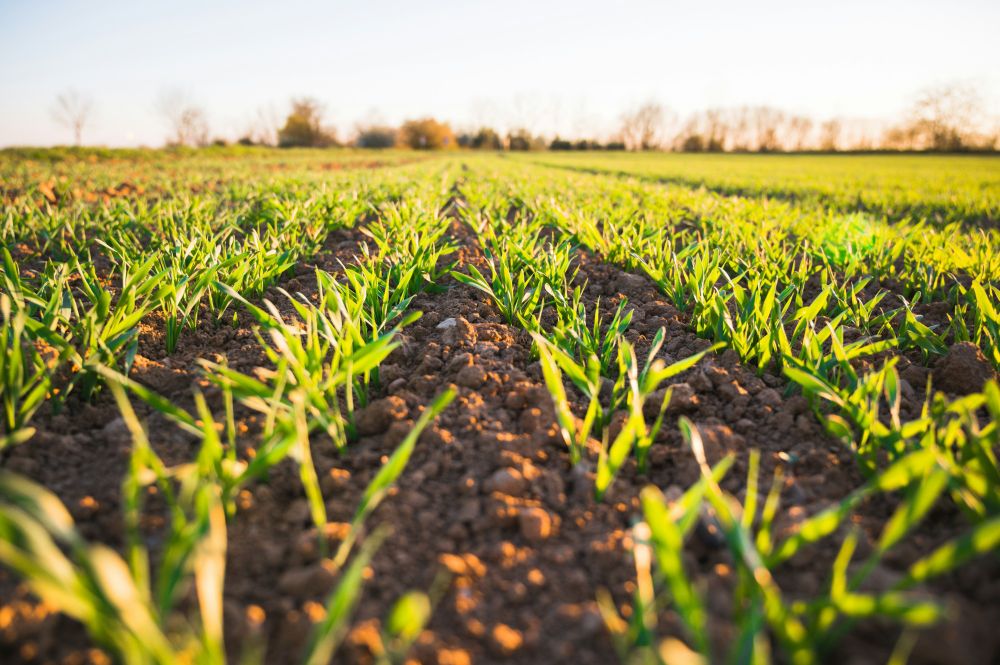
Small devices planted in fields now whisper real-time data—soil moisture, nutrient levels, temperature. Drones fly overhead, mapping which patches need water and which don’t. Machine learning algorithms learn from years of data and tell farmers what to do next.
It sounds technical. It’s actually just common sense made digital.
Companies like Organic Plant Protein figured this out early. They’re working with local growers to turn precision-farmed peas into meat-like proteins. Their researchers are experimenting with hemp and quinoa, too, trying to nail the amino acid profile people actually want.
24% of Danes call themselves flexitarians. They’re waiting for food that tastes good, doesn’t break the bank, and aligns with their values.
Precision farming makes that possible.
How many farmers near you know precision tech can change their bottom line?
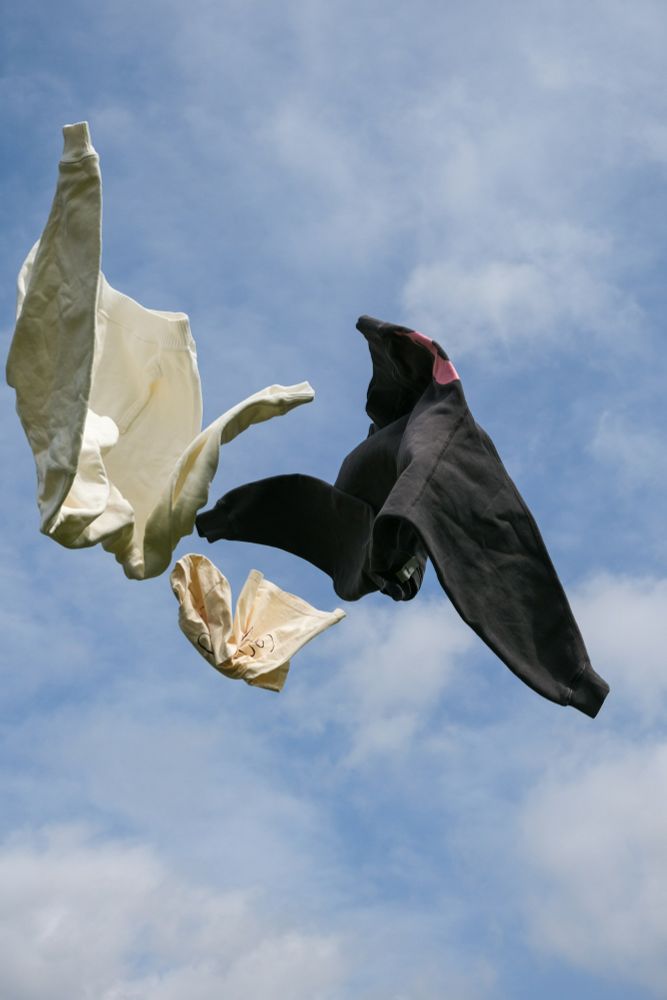
Every year, the fashion industry creates 92 million tons of textile waste.
Most of this waste ends up in landfills. It’s not that people don’t care; it’s just that buying new clothes is cheaper and easier than making thoughtful choices.
Fast fashion brands release up to 52 micro-collections per year. That’s not design. That’s a machine built to make you feel like what you own is already outdated.
In Denmark, I’ve seen another approach succeed. Shops like LeLop in Copenhagen show that secondhand fashion can be high-quality, carefully chosen, and appealing. It isn’t just a compromise.
A COS leather bag at a fraction of the price. A linen shirt that was made to last — and did. These aren’t second-best options. They’re first choices made with intention.
Circularity in fashion isn’t about sacrifice. It’s about redesigning what “new” means.
The clothes already exist. Billions of them. The question is whether we build systems that keep them in use or keep producing more.
When did you last buy something second-hand — and what made you choose it?
There’s no “best AI”. There’s the right one for you.
I get this question a lot: Which AI tool should I be using?
And honestly, it’s the wrong starting point.
I’ve watched teams spend weeks debating ChatGPT vs. Claude vs. Gemini — then pick based on what someone saw on LinkedIn. Three months later, half the team stopped using it.
The tool wasn’t the problem. The fit was.
MIT’s NANDA initiative found that 95% of enterprise AI pilots fail to deliver measurable impact. Not because the technology is broken, but because most companies choose a tool before understanding what they actually need it to do
Before choosing, ask yourself: Am I writing, analyzing, automating, or deciding? Do I need this to work on its own or within a larger system? Is my data sensitive?
A founder juggling ten priorities needs a different answer than a researcher buried in reports.
There’s no universal winner. There’s just the one that matches how you actually work — and that your team will open tomorrow morning without being asked.
👉 What made you stick with the AI tool you’re using now?
Denmark didn't plan to lead the world in fish farming. It was forced to.
In the 1990s, strict environmental laws banned traditional fish farms from expanding.
Too much water use. Too much pollution.
So Danish companies did what they do best.
They found another way.
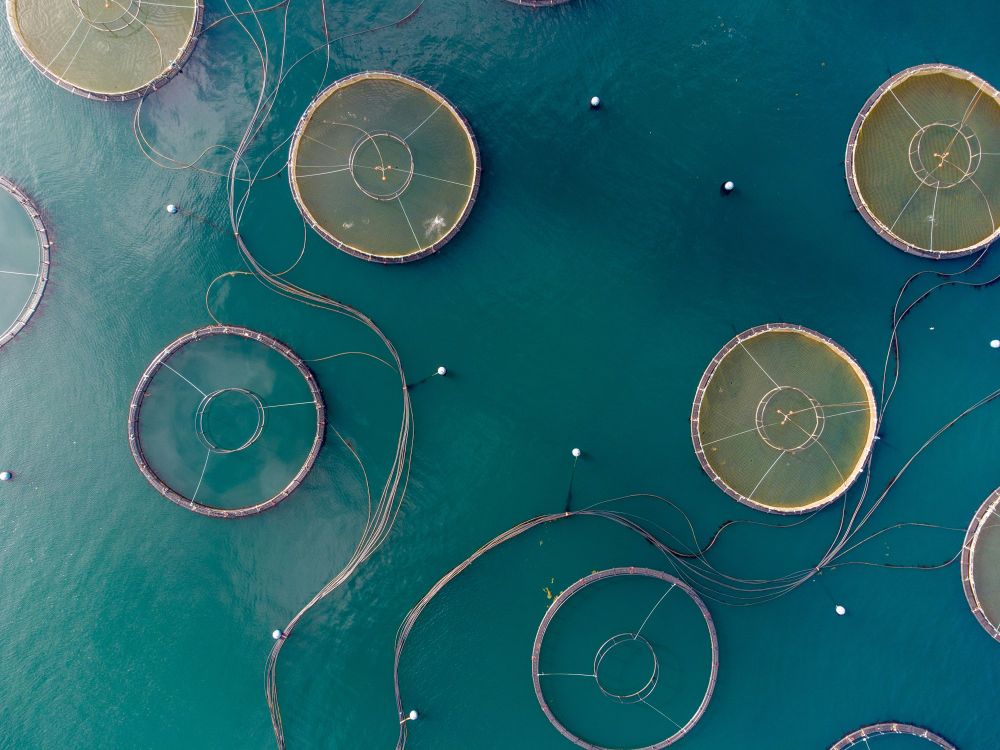
They invented RAS — Recirculating Aquaculture Systems.
Closed-loop fish farms that reuse up to 99% of their water.
No open sea. No pollution. Full control.
Today, Denmark has around 200 farms producing 56,000 tonnes of farmed fish per year.
But the real export isn't fish.
The export value of Danish aquaculture technology and equipment has reached DKK 5-6 billion per year.
The constraint became the product.
And Musholm A/S just became the first aquaculture company in the world to pilot Science Based Targets for Nature.
Denmark isn't just farming fish.
It's building the blueprint for sustainable aquaculture — and selling it to the world.
What other industries do you think could benefit from this "constraint-first" approach to innovation?
Every week, tons of carrots never leave the farm. Not because they're bad. Because they're crooked.
Supermarkets have standards.
Consumers have expectations.
And perfectly good food pays the price.
This is the paradox nobody talks about enough.
We have a food waste crisis.
And we're throwing away food that was never even given a chance.
Denmark decided to do something about it.
Over 5 years, the country reduced its food waste by 25%, becoming the EU leader in waste reduction.
Not with one big solution. With many small ones.
Supermarkets like REMA 1000 eliminated bulk discounts that pushed people to overbuy.
Stores opened dedicated sections for food near its best-by date — sold at lower prices.
WeFood, a charity store concept in Copenhagen, sells perfectly edible but “unsellable” groceries. It became so popular that it opened two more locations.
And yes — wonky vegetables finally got a market.
It’s not a perfect system.
But it proves one thing: The problem was never the crooked carrot.
It was always the standard we built around it.
We don’t need perfect food.
We need a smarter and better definition of value.
What would it take for your supermarket and for you to see value in imperfect food?