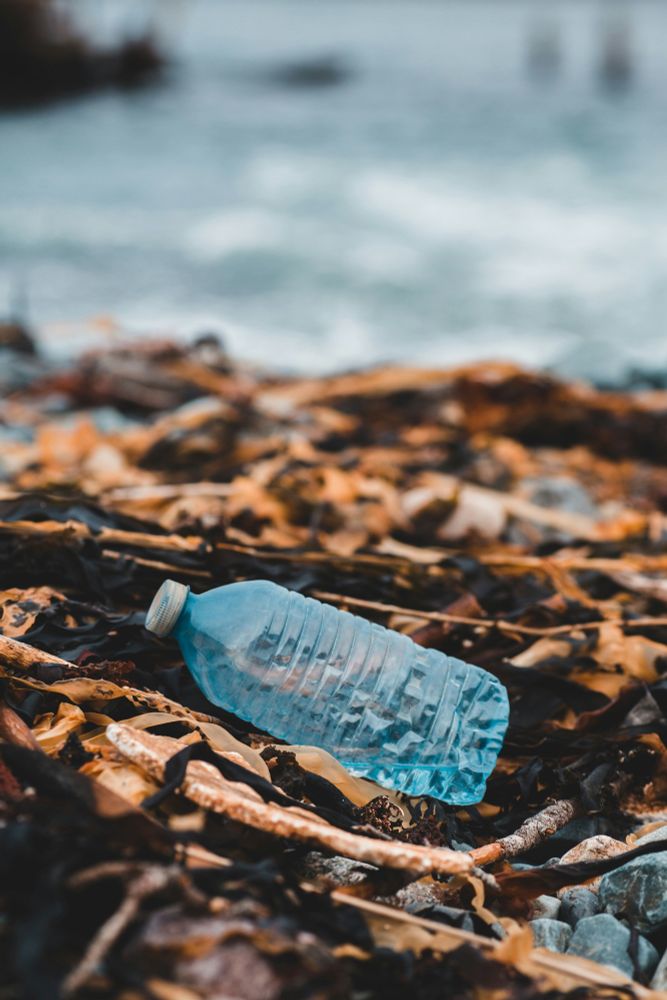
Denmark Recycles Almost Everything — Except Plastic
Walk through any Danish supermarket, and you’ll notice it immediately. Neat deposit stations for bottles. Colour-coded bins at every corner. A culture that takes waste seriously.
And yet, something is quietly failing.
While Denmark exceeded the EU’s 2025 packaging recycling target — hitting 65% across glass, paper, and metal — plastic packaging sits at just 23%. The lowest of all materials. In one of Europe’s greenest countries.
The problem isn’t political will. Its complexity. Plastic is not one thing — it’s dozens of polymer types, layered, coloured, contaminated. The bin exists. The system to process what goes in it, until recently, didn’t.
In June 2024, ReSource Denmark opened a facility designed to handle 160,000 metric tonnes of plastic waste per year — a genuine breakthrough after more than a decade of bottlenecks. The national Action Plan targets an 80% reduction in incinerated plastic by 2030.
The infrastructure is finally catching up to the ambition.
But sorting better is only half the answer. The other half starts at the design table — before the packaging even exists.
Can we design plastic out of the problem entirely — or are we always just managing the mess?