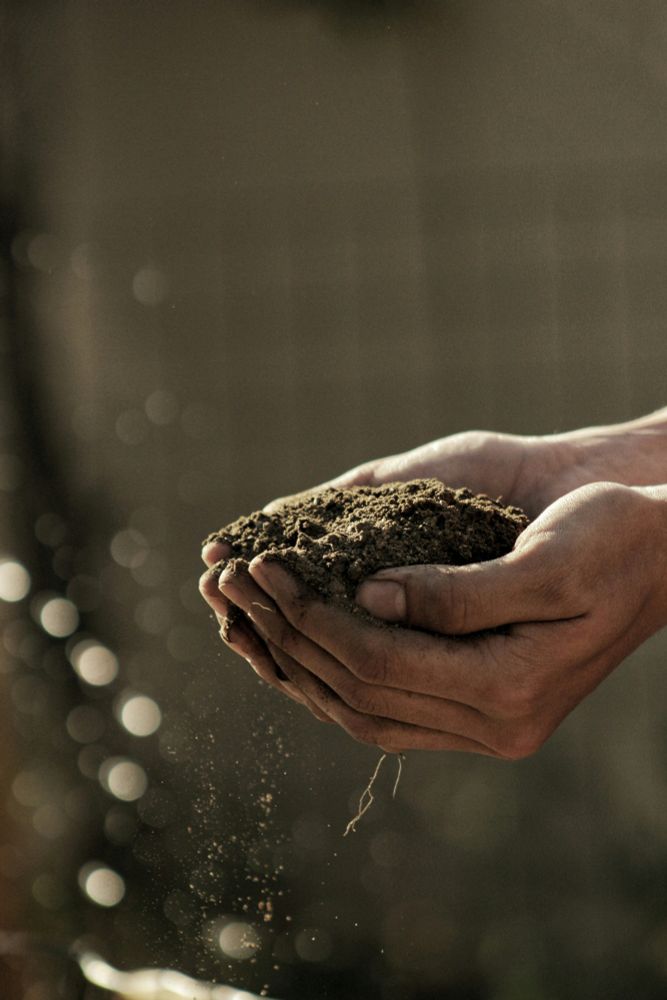
Regenerative farming was a promise. Now it has proof.
Farmers stopped tilling. Planted cover crops. Let nature do more of the work. They were told they were taking a risk.
For a long time, the science wasn't there to back them up.
Now it is.
A two-year study in Catalonia, Spain. Four real farms. Vegetables, vineyards, fruit trees, and grazing cows. Different regions. Different crops.
Same conclusion across all of them.
Regenerative soil stored up to 35% more carbon than conventional plots next door. It absorbed more water. It hosted more wildlife. The food grown in it had higher levels of minerals and antioxidants.
Not greenhouse experiments. Working farms. Real harvests. Real soil samples.
The practices aren't new or complicated. No-till farming. Cover crops. Crop rotation. Letting animals graze between harvests. Methods that have existed for generations.
They just weren't measured properly against the industrial alternative. Until now.
Proof is replacing promise. The conversation is shifting, too. Not just "is this better for the planet?" But "is this better for the farm?"
Turns out, it might be both.
If regenerative farming works this well, what's been stopping us from scaling it sooner?