I recently read The Rise of Inclusive Recycling in Latin America, a story published last June by Global Voices, a citizen journalism outlet I collaborate with: globalvoices.org/2026/06/12/t...
The report (co-written by Gabriela Mesones Rojo and Kelly Chaib De Mares) explores how informal recycling goes beyond environmental benefits. It can be a socioeconomic safety net for millions across Latin America.
What can we learn about Inclusive Recycling? What possibilities it entails for entrepreneurship?
This very inspiring story teaches us:
- Despite Latam's low formal recycling rate of around 4%, an estimated two million informal workers form the backbone of urban waste recovery.
- It can be a lifeline for migrant populations (Venezuelan diaspora members in Colombia)
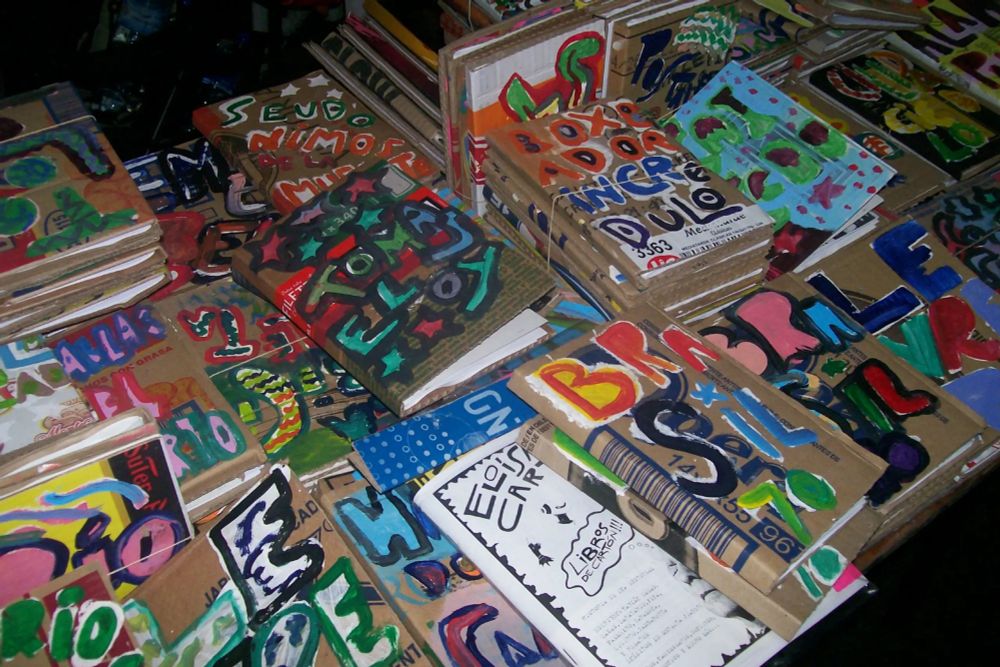
- It can be the base for creative industries. This is the case of Eloísa Cartonera, an independent publishing project in Argentina that buys cardboard at fair prices from cartoneros (often unhoused individuals) to craft uniquely hand-painted books.
- It can operate as a circular economy platform. Amazoniko, in Colombia, connects households, businesses, and recyclers, actively rebranding informal workers as "environmental advisors." It organizes routes and offers incentives like digital tips and microloans, providing upward mobility.
- It should work with a gender-centered focus. In Ecuador, 70% of street waste pickers are women. Through groups like the National Recyclers of Ecuador (Renarec), which organizes 1,500 of the country's 20,000 recyclers, these women are pushing back against severe discrimination and unsafe conditions, demanding institutional recognition.
Check the full references here in the story link, above.