
For centuries, we’ve built energy systems around what we can extract, measure, and control; mapping oil, wind, and solar with precision, and learning how to scale them across regions. What we haven’t really learned to see is something much closer.
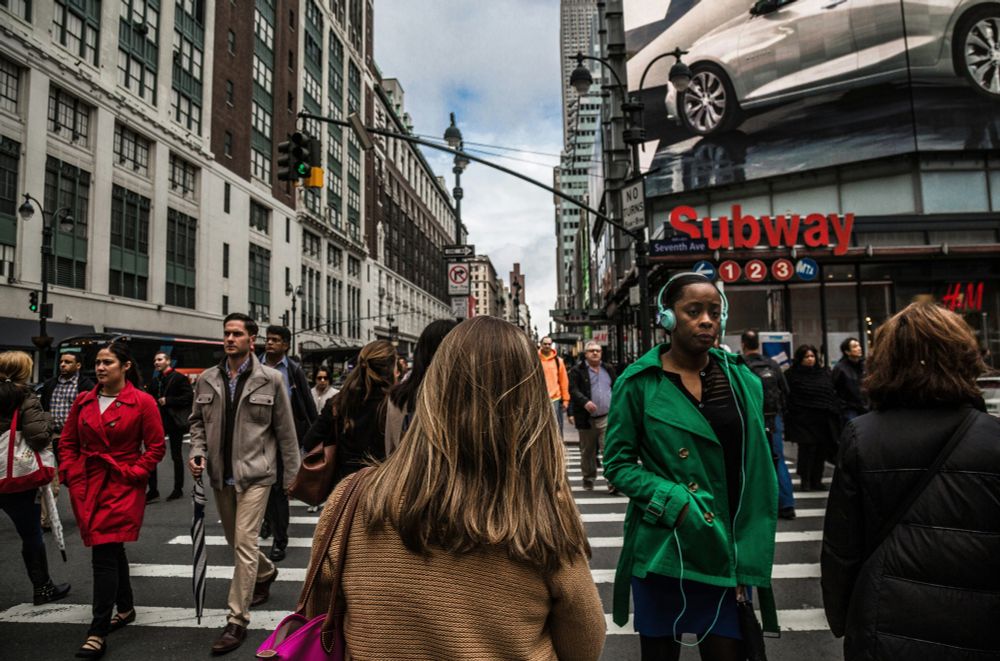
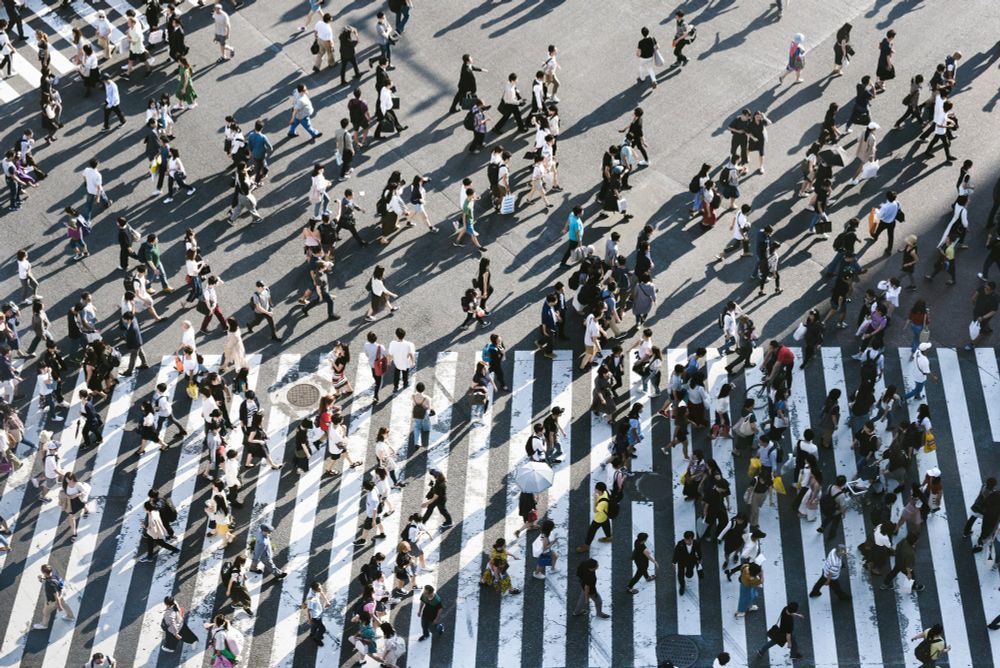
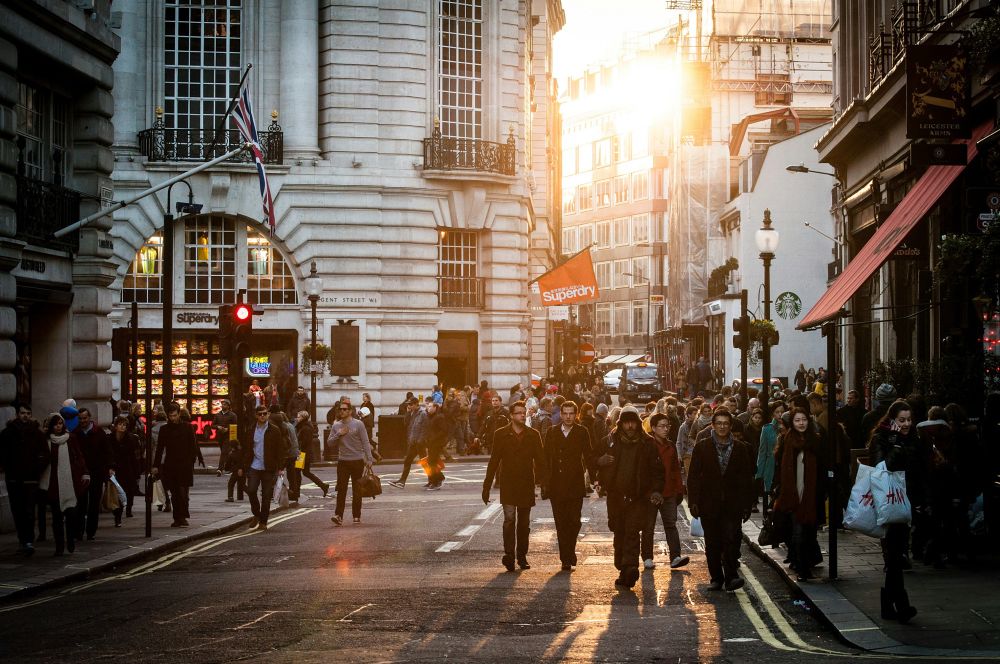
Every day, we move through the world in patterns. We follow the same routes, gather in the same places, and return again. It feels ordinary because it’s routine, but that routine is one of the most consistent systems we have.
All of that movement; every step, every interaction with the spaces around us is energy in motion, and yet, it sits outside of the way we think about energy.
The legacy systems we’ve built assume energy is generated elsewhere and delivered to us. But demand today is dynamic and requires a different system approach. A modern system must respond to where people are, how they move, and how spaces are used throughout the day.
Once you begin to look at it properly, the patterns are clear. Human movement can be mapped and utilised. What we’re seeing isn’t chaotic movement, it’s a level of orchestration we haven’t yet recognised - the energy already present within the environments we occupy.
In a human activity–centred system, energy becomes local, distributed, and adaptive; captured where activity already exists and moved as demand changes. As those points connect, an intelligent layer forms across environments, shaped by how people move rather than how infrastructure has been designed.
At that point, energy stops being something delivered into a space. It becomes part of the space itself. And once you see it that way, the question isn’t whether it’s possible. It’s why we’ve spent so long building around everything except the one constant that was there from the beginning.

Investment
Collaboration
Partnership