
One of the more overlooked aspects of the energy transition is how little discussion exists around what happens after deployment. The public conversation is overwhelmingly centred around rollout and adoption: more electric vehicles, more battery storage, more solar, more wind. Progress is largely measured through installation targets and expansion curves, as though scaling infrastructure automatically represents resolution.
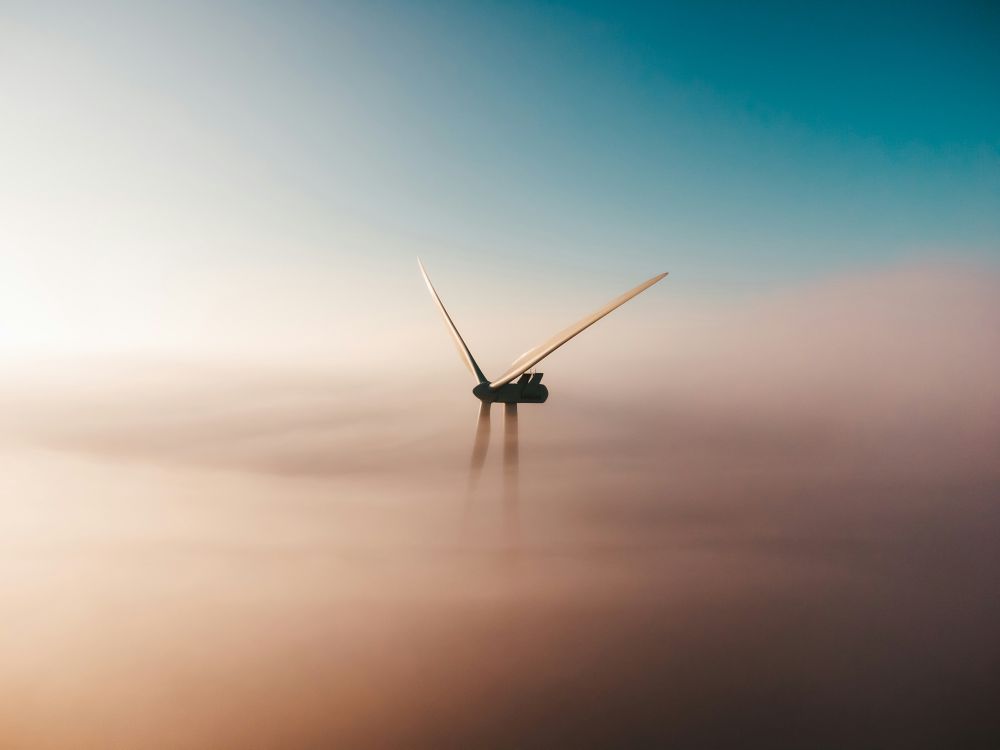
But infrastructure is not static. It ages, degrades, requires maintenance, and eventually reaches the end of its operational life. Solar panels gradually lose efficiency over time. Battery systems lose capacity through repeated charge cycles. Wind turbines require constant servicing, component replacement, lubrication systems, and eventually full structural retirement. And unlike traditional consumer products, much of this infrastructure exists at enormous physical scale, making recovery and replacement significantly more complex.
This is where the conversation begins to shift from deployment to sustainability itself.
Building infrastructure is one challenge. Maintaining it across decades of continuous operation is another entirely. Recovering, recycling, dismantling, and replacing that infrastructure at global scale introduces a second layer of industrial demand that remains comparatively absent from mainstream discussion.
At the same time, the transition is accelerating pressure on entirely new extraction chains. The demand for lithium, copper, nickel, cobalt, graphite, and rare earth materials continues to rise as countries attempt to electrify transport, expand battery production, modernise grids, and scale renewable infrastructure simultaneously. Mining operations are expanding rapidly to meet this demand, alongside the heavy industrial systems required to process, transport, manufacture, and deploy these materials globally.
And this is where a deeper contradiction begins to emerge.
Investment
Collaboration
Partnership