Recent posts
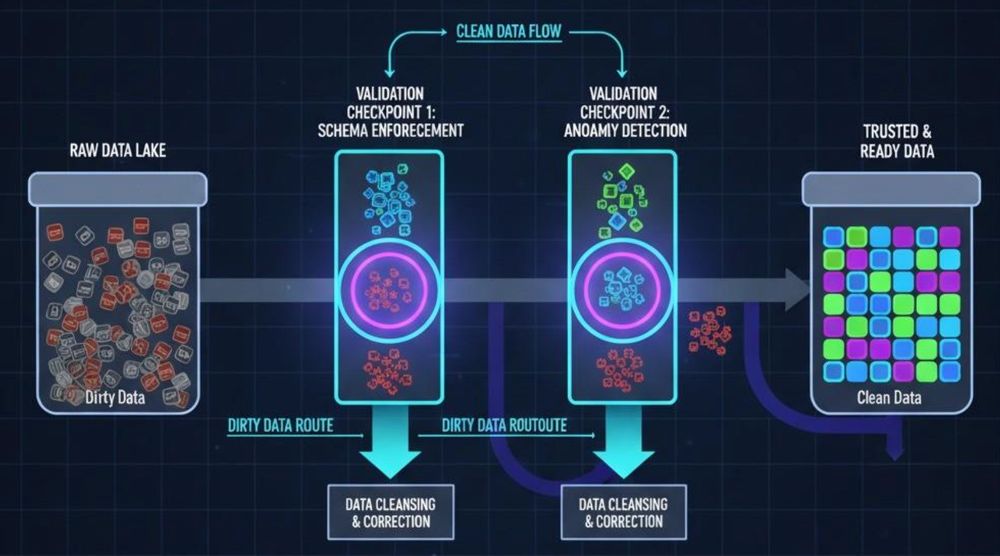
We’re entering an interesting phase of AI adoption: the bottleneck is increasingly not access to models, but access to reliable context.
A powerful model can summarize, predict, and generate but if the underlying data is incomplete, outdated, duplicated, or poorly governed, the intelligence of the system is limited by what it can actually know.
That’s something I’ve become particularly conscious of through my work across technology, sustainability, verification, and data.
In sectors where decisions depend on supplier information, emissions data, compliance records, or other operational inputs, “AI-powered” means very little if the underlying information cannot be trusted.
I think the next competitive advantage in AI will increasingly come from data infrastructure and context, not just better models.
The smartest system is only as good as the information it can reliably access.
One of the most interesting shifts in climate tech right now is that carbon removal is moving from a science problem toward a market-design problem.
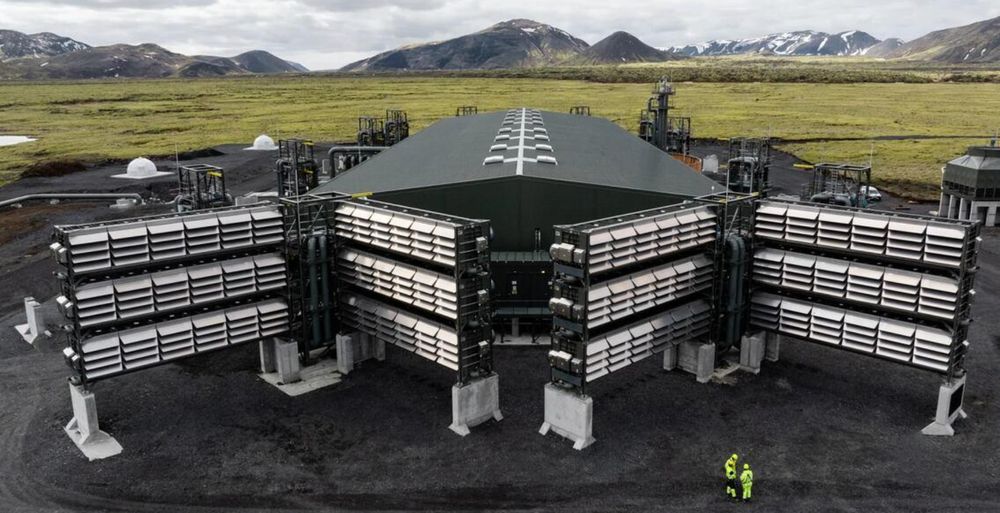
We now have multiple pathways, biochar, direct air capture, enhanced rock weathering, mineralization, each with very different costs, permanence, energy requirements, and measurement challenges.
Working in climate and verification has made me particularly interested in what happens after the technology is proven.
How do you compare a tonne of CO₂ removed through fundamentally different pathways? How do buyers verify that the claimed removal actually happened? And how do you create procurement systems that reward quality rather than simply the cheapest tonne?
As carbon markets mature, I think MRV (measurement, reporting, and verification) will become one of the most important pieces of climate infrastructure.
The future of carbon removal isn't just about removing more carbon.
It’s about knowing exactly what we paid for.
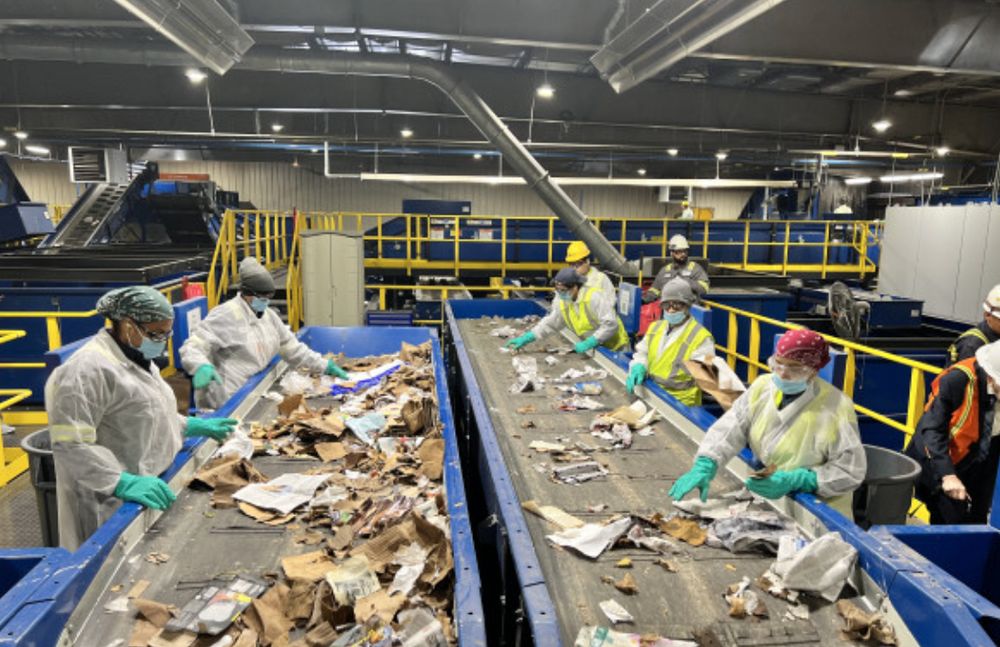
I used to think of recycling as primarily an environmental problem.
The more I’ve worked around sustainability, the more I’ve come to see it as a design and incentives problem.
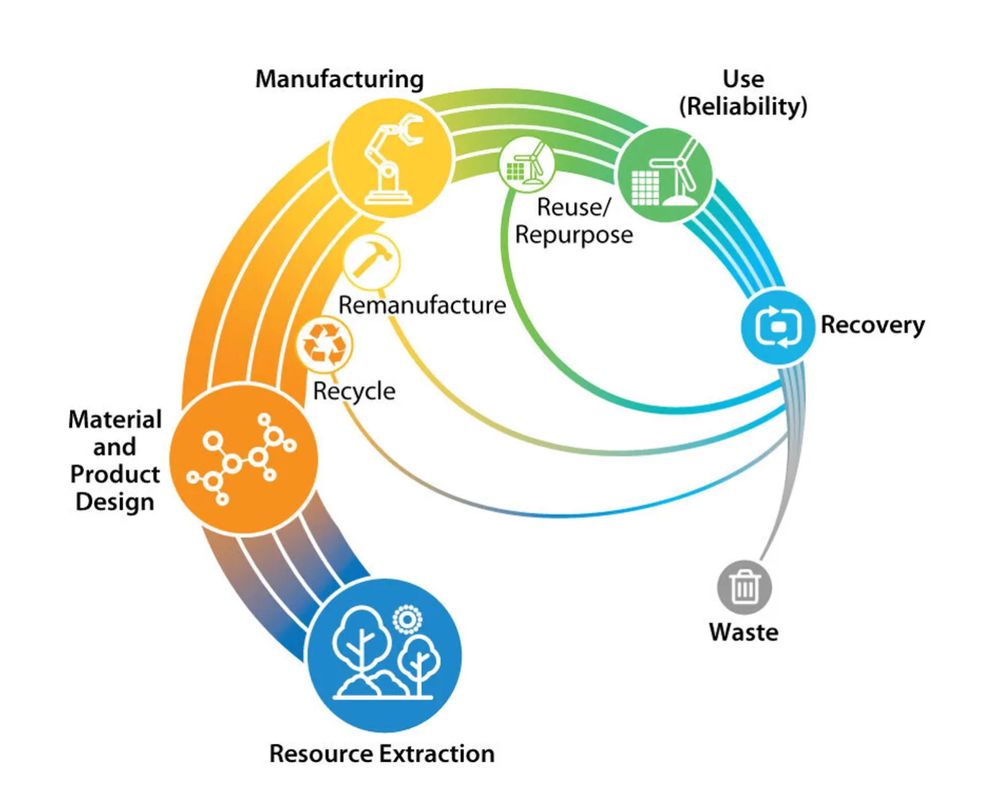
If a product is difficult to disassemble, its materials have little resale value, or nobody is responsible for recovering them, what happens at the end of its life is almost predetermined.
That’s what makes circularity interesting to me.
It asks businesses to think beyond the moment a product is sold: Who owns the material next? What is it worth? Can it be recovered? Can it become an input again?
A truly circular economy requires more than better recycling rates.
It requires businesses to rethink products, supply chains, ownership models, and incentives from the beginning.
Sometimes the best recycling strategy is simply not creating something that was designed to become waste.
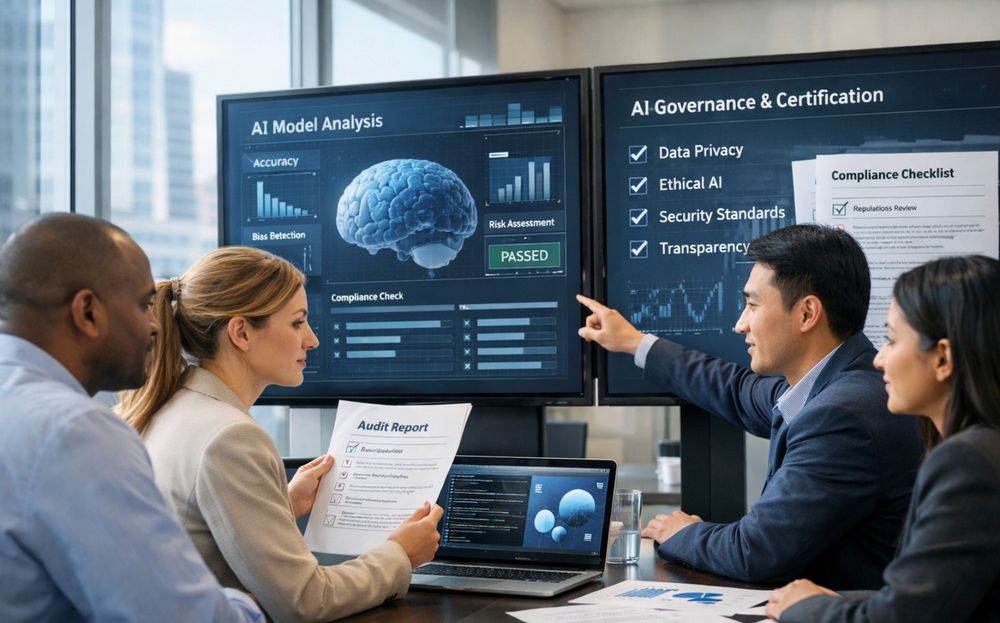
The more I work with technology and data, the more I think the biggest AI question isn’t “How intelligent can we make these systems?”
It’s “How much should we trust them?”
My work has repeatedly brought me back to questions around verification, measurement, standards, and data quality. AI is making those questions even more important.
A system can produce an impressive answer in seconds, but that doesn’t automatically make the answer accurate, explainable, or useful.
Where did the data come from?
What assumptions are behind the output?
Can someone verify it?
And who is accountable when it’s wrong?
For me, the most interesting future of AI isn’t just more powerful models.
It’s building intelligent systems that people can understand, challenge, and trust.
I’ve spent the last several years working at the intersection of climate tech, technology, and commercial strategy, including building in the climate-tech ecosystem and working closely with companies developing solutions for decarbonization.
One thing I keep coming back to: climate innovation doesn’t fail simply because the technology isn’t good enough.
A company can have strong science, a compelling carbon-reduction pathway, and real market demand and still struggle to scale because procurement is fragmented, infrastructure isn’t ready, policy is uncertain, or buyers don’t yet know how to evaluate the technology.
That’s why I’m increasingly interested in the commercial infrastructure around climate innovation: how we create the markets, partnerships, financing mechanisms, and procurement systems that turn promising technology into deployed solutions.
The next climate-tech wave won’t just be about inventing better solutions. It will be about making them easier to finance, buy, deploy, and scale.
One thing I've noticed working in climate is that we often talk about recycling as if it's the end goal.
It isn't.
The real opportunity is designing products and supply chains that make recycling economically viable in the first place. If recovering a material costs more than extracting a new one, we've designed the system backwards.
Circularity isn't just a sustainability challenge, it's a business model challenge.
The companies that win won't necessarily be the ones with the most recyclable products. They'll be the ones that make keeping materials in circulation the most profitable option.
There I was, eating my green beans, running the same question through Claude, ChatGPT, and Gemini, thinking I was doing thorough research.
I wasn't.
I repeated an AI-generated "fact" to a potential colleague. She stopped me: "That's not true."
She was right.
The irony? I've spent 10+ years in measurement, verification, and reporting.
My job has always been to question claims, not repeat them.
LLMs are excellent at synthesizing information. But in niche domains, they can infer conclusions from related public data that sound right without actually being true.
Lesson: If you're building trust through data, AI should speed up your workflow, not replace your due diligence.
Don't confuse confidence with evidence.
The future of energy, industry, and climate will not be built only in traditional innovation hubs.
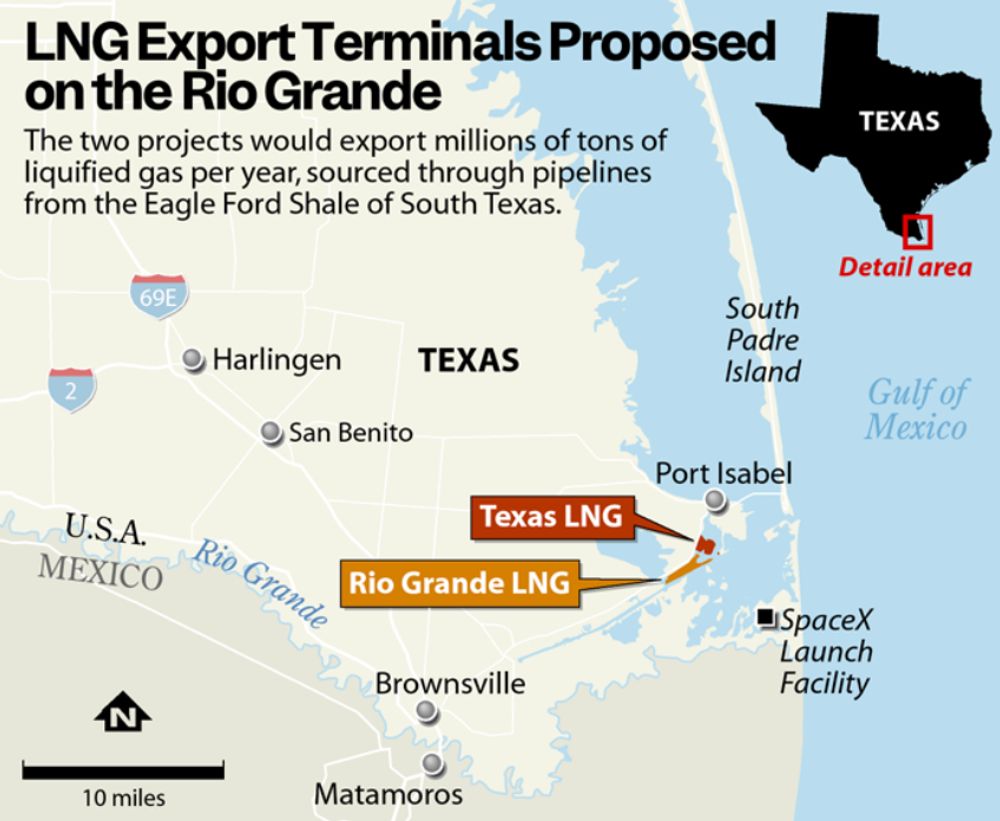
It will be decided in places like Brownsville, Texas.
A border city shaped by its port, proximity to Mexico, and connection to global trade.
For decades, Brownsville has been a strategic gateway. Today, it is becoming a meeting point for some of the biggest conversations shaping our future, from aerospace with SpaceX to energy infrastructure with projects like NextDecade’s LNG development.
But as these industries scale, one question becomes increasingly important:
How do we measure progress?
How do we verify emissions reductions? How do we ensure carbon capture, carbon removal, and lower-carbon technologies deliver the impact they promise?
This is where MRV (Measurement, Reporting, and Verification) becomes critical.
The energy transition is not happening in abstract conversations. It is happening in real communities, with real infrastructure, and real tradeoffs.
Watching my hometown become part of that global conversation has been fascinating.