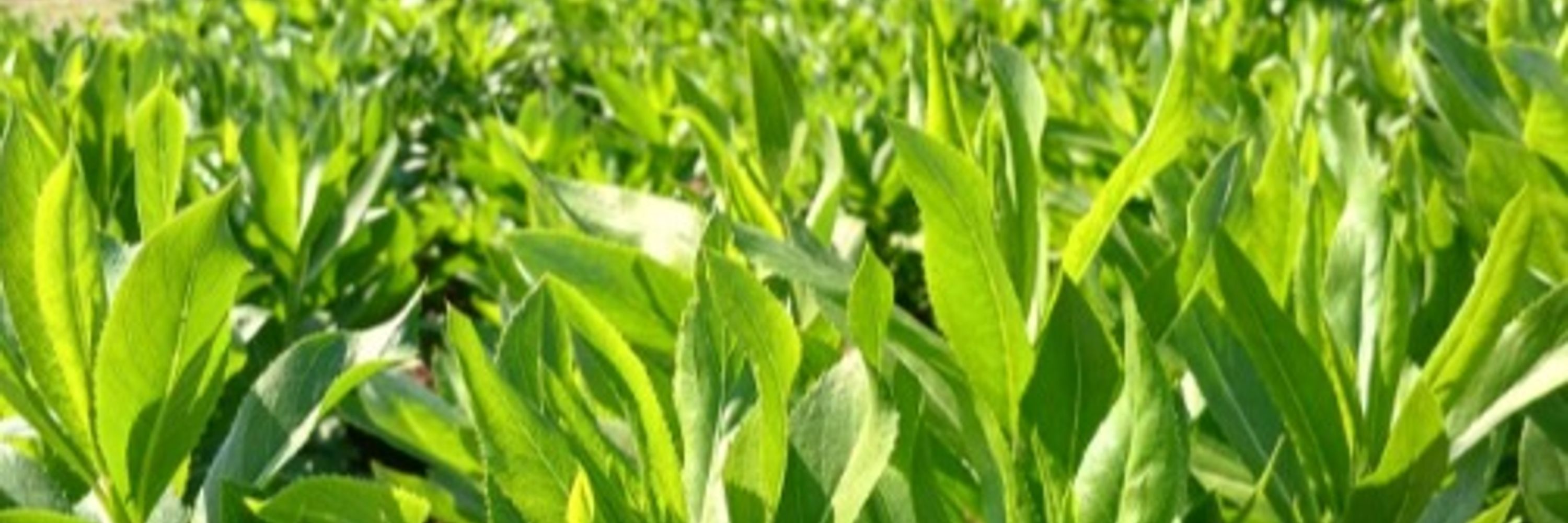
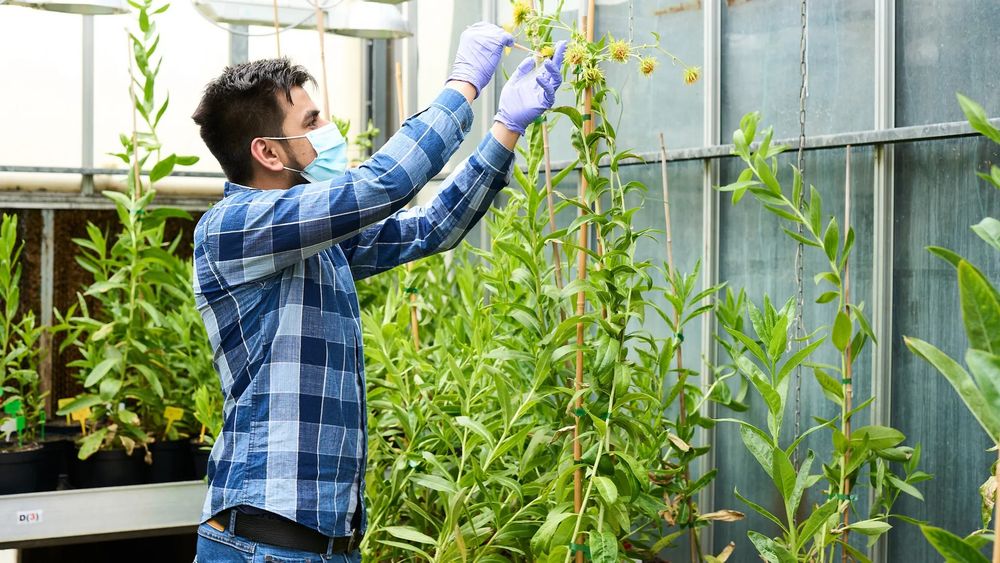
Genomines uses biotechnology to make plants into natural metal extractors, creating a cleaner, cheaper, and faster alternative to mining. We plant our genetically enhanced nickel hyperaccumulating plants on underutilized land, with nickel concentrations too low for mining and too high for farming, unlocking millions of hectares of new resources. The result is a scalable, nature-based way to diversify critical mineral supply, reduce carbon emissions, and meet the world’s demand for battery-grade nickel.
In a high-performance team, harmony is a myth. Dysfunctional teams are the ones that never clash, cannot handle constructive criticism, and hide from the truth.
Functional teams make constructive challenge, constant change, and growth part of their DNA. This mindset is essential for a company like Genomines to innovate at scale.
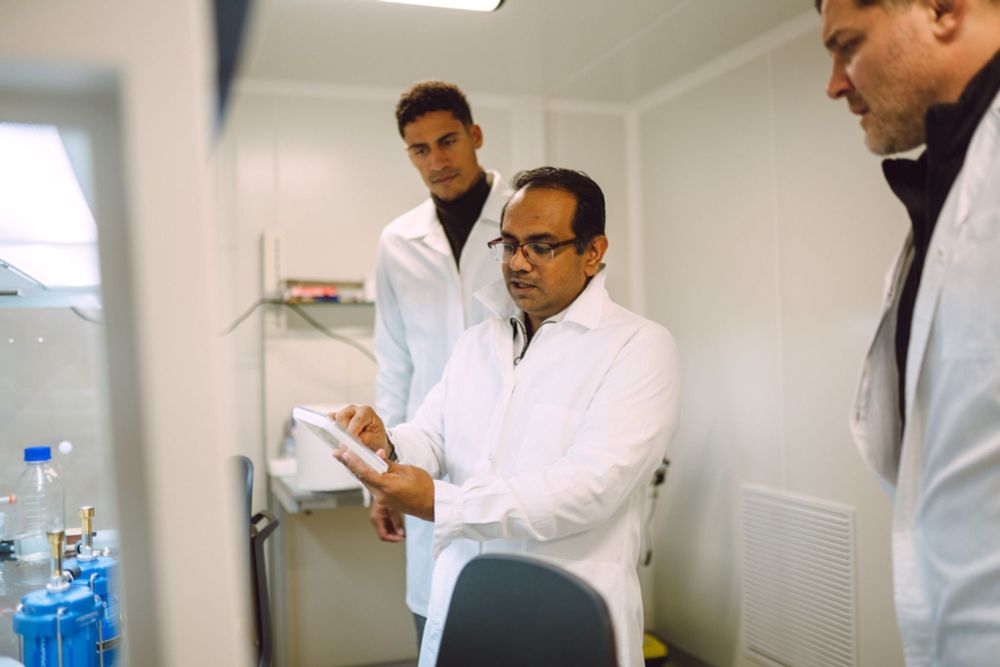
In a recent visit to our lab, our investor Teampact Ventures' Benjamin Kayser and Raphaël Varane shared this wise lesson. We're grateful to Teampact for shaping how we work at Genomines. Their guidance challenges our thinking and strengthens the culture we need to transform an industry.
Did you catch Genomines’ feature in Season 2 of An Optimist’s Guide to the Planet?
Bloomberg Media and Bloomberg Originals’s series, hosted by actor and climate advocate Nikolaj Coster-Waldau, spotlights individuals and communities around the world who are driving humanity toward a more sustainable future. It was a pleasure to welcome Nikolaj and the production team to our lab earlier this year, sharing how biotechnology can unlock sustainable sources of critical minerals.
Check out the trailer here (and catch our co-founder Dali Rashid, PhD. in action at the lab)!
A sub-economic conventional mining region can be a goldilocks zone for phytoextraction. Genomines' plants grow and extract nickel in regions that don't have enough metals for regular mining -- but have too much metals for farming. We're paving the way to a more sustainable future for metal extraction, avoiding the waste and tailings created by mining.