@grofunder × Hanis Capital Limited🤝🌱
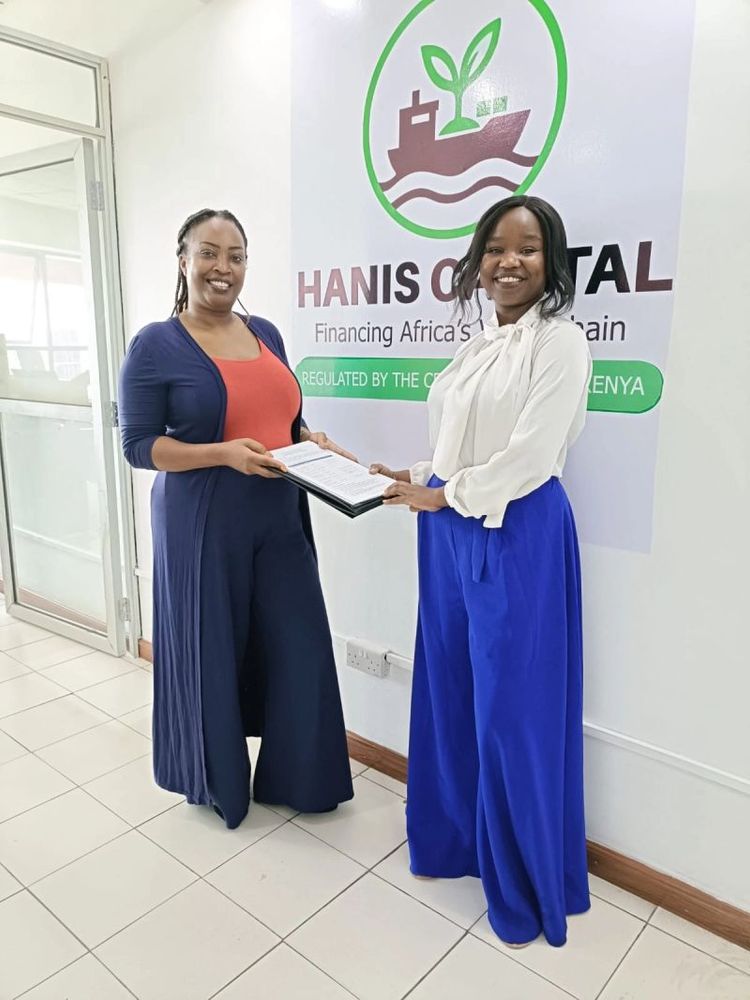
We’re excited to announce that Grofunder Africa has officially signed a partnership with Hanis Capital Limited.
This partnership marks an important step in our mission to make productive finance more accessible to smallholder farmers across Africa.
By combining Grofunder’s farmer relationships, agricultural data and alternative credit infrastructure with Hanis Capital’s lending experience, capabilities and regulatory framework, we are building a more practical way to connect farmers with the capital they need to invest, produce more and grow their incomes.
Our pilot has taught us a lot about what it takes to make agricultural finance work in the real world. We’re now taking those learnings into our next phase, starting with our existing cooperative partnerships and working towards 500 farmers in our next phase of growth.
We’re grateful to the team at Hanis Capital Limited for the trust and partnership, and to the farmers, cooperatives and partners who continue to build this journey with us.
This is another step towards building financing infrastructure that works for African farmers. 🌍
#Grofunder#HanisCapital#Agrifinance#Agriculture#FinancialInclusion#SmallholderFarmers#Kenya#Fintech
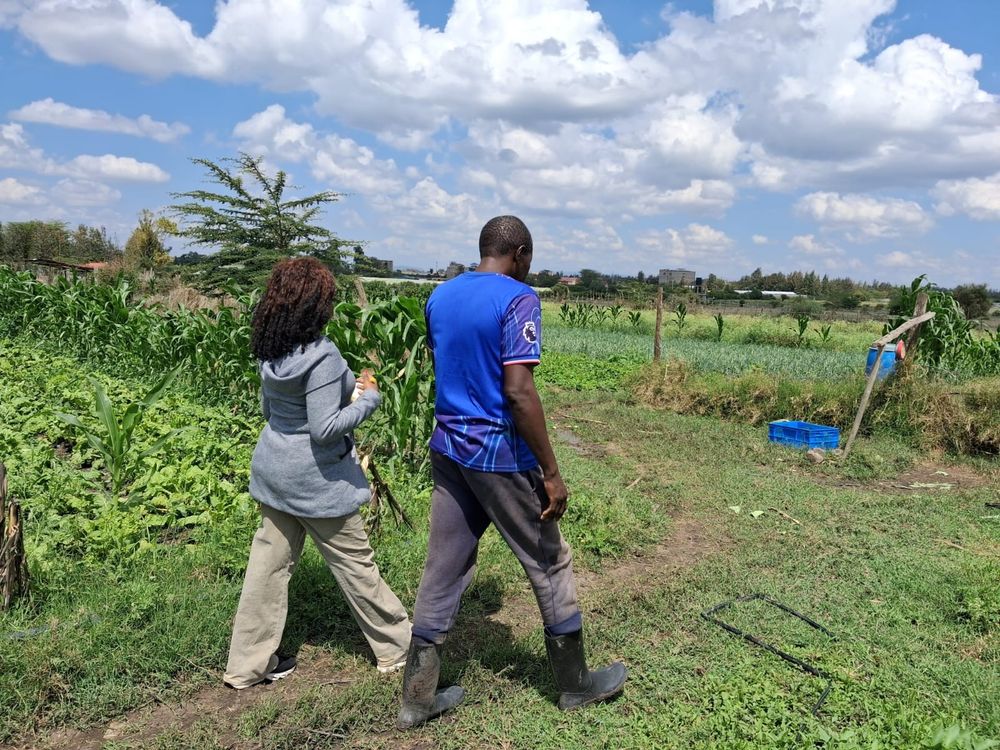
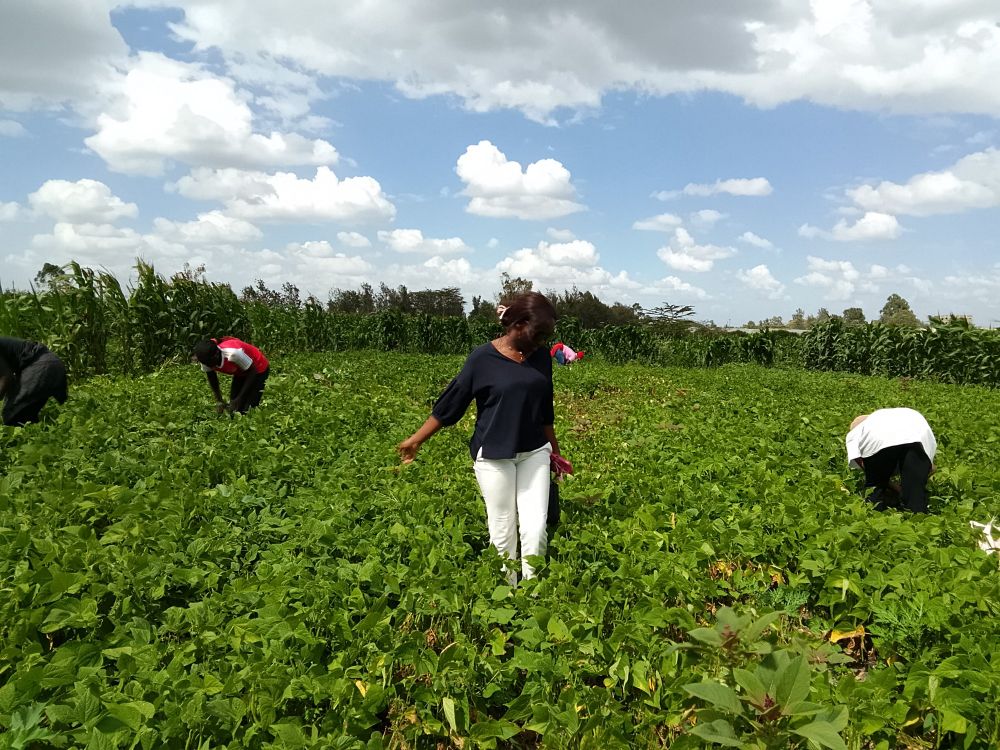
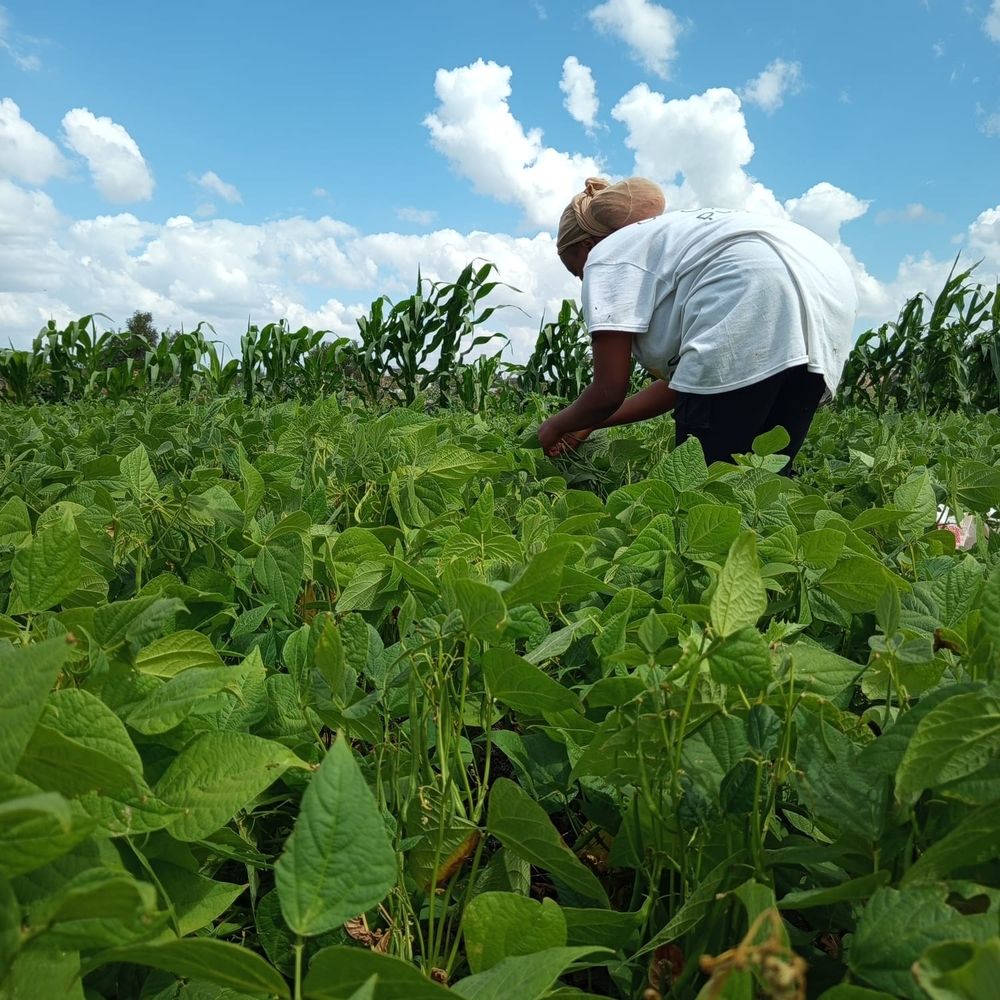
Sometimes building a startup means meetings, laptops and strategy sessions. Other times, it means getting on a bike and heading out to meet the people you're building for. 🚲🌱
A little behind the scenes from one of our trips to Oyugis town, Homabay county.
Startup building looks different when your customers are miles away from your office.
Side note: forgive the camera quality. Blame the cameraman. 😂
#BuildingGrofunder#StartupJourney#AgTech#BuildingInPublic#Agriculture#StartupFounder
Five months ago, we disbursed our first farmer loans. Today, that cohort has fully repaid.
46 farmers have repaid KSh 305,000 in loans.
This is more than a repayment milestone. It is proof that smallholder farmers are bankable when financing is designed around their realities and supported by trusted local structures. For too long, many farmers have been viewed as too risky to finance. Our early results are showing a different story.
We're grateful to the farmers who trusted us, our cooperative partners, and everyone supporting our journey as we work to unlock more capital for rural Africa.
One cohort down. Many more to go. 🌱
Fun fact: The video below shows farmers delivering 2,000 kg of cassava tubers to their cooperative's collection centre for value addition. The cassava is used to manufacture high-quality poultry feed, creating a reliable market for farmers while strengthening their ability to repay and grow their businesses.
#Grofunder#AgriFinance#FinancialInclusion#SmallholderFarmers#ImpactInvesting
What do farming and investing have in common? Both reward patience 😎 .
The Grofunder Africa team has started speaking with a few individuals interested in making small, short-term investments in smallholder farmers, and three questions keep coming up: how are returns generated, how is risk managed, and how is investor capital protected? These are the right questions, because agricultural investment starts with trust, not just capital.
More interestingly, several prospective investors are asking something else: how does this improve farmers’ lives? That has stood out to us. People want returns, yes, but many are equally interested in how farmers benefit and whether the impact is real.
If you were considering investing in farmers and earning 12% per/year, what questions would you ask first? Let us know.
Also, if you are considering investing, click this link, and one of our amazing co-founders will walk you through how it works on a one-on-one: docs.google.com/forms/d/e/1F...
Would you invest in a farmer if you could earn returns of up to 12%/year?
Out of 7.5M smallholder farmers in Kenya, over 70% are completely locked out of the financing they desperately need to grow. Not because they are risky, but because they are invisible to traditional lenders. The effect of this on farmers is clear: lower farm yields, lower incomes, and less food security.
At Grofunder, we are testing a different model. We allow ordinary people (like you) to invest directly in smallholder farmers by funding farm inputs and working capital loans. Farmers use this to grow more, earn more, and repay monthly.
So far:
-110+ loans issued
-98% repayment rate
-Partnerships with rural farmer cooperatives
Now we want to test something simple. Would people actually be willing to invest in farmers?
If this is something you’d consider, fill this short form. We’ll reach out and walk you through how it works: docs.google.com/forms/d/e/1F...
We’re opening this to a small group first. Limited slots available.
96% repayment? Achievable!
For decades, smallholder farmers in Africa were considered “too risky” to lend to, but on the ground we are seeing something very different.
In January 2026, we issued our first batch of loans. 46 unbanked farmers received fair, well structured capital at the right time in the season through our pilot with Nyawest Farmer Cooperative in rural Western Kenya. This week, the first repayments started coming in, and so far, 96% of instalments due have already been repaid.
It is still early, but one thing is becoming clear: Smallholder farmers are bankable.
Two weeks in Homa Bay county. And of course, our team just happened to arrive just as the rains began🤭.
Mud everywhere. Boda boda rides in the rain. The kind where you question your life choices while holding your laptop bag like a newborn. But that is farming season. When the rains come, everything moves...and we love it.
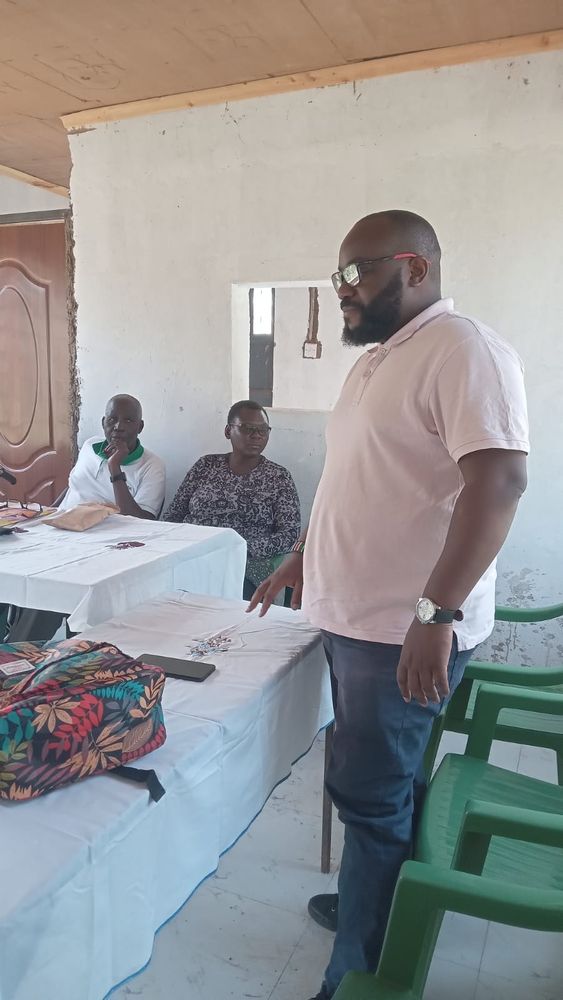
We sat with cooperative leaders. We listened to how they decide who is trustworthy. We watched how farmers hold each other accountable. The social capital inside these groups is not theory. It is real and it is disciplined.
We are learning that social capital, deeply embedded in cooperative structures, can be formalized into a practical credit framework. Trust, peer accountability, and shared reputation reduce risk in ways traditional models often miss.
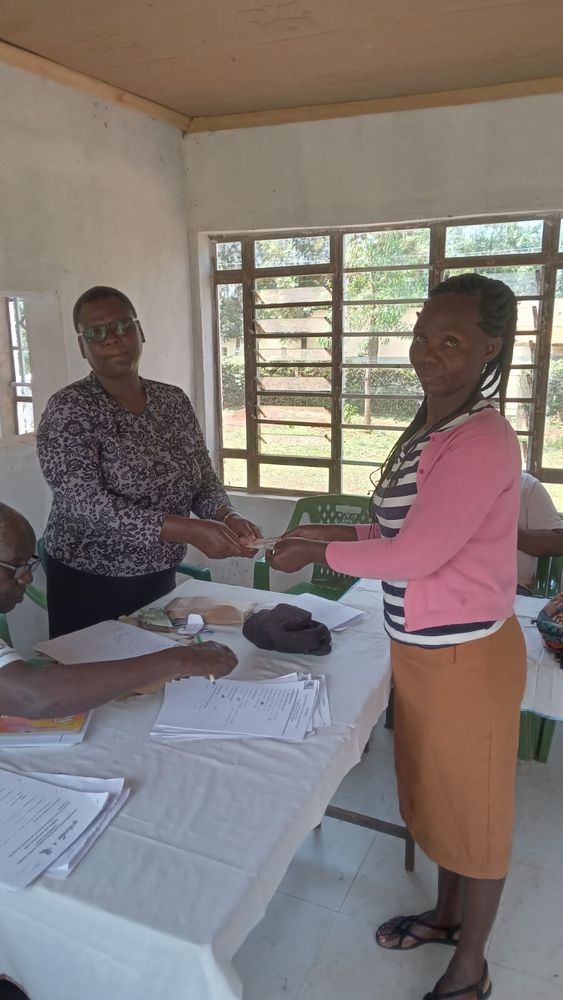
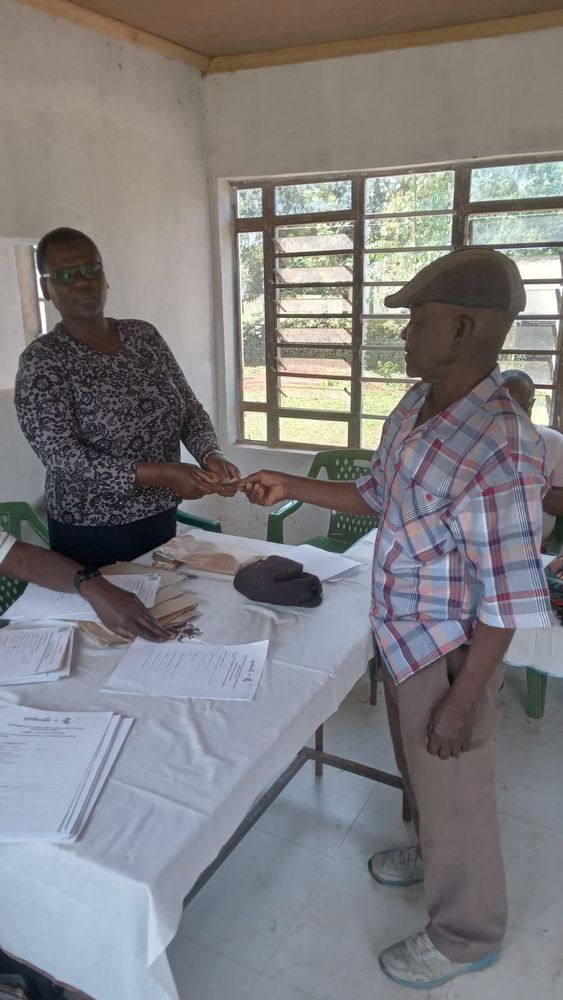
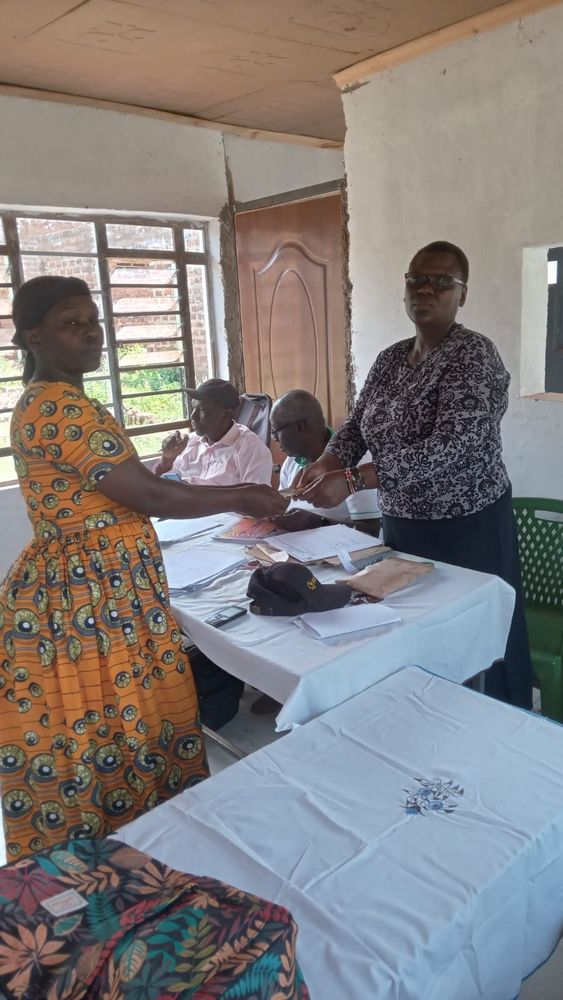
Last Friday, all that learning turned into action. 44 loans issued across 4 farmer clusters in partnership with Nyawest Farmer Cooperative Society.
We have also handed over our loan origination and monitoring system to the cooperative in an effort to digitize the processes we have mapped and validated so far. This is a key step toward building scalable infrastructure rooted in how farmers already operate.
By April, we aim to have supported at least 200 farmers. The signals on the ground suggest we are on the right path.