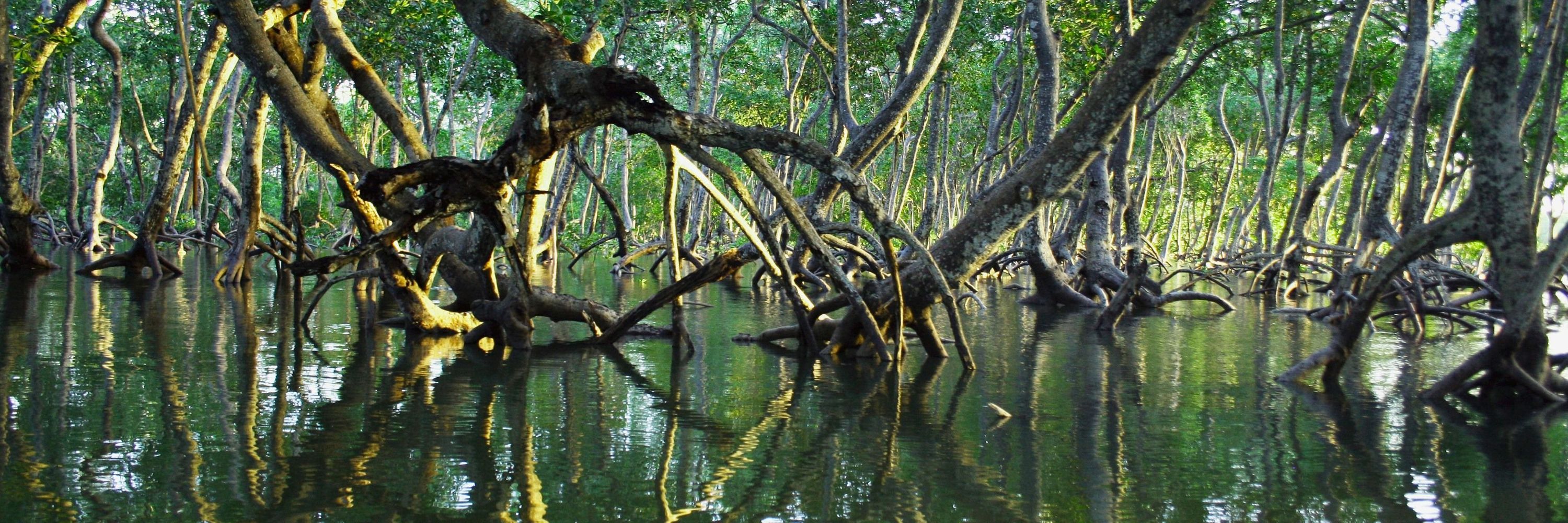
Are we ignoring catchment physics in AgriTech?
We talk a lot about precision sensors and AI-driven yields, but long-term water balance is ultimately a zero-sum game between supply and atmospheric demand. Converting native forests to intensive pastures fundamentally shifts the Flow Duration Curve. We lose sustained baseflow and spike frequent high-flow events because the runoff potential increases.
Too many "smart" irrigation systems try to optimize a catchment that is already out-of-phase with its seasonality. If Actual Evapotranspiration hits the physical water limit, no amount of digital optimization can innovate our way out of a hydrological deficit.
Should we stop just optimizing the crop and start designing Intelligent Systems around the catchment’s natural regime?
I’d love to hear from anyone integrating catchment-scale mass balance equations into farm management software.
@juanita
Juanita Rondón
13Following
11Followers
Posts
Pages
Recent posts
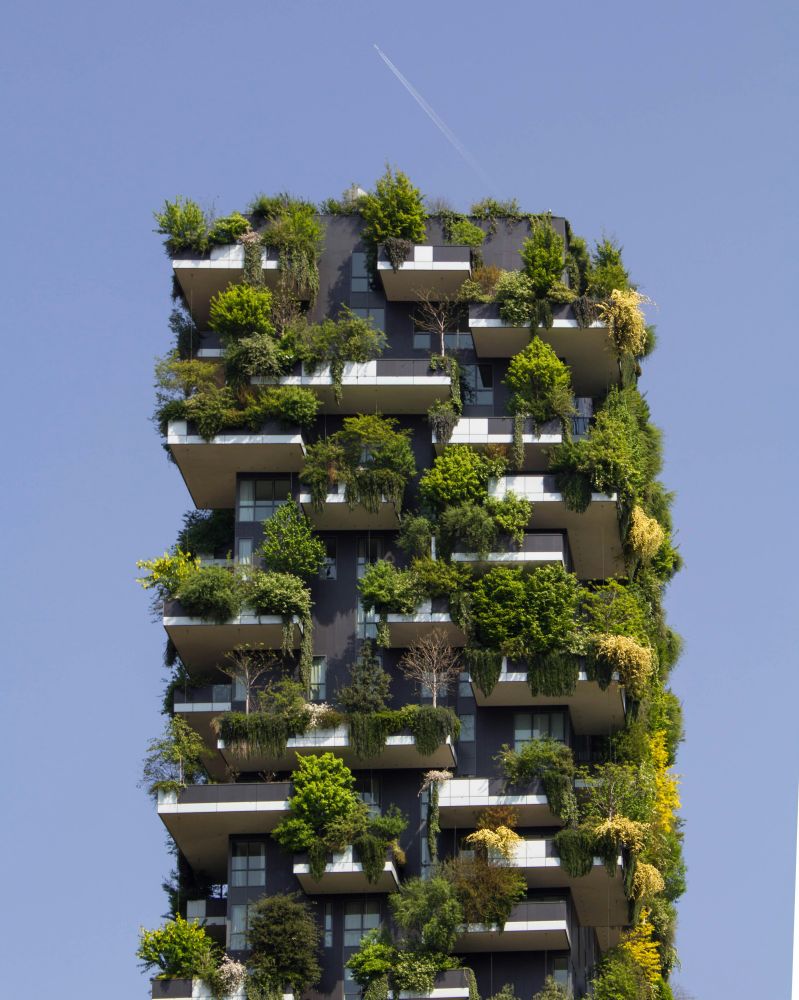
The solution to urban heatwaves isn’t a futuristic magic bullet, it’s literally right over our heads!
Geospatial modeling shows that Turin alone has over 15,450 buildings with the structural capacity for green roofs, yet only about 300 have implemented them. We are sitting on millions of square meters of dead "gray" space that could be actively slashing local temperatures.
Extensive green roofs weigh less than 150 kg/m² and require minimal maintenance. They act as a passive climate intervention, dropping internal temperatures by up to 3°C to prevent heat stress. It’s the ultimate circularity play: repurposing wasted asset space for city resilience.
Why is green roof adoption still treated as a luxury in urban planning rather than a mandatory infrastructure standard? Is the main barrier upfront cost, or are building codes simply stuck in the past?
We talk a lot about Intelligent Systems, but the real impact is in granularity. Now a days standard satellite data gives us a 30m resolution for urban heat! enough to see a neighborhood, but too coarse to see the actual risk on the street.
Geospatial downscaling using Sentinel-2 and Landsat fusion is changing this. Heat doesn't care about averages; it cares about whether you’re standing on asphalt or under a green roof. In cities as Turin, in Italy, this tech proved that switching to high-albedo concrete blocks can slash surface temperatures by over 4°C.
If we integrate these hyper-local thermal maps with public health and MedTech infrastructure, we could predict heat stress before it becomes an emergency room statistic.
Are we actually embedding these datasets into active health and agri-tech apps, or are we just building pretty maps for urban planners?

Groundwater remediation is often treated as a bureaucratic checklist rather than what it truly is: preventative MedTech.
When dealing with contaminated sites, companies usually focus on hitting regulatory limits e.g. Italy’s D.Lgs. 152/06. However, the bottleneck lies in the residual phase as NAPL, trapped pockets of pollutants feeding toxic plumes for decades. Relying on Monitored Natural Attenuation is essentially giving palliative care to an aquifer instead of a permanent cure.
Healthcare demand absolute precision and active treatment. It would be interesting to apply that same rigor to subsurface engineering, using aggressive source removal like In Situ Chemical Oxidation to target the actual biological risk to human health.
Sometimes it seems we are too comfortable settling for minimum regulatory thresholds when we may have the tech to deliver a full recovery.
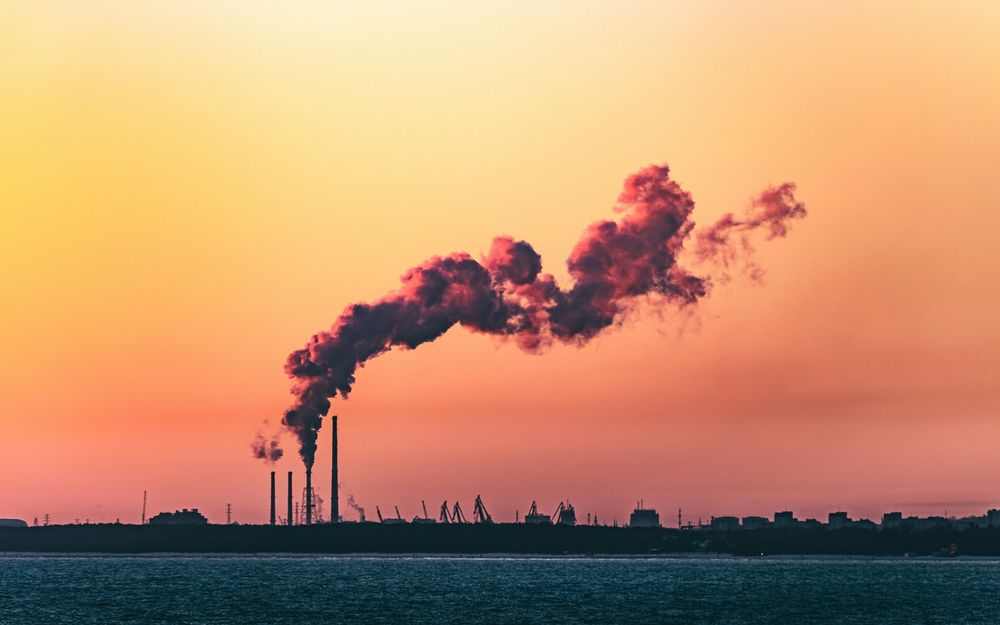
We need to stop thinking of Carbon Capture as just waste disposal. It’s indeed an Intelligent Systems problem.
The ultimate circularity challenge is managing the CO2 we’ve already emitted. As is the case of deep saline aquifers, which are our best "vaults" for storage, the real hurdle isn’t the injection, it’s predicting how that gas moves over millennia.
We are dealing with dynamic geochemical variables that require real-time 3D monitoring to ensure the containment doesn't leak. Without high-fidelity data to track plume migration, the carbon-neutral promise lacks safety at a geological timescale.
Are we investing enough in the AI-driven monitoring tech needed to make storage truly bankable? I'd love to hear from anyone working on subsurface sensor-fusion.
We are obsessed with precision irrigation sensors in AgriTech, but we are still failing at the basics: seasonal water mismatch. We have water when we don't need it, and drought when we do.
I’ve been following recent pilots in Italy for Managed Aquifer Recharge, also known as MAR. Instead of building massive, expensive dams that lose water to evaporation, these projects use empty irrigation canals during the off-season to "bank" water underground.
The geology works, and the soil acts as a natural filter. The real hurdle now is integrating this nature-based storage into existing smart farming infrastructure.
Are any founders or investors in this community seeing MAR gain traction or funding in your regions?