The real crisis isn’t infrastructure—it’s integrity.
Too few people stay ethical in their everyday lives. Too many ignore responsibility when it matters most.
A clean, efficient, and thriving nation is not built only through policies or funds but through people.
Today, one of our biggest challenges is not just waste on the streets, but the silent erosion of integrity in everyday life. Too few people remain truly ethical at their core who choose responsibility, honesty, and humanity even in the smallest of actions.
When we litter instead of waiting for designated garbage vehicles, when public resources are misused, when duties are performed without sincerity, we don’t just create disorder, we slow down the progress of an entire nation.
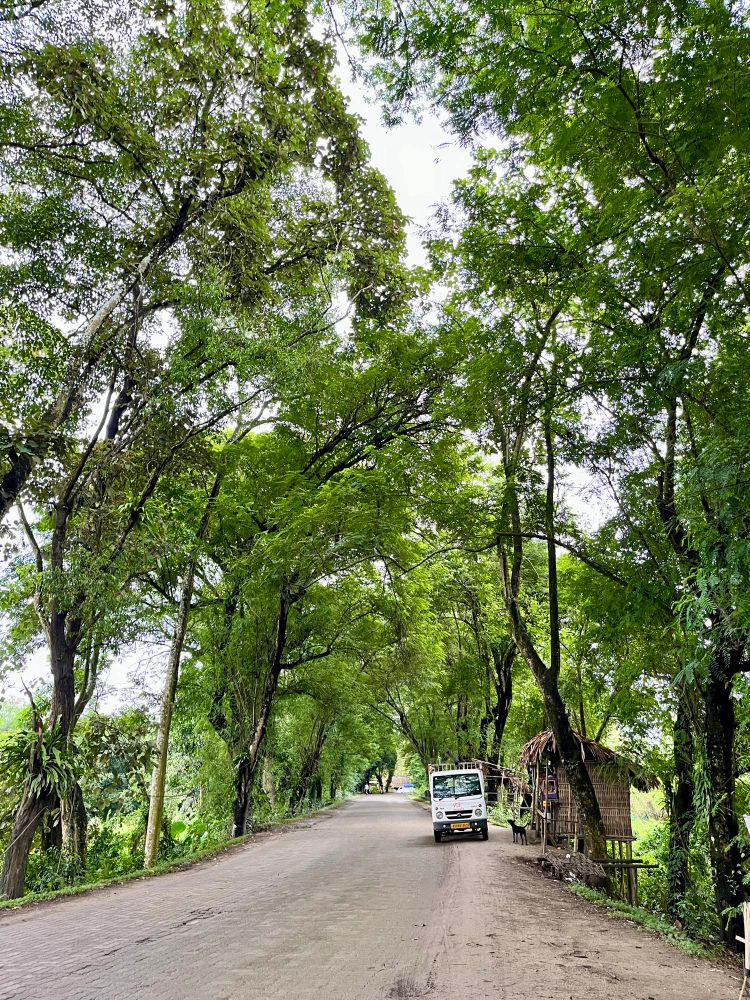
Garbage Vulnerable Points (GVPs) are not just spots of waste, they are reflections of collective behaviour. But they don’t have to stay that way.
They can become points of beautification and symbol of change.
And that change begins with us.
Because the moment integrity becomes the norm and not the exception, we free up our systems, our resources, and our energy to focus on the challenges that truly demand our attention.
A future where we are not constantly fixing avoidable problems…
A future where our systems function because people do…
A future where we can collectively fight bigger battles like climate change with full strength.
Let’s not just clean our surroundings.
Let’s clean our habits.
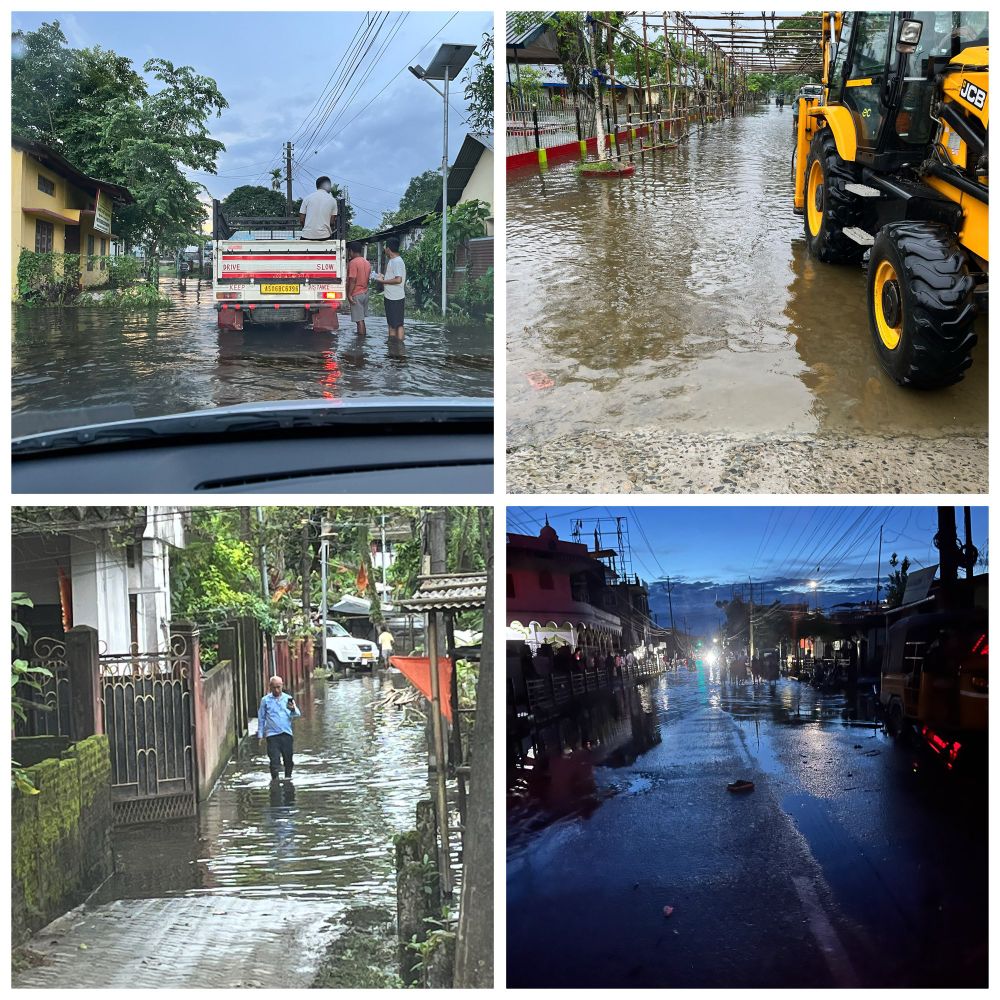
A Day When the City Nearly Drowned
At 5:30 AM, the city felt like any other day.
By afternoon, it was struggling to stay afloat.
The Town Protection Drain, the major outlet of the flood waters had overflowed. Within hours, it had swallowed parts of the National Highway. Traffic froze. Water rose. Panic spread.
By then, there was no time to “plan.” Only to act.
Sanitation workers were the first to step in.
They entered clogged, overflowing drains, risking their lives to clear blockages with bare hands and basic tools. It’s work that often goes unseen, until a day like this.
Our office mobilised every available resource. The district administration moved into emergency mode. The police worked alongside us to manage traffic and to calm growing public unrest.
Because this wasn’t just about water.
People were watching their homes, their belongings, their sense of security being washed away.
At the centre of it all was the Mayor who was facing questions, anger, desperation. I found myself trying to support him, even as the situation kept evolving by the hour.
We had to reroute public transport.
We had to respond in real time.
We had to make decisions with incomplete information.
And yet, something remarkable happened.
Lines blurred.
Administrators, sanitation workers, police personnel, elected representatives and even citizens began working not in silos, but together. There was no “department” anymore. Just a shared urgency.
I was on the field till late that night. And the nights after.
It took three days for the water to recede, for the city to breathe again. Rehabilitation followed but the memory of that day lingered.
Because it revealed something we often forget:
Cities don’t fail in a moment.
They are pushed there by the gaps we ignore, systems we delay, and infrastructure we underestimate.
But they are also saved in moments
by people who step up, often without recognition.
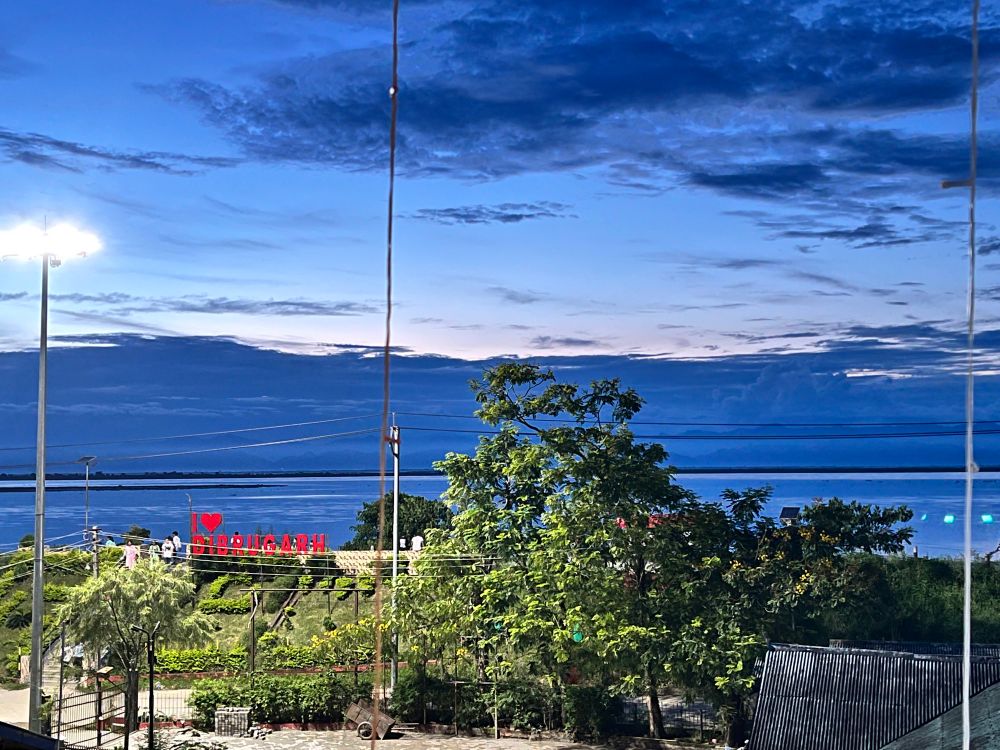
The prehistoric and mighty Brahmaputra river flows with unwavering force throughout the year, but during the monsoon, it turns fierce. Roaring and relentless, its surging waters swallowing lives, livelihoods, and property. For the people of the region, floods are not an aberration but a recurring reality. Over time, communities have adapted through measures such as stilt houses, reflecting a deep-rooted resilience.
Yet, the intensity and frequency of recent floods are increasingly testing the limits of this resilience, disrupting essential services and fracturing supply chains. Conventional mitigation efforts, while necessary, have proven insufficient in the face of this growing challenge.
What is needed is a more integrated approach-one that combines mitigation with sustainable adaptation. Nature-based solutions such as rejuvenation of water bodies, groundwater recharge, and plantation of flood-resilient flora can significantly enhance the region’s capacity to absorb and manage excess water. Equally important is behavioural change at the community level: responsible waste disposal, particularly avoiding the dumping of garbage into municipal drains, is critical to preventing blockages that exacerbate urban flooding.
Only through a convergence of ecological restoration, infrastructural planning, and civic responsibility can the region move towards a more flood-resilient future.
What if cities worked with water, instead of against it?
Small urban local bodies are quietly leading climate action on the ground. In a northeastern state of India, a simple shift is making a real difference—non-concrete, nature-aligned channels are being used to guide excess rainwater away from dense urban areas toward the periphery and into nearby rivers.
No heavy engineering. No overbuilt infrastructure. Just working with the land’s natural flow.
The impact over the past year:
🌿 Reduced waterlogging
🌿 Better drainage efficiency
🌿 Noticeable decline in urban flooding
As climate change intensifies rainfall, such nature-based solutions show that resilience doesn’t always require bigger systems—just smarter, more context-sensitive ones.
What began as a quiet early-morning arrival in a new town soon unfolded into a deeper realisation—climate action in India is not an abstract, distant goal. It is lived and shaped daily within our municipalities.
From sanitation vehicles that don’t always run, to flood-prone riverfronts waiting to be reimagined, cities carry both the burden and the potential of climate resilience. As an Executive Officer, I initially saw my role as service delivery. But over time, it became clear—municipal governance sits at the heart of climate mitigation and adaptation.
Whether it is enforcing energy-efficient building codes, enabling rainwater harvesting, managing waste sustainably, or preparing ward-level disaster responses—cities are where policies translate into real impact.
India’s climate future will not be decided in boardrooms alone. It will be built, street by street, ward by ward.
And it begins with empowering our municipalities.