This is a deeply personal post; I feel compelled to write it, though.
I used to think I was speaking about systems change.
Then my body interrupted the narrative.
During a PechaKucha talk I was meant to deliver cleanly, I started as planned - structured, sharp, controlled. Halfway through, my epilepsy began to surface. I ended up in hospital shortly after.
The talk changed shape that day.
And something unexpected happened afterwards.
People came up to me - not to discuss compassion, donor fatigue, waste systems, or circular economies - but to ask about mental wellbeing.
I remember thinking, “I don’t struggle with mental health.”
But I’ve learned to sit with that differently now.
Because burnout doesn’t always announce itself. Trauma from frontline work doesn’t always look like collapse. Sometimes it looks like functioning - until it doesn’t.
The work we do in impact spaces asks a lot of the nervous system. More than we admit. More than we measure.
I’m still unlearning what I thought resilience was.
And slowly learning that awareness isn’t weakness - it’s data.
Sometimes the system we need to redesign… is us.
I would love to hear from others, about burnout and PTSD.
www.youtube.com/@Onward.africa - video
Lindsay Hopkins
Onward is about moving ideas into action.
This channel shares talks, reflections, and real-world insights from my work across sustainability, circular systems, community innovation, and responsible d...
Three climate-tech ventures. One clear pattern.
Yesterday I spent time with founders working across Africa’s plastic and circular economy space - and what stood out wasn’t just innovation, but the tension between science, scale, and reality.
From challenging plastic at source with biotech-enhanced moulded fibre, to rethinking packaging through climate-resilient cactus biomass.. the 3rd is pushing something even more radical - decentralised, point-of-use bioplastic fabrication.
Different models. Same ambition: eliminate waste before it exists.
But here’s the real question I kept coming back to as a judge:
Where does innovation break when it meets procurement, infrastructure, and human behaviour?
A few reflections for founders:
* Science is not enough without cost realism
* Local supply chains will make or break scale
* “Circular” only works if the system already exists to receive it
* And hype does not survive first customer friction
What excites me is not perfection - it’s directional honesty. These founders are building in the gap between what should work and what actually does.
Any other founders having the same questions, challenges and concerns?
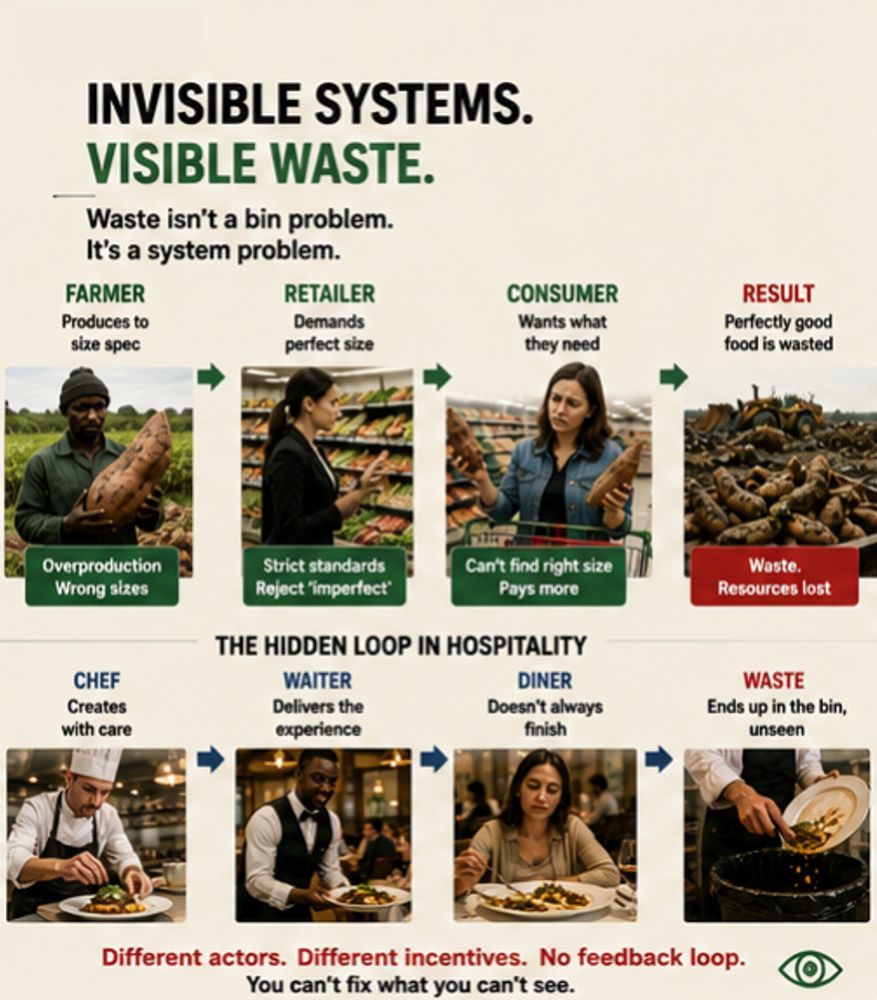
Last night I went to buy sweet potatoes, slice in half, roast, and add a topping. They were all HUGE - 1 would be enough to feed a family of 6! I wanted small ones, to serve individually.
Retailers are setting demand. Farmers have to produce. Consumers have no say.
We overproduce, over-standardise, and then act surprised when waste piles up.
We keep talking about waste like it happens at the bin.
It doesn’t.
It happens long before that.
In the restaurant space, chefs are ordering ingredients they never see wasted.
#jelle has the perfect solution to this exact problem!
It’s broken telephone… from soil to shelf.
And everyone is doing their job “correctly” inside a system that is fundamentally misaligned.
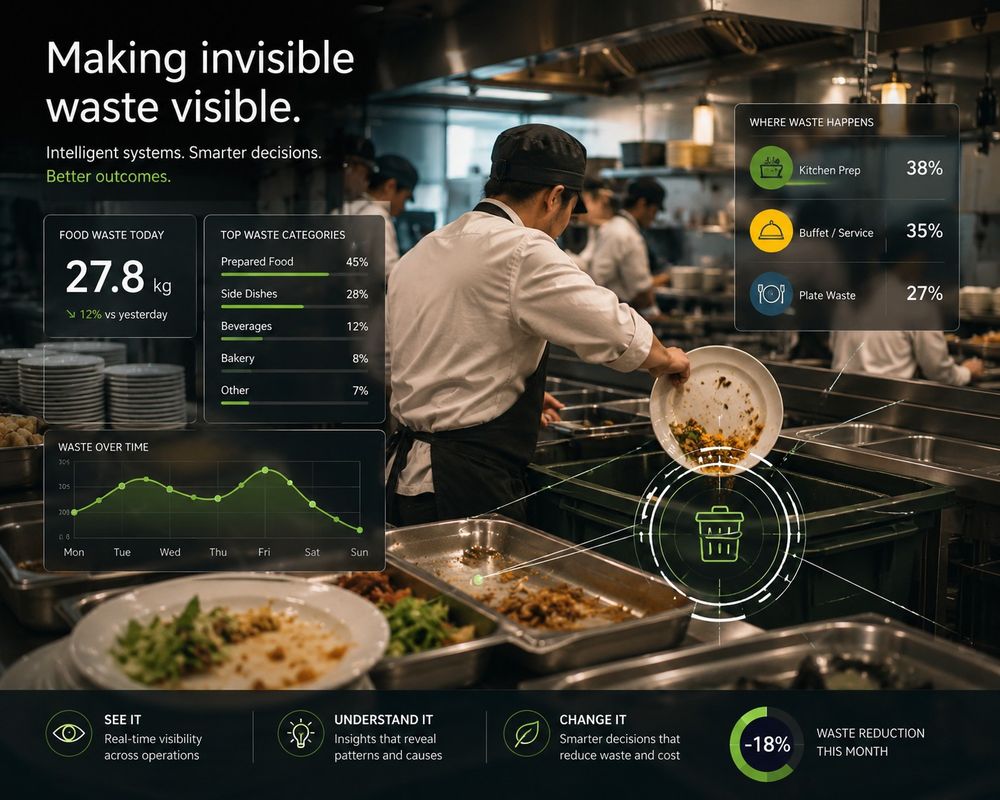
It’s visibility, because once you can SEE the system, you can finally redesign it.
Not optimise the broken one - just rebuild it.
"Making invisible systems, visible."
Some of the most powerful intelligent systems are not flashy.
They quietly solve friction we’ve normalised for years:
• food waste no one measures,
• supply chain blind spots,
• unnecessary packaging,
• inefficient procurement,
• disconnected reporting,
• rising operational costs.
The future of AI and intelligent systems is not only about robots or chatbots.
It’s about visibility.
Because once businesses can truly see:
• where waste happens,
• where inefficiency sits,
• where costs leak,
• and how behaviour impacts systems,
better decisions become possible.
Smarter systems don’t replace people. They help people make better decisions faster.
#INSPIRED #ArtificialIntelligence #IntelligentSystems #Data #SystemsThinking #FutureOfWorkOne of the most fascinating parts of the energy transition is not just the technology itself - it’s the speed and scale at which systems are changing.
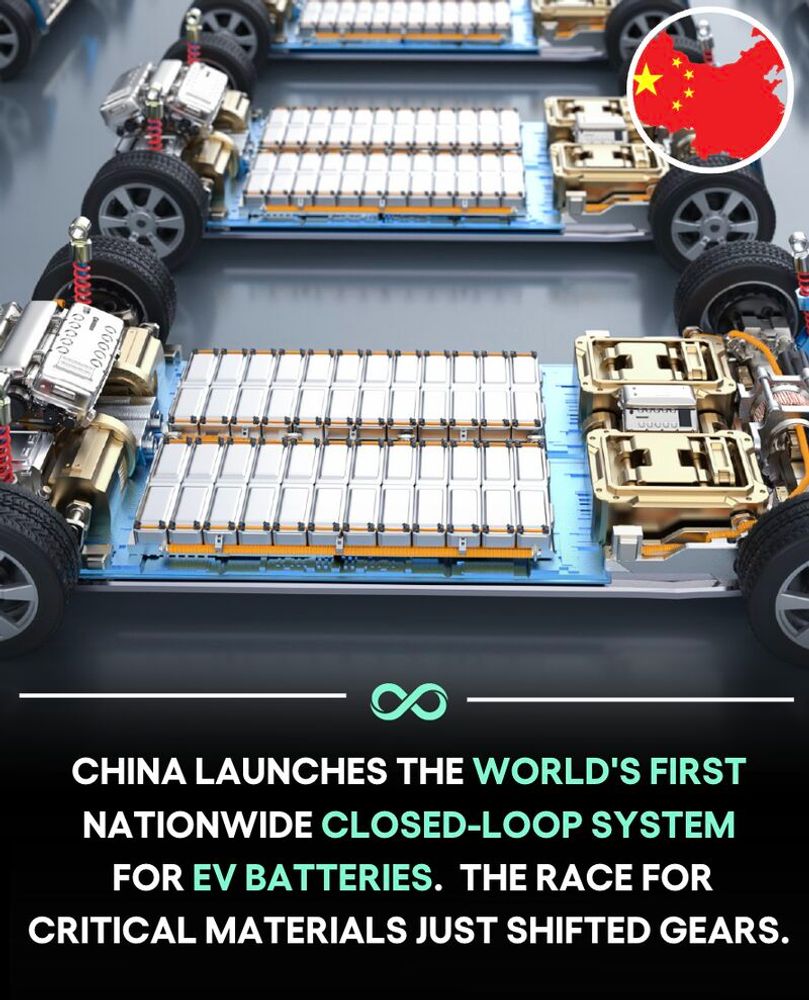
Battery innovation, energy storage, grid resilience, and electrification are no longer “future conversations.” They are actively reshaping industries, cities, supply chains, and economic competitiveness right now.
Whether we agree with every approach or not, the reality is this:
The countries investing heavily in energy infrastructure today are shaping the global economy of tomorrow.
Climate action is no longer only an environmental discussion.
It’s increasingly an industrial, financial, and resilience strategy.
This is the kind of shift worth paying attention to.
#INSPIRED #ClimateTech #EnergyTransition #BatteryStorage #FutureSystems #SustainabilitySometimes sustainability conversations become so focused on technology, systems, and scale that we forget something important:
Nature already knows what it’s doing.
Healthy food systems don’t begin in supermarkets or supply chains.
They begin with biodiversity, balance, pollinators, soil health, water cycles, and ecosystems quietly doing the work they were designed to do.
We’ve spent decades trying to control, optimise, and dominate nature - often at the cost of the very systems that sustain us.
Perhaps part of the future of regenerative thinking is not only innovation…
but learning where to step back.
www.youtube.com/watch?v=MnsC... - This stopped me for a moment today. Beautiful. Please take the time to stop and watch.
#INSPIRED #Biodiversity #RegenerativeThinking #FoodSystems #Nature #SustainabilityWhy are we still designing systems where waste becomes inevitable?
Circularity isn’t about recycling more. It’s about designing systems that create less waste in the first place.
The most interesting sustainability conversations right now are no longer about “end of life” solutions - they’re about redesigning the entire flow:
• packaging,
• procurement,
• logistics,
• consumer behaviour,
• and accountability.
Waste is rarely just a waste problem. It’s usually a systems design problem. A paradigmatic trap.
This visual really made me stop and think.
#INSPIRED #CircularEconomy #SystemsThinking #Recycling #SustainabilityOne of the things that continues to inspire me is meeting people who quietly build practical solutions to very broken systems.
I met Jelle on one of the early Dutch delegation trips to South Africa that I was invited to join. Funny enough, we also discovered we had a mutual friend in Cape Town - proof again that the world is much smaller, and more connected, than we think.
Since then, I’ve loved watching the growth of
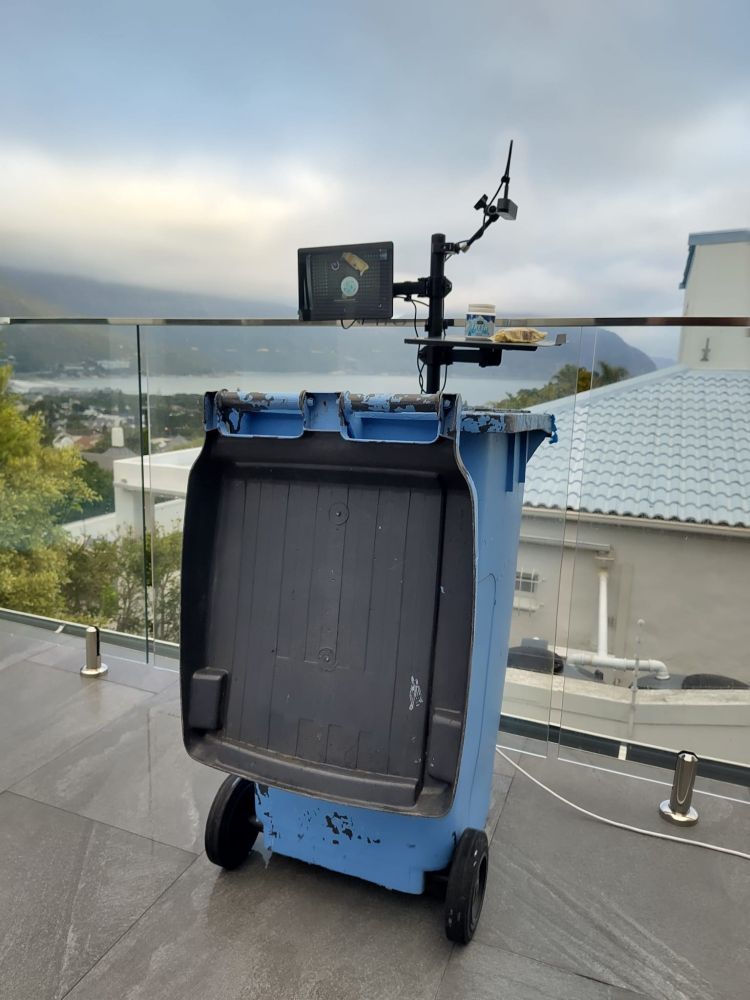
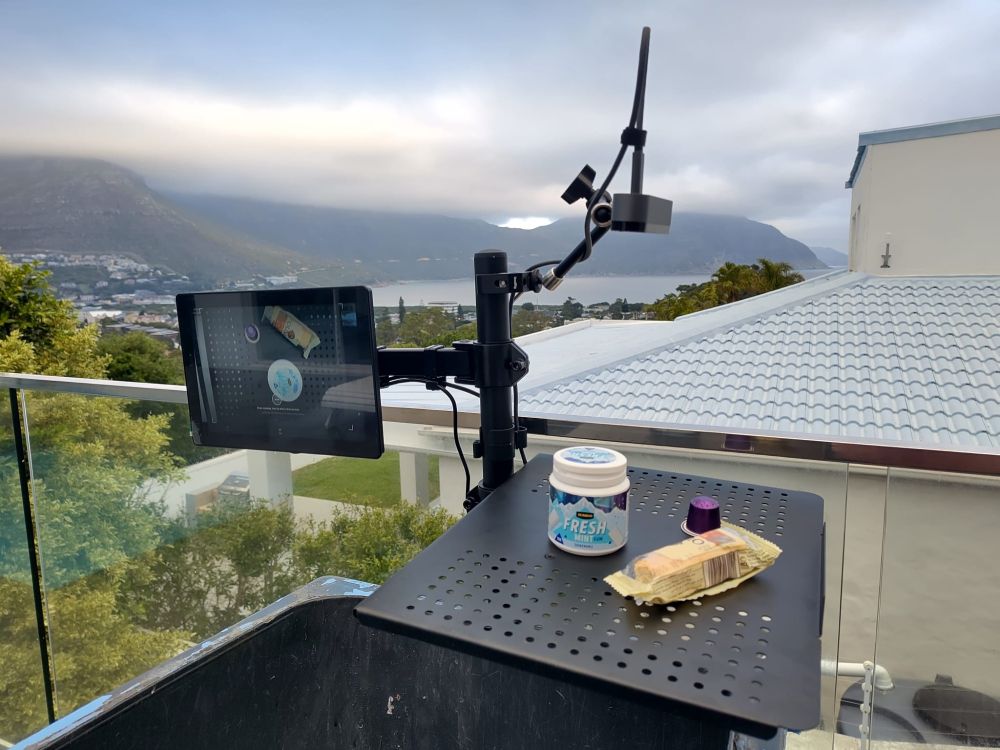
#WASTE-e and the intelligent simplicity behind what they’re building.
Here’s the reality:
Restaurants and hospitality businesses spend enormous amounts of money ordering stock, managing kitchens, forecasting demand and controlling costs…
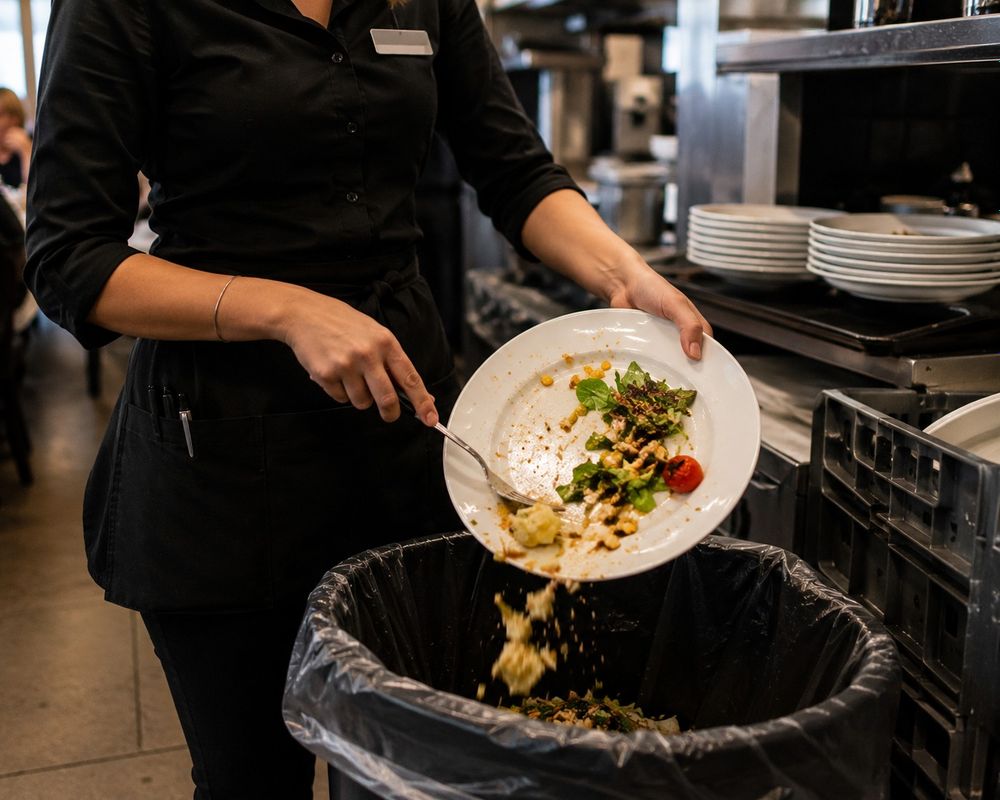
…but often have very little visibility into what is actually being thrown away post-consumer.
Why?
Because chefs plate the food…
and waitering staff scrape the leftovers.
The feedback loop is broken.
And in a world facing rising food costs, pressure on margins, and increasing environmental strain, that disconnect is no longer sustainable.
This is exactly why systems like
#WASTE-e matter.
Measure the waste.
Understand the patterns.
Reduce unnecessary loss.
Improve operational efficiency.
Lower emissions.
Save money.
Simple.
Practical.
Scalable.
Honestly, every commercial kitchen should be exploring systems like this. We are finding it frustrating as the adoption uptake is low. People don't like change!
Welcome to the platform,
#jelleVijfhuize, and well done. I'm excited to see this develop.