Compliance used/still is to be simple in structure but heavy in process. It sat in audits, reports, and manual checks. Humans would review manually what had already happened, often way after the risk had already played out.
AI is changing that rhythm. Compliance is no longer something you “do” at intervals. It's becoming something that runs in real time. Risks are flagged early, patterns are detected faster, and documentation is increasingly automatic.
And we’re heading into even more interesting times. Compliance is becoming continuous, almost invisible. It's going to become a part of our workings embedded seamlessly in our systems. You won't even notice it but it will be flagging red flags in the background.
@edesa
Joan Edesa
34Following
26Followers
I help innovators, investors, and policymakers navigate the climate and energy landscape by translating green trends, renewable energy insights, and sustainable solutions into actionable strategies. Passionate about driving impact, I connect technology, finance, and policy to create opportunities that advance sustainability and innovation especially in emerging markets.
Posts
Pages
Recent posts
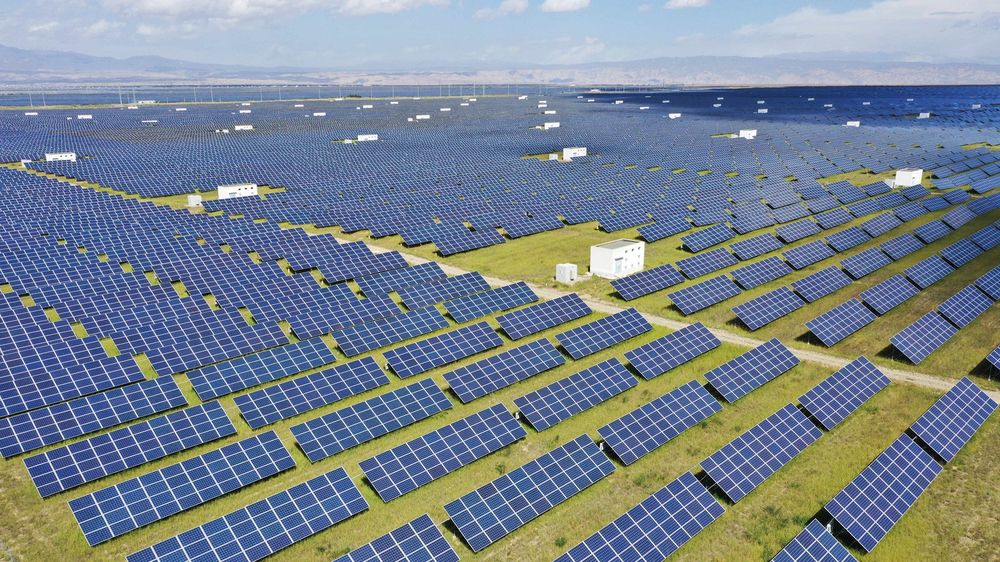
You think solar panels are just for lighting and cooking? In Tibet it's doing more than that.
The initial plan was the normal one of course—but fate took its way. The desert land is being restored.
Sounds surprising right?
The panels are reported to act as wind and sand barriers, creating a protective shield that prevents sand displacement and slows wind speed. They create a cooler microclimate that reduces evaporation, keeping more moisture in the soil.
Here's what's actually happening:
✅ Water runoff from periodic panel cleaning seeps into the soil, nourishing the land beneath
✅ Soil moisture has improved significantly, allowing vegetation to thrive
✅ Grass is growing up to over a meter high sometimes even blocking the panels
✅ Local herders graze sheep beneath the panels, providing natural weeding and earning extra income from "photovoltaic sheep" sold nationwide
✅ Expected 450 km² of grass-planted area yielding ~110,000 tonnes of grass annually
This is a complimentary ecosystem; a win-win for the sheep that prevents grass from overshadowing the panels and the panels provide energy and the pasture at the same time.
Who would have thought? 🌱☀️
www.bgr.com/2183252/how-...
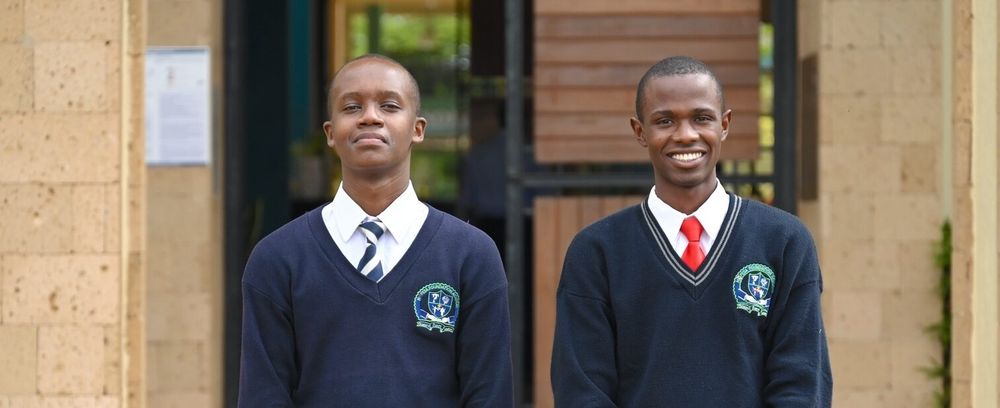
While the world waits for EVs to solve the emissions crisis, two 17-year-olds in Kenya just built a filter that cuts vehicle pollution by 93% using farm waste.
This was done from a lived experience. Seeing people close to them fighting illness caused by air pollution, they decided to act when opportunity presented itself.
Meet HewaSafi the filter (meaning good air):
🔹 Made from maize cobs + coconut shells + spirulina algae (living bioremediation)
🔹 $125 vs. $390 for industrial filters (68% cheaper)
🔹 Built for vehicles
93.3% PM2.5 reduction, 42% CO reduction, 21.4% CO₂ absorbed
The judging panel at the Switzerland based earth foundation said it perfectly: "They're not presenting only an idea, but a tangible technical pathway using materials that are locally accessible."
This isn't inspiration. It's proof that waste from our homes can solve global menace.
news.mongabay.com/2026/05/teen...
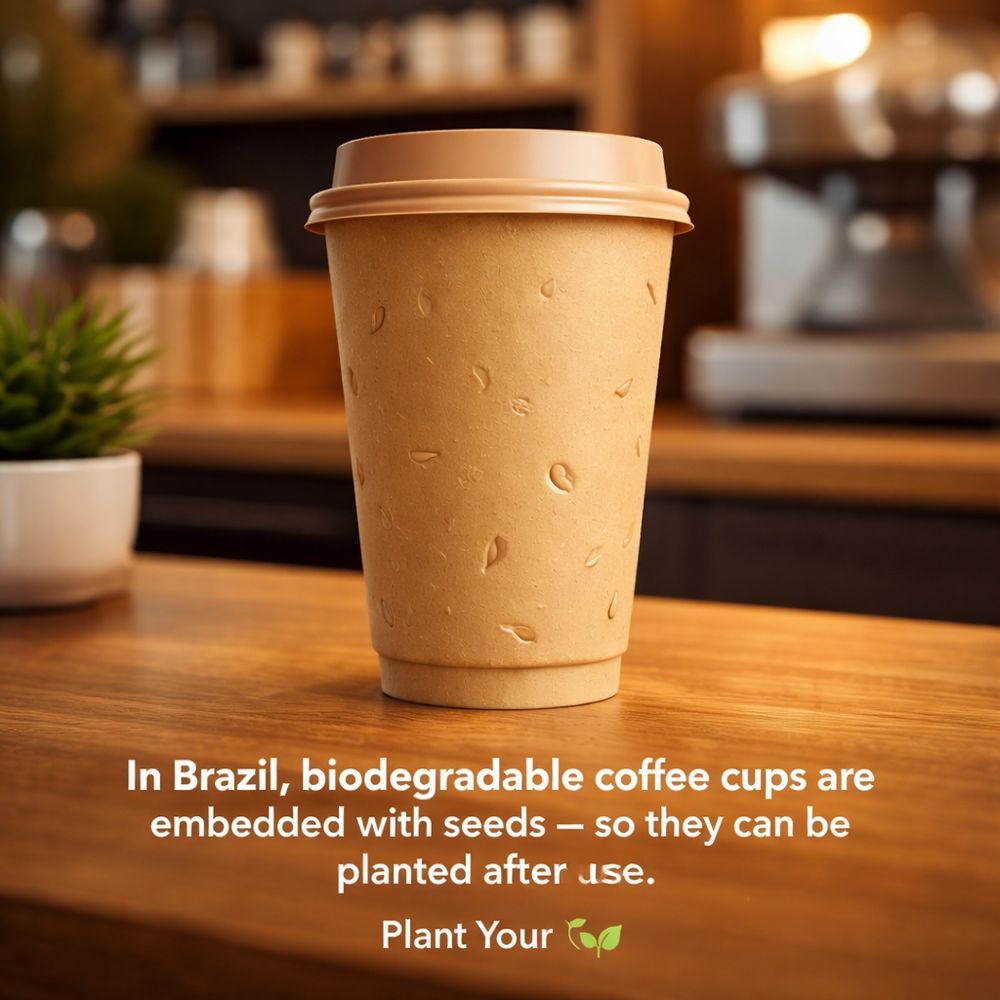
Brazil is rolling out sustainability in a psychological way which ensures that her citizens are participating in it fully aware of what they are doing.
The move is to support reforestation and ecosystem restoration by embedding seeds in biodegradable coffee cups.
The cups are biodegradable then native seeds in them. Once one is done drinking coffee they take the cup home, soak in water for at least five minutes then plant it.- sustainability at its best 😊
The country is creating a story and ensuring that everyone is participating in the story.
How do you see this scaling?
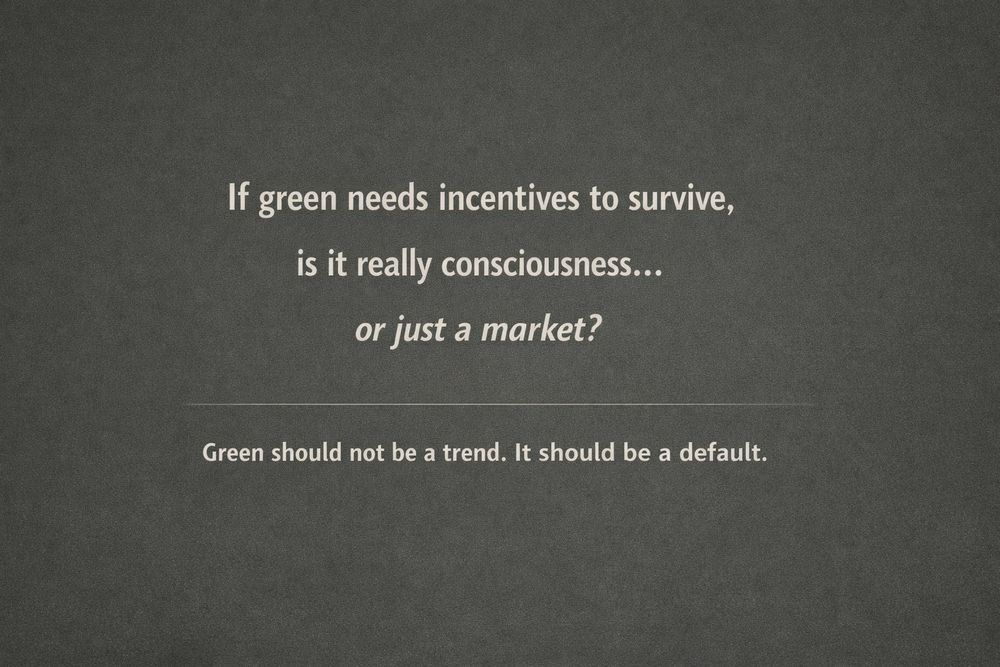
Remove incentives from green startups and watch nearly 60% shut down. Not because they’re bankrupt, but because a majority are there for the money. It's not really a care from within.
Green should not have become a “trend” now—it should have been common sense since the world began. But instead, we find ourselves in endless board rooms and forums, talking about “how we’re going to save humanity,” as if it’s a new problem.
How did we get here? Humans failed. We neglected our basic responsibility to protect the environment, so now we have to fund, pay, and campaign people into doing what should already be instinct.
And as governments and investors pour money into green startups, ask this: Is cash enough to replace an in‑born sense of care for the planet? Does a subsidy automatically create consciousness?
If not, then what’s the lasting solution?
It’s not just more incentives. It’s rewiring how we raise children, design cities, and run economies so that living lightly on the earth feels as natural as breathing, not as a project to be funded.
Green shouldn’t be a trend. It should be our default.
Have you realised how you waste time going back and forth with AI when you actually don't have a strategy? You end up getting generic content that you will have to move to your bin until you put your thoughts together and decide to think.
AI is not your replacement but rather a reflection of your thoughts.
Before AI you would spend hours writing and you would actually feel productive. Researching garnering points from different sources kept our minds sharp but now try the vague prompting with AI and you are left mentally drained.
AI can actually slow you down instead of speeding up the process. Read more
arxiv.org/abs/2507.090...

Zimbabwe is showing us something most people are still missing:
AI is not just a tool. It can be a national strategy.
Last week, the country officially launched its National AI Strategy (2026–2030).
Not theory. A clear plan to integrate AI into the economy.
Agriculture. Healthcare. Finance. Education. Mining. Manufacturing…. literally every sector.
This is AI for economic transformation.
And they’re not playing small.
First, they want to build their own national AI data systems.
Data stays with the state. No outsourcing.
That’s control. That’s power.
Second, they’re funding local AI startups.
More builders. More innovation. Less dependence.
Third, they’re anchoring AI on Ubuntu (I am because we are)
It's human-centered. Focused on ethics. Dignity first.
Fourth, mass AI literacy.
They want at least 60% of the population to be AI-aware by 2030.
Because an educated economy is a strong economy.
Think of it this way- While many are still debating with AI tools…
Zimbabwe is building an AI-ready nation.
A reminder to the rest of us:
We don’t have to copy Silicon Valley.
We can build our own systems. Our own standards. Our own beliefs. Our own future.
If they execute this right…Give the country 5 years.
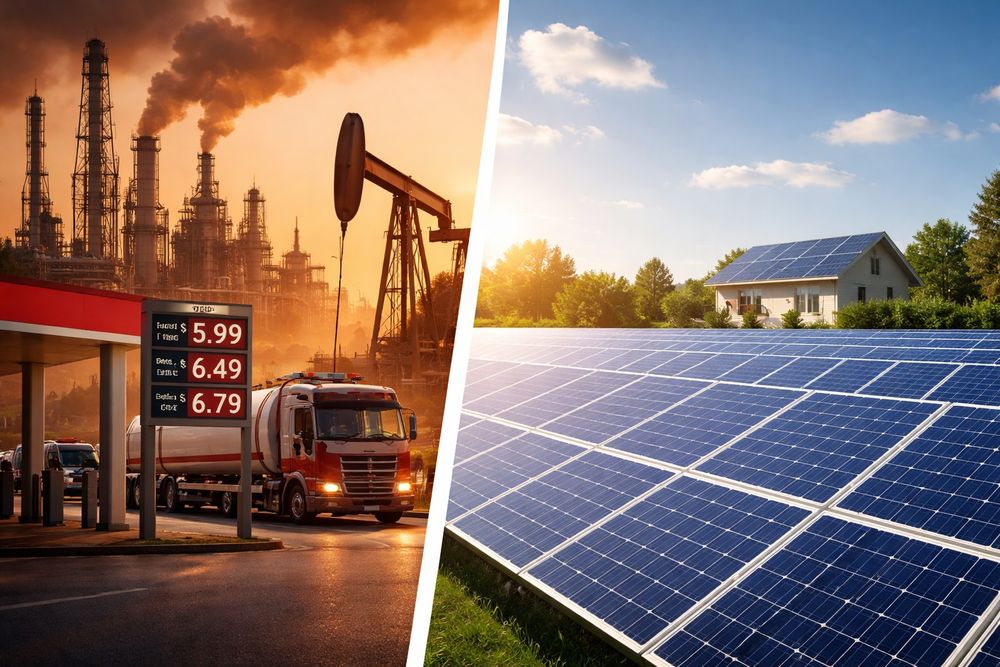
The war in the middle east just reminded us of one thing—energy is geopolitical.
Oil prices don’t wait. A conflict starts and within days, the whole world feels it. Fuel goes up, costs go up, everything follows.
Now compare that to solar. The war has nothing to do with it. No supply chains, no tension, no waiting. It just works.
(And yes… if people walked more or cycled, we’d feel it even less 😂 but that’s a conversation for another day.)
But seriously! This is where we need to rethink our systems.
Why are we still building around energy sources we can’t control? One conflict somewhere and the impact is everywhere.
Maybe it’s time to think differently—solar for lighting, cooking, manufacturing and even transport. Systems that are local, stable, and not tied to global shocks.
Energy isn’t just about power anymore. It’s about control.