
I think extended producer responsibility laws only work when the fines actually hurt. Right now most brands treat non-compliance as a rounding error in the budget, not a reason to redesign packaging. Change my mind about this.
@necessi
Vanessa Struckl
7Following
15Followers
Posts
Pages
Recent posts
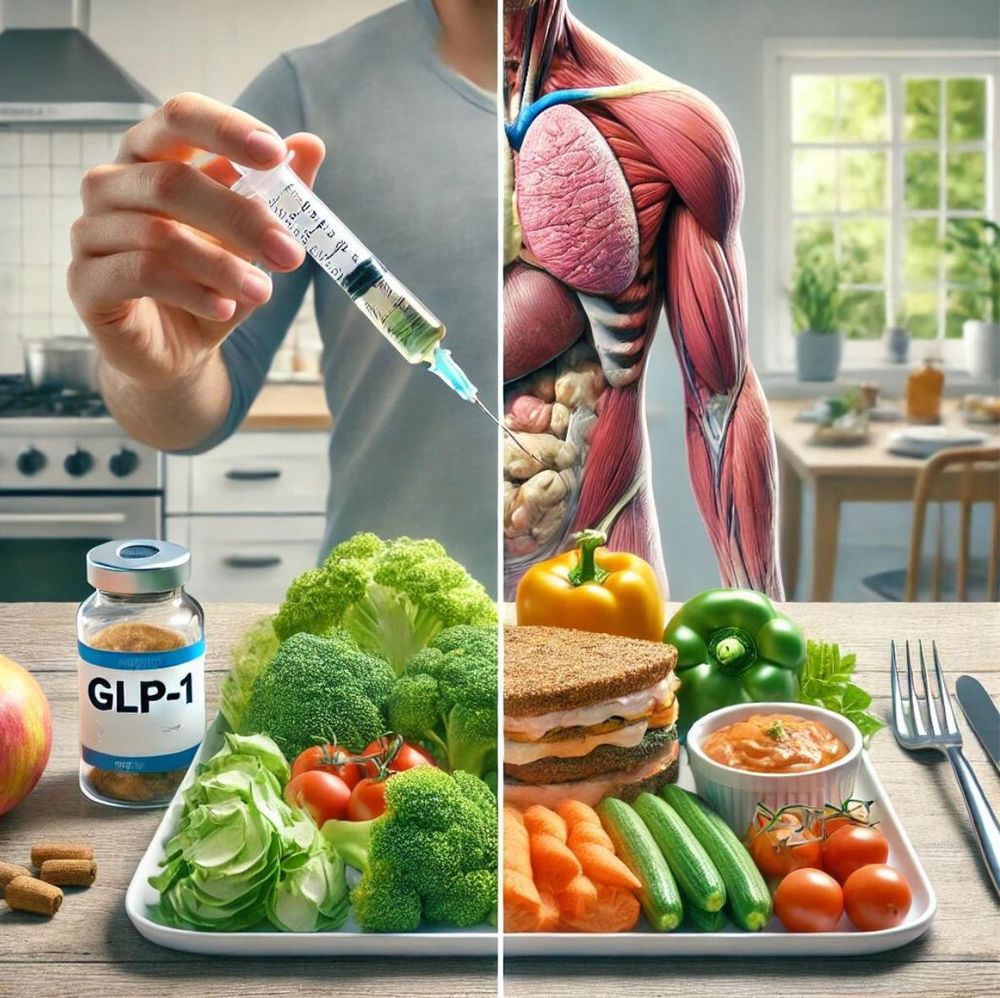
GLP-1 drugs are quietly changing the food industry's product roadmap. As appetites shrink, snack and alcohol purchases are dropping the demand for healthier alternatives and higher-protein options rises. The food industry is forced to reformulate and change up their whole product range. It's a strange kind of disruption that is changing what and how people want to live and eat.
Where do you think this will take us in the future?
The FDA just lowered the age limit for Casgevy, the CRISPR gene therapy for sickle cell disease, extending it to children as young as two, down from the previous limit of twelve. A one-time infusion that used to be reserved for pre-teens and adults can now reach toddlers. In my opinion it's remarkable medicine, but it also raises a question about consent and irreversibility that I don't think we've fully thought through.
What is your opinion on this?
www.fda.gov/news-events/...
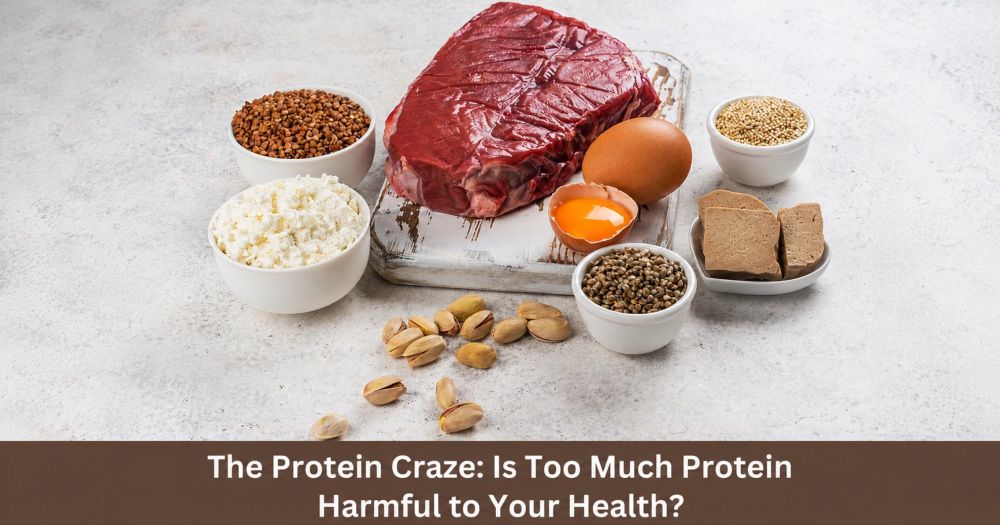
Protein water. Protein chocolate. Protein pasta.
At some point this stopped being nutrition and became marketing.
The obsession with protein is driven by the perception that more is better - but most people are able to take in enough protein without purchasing any of these products.
What the food industry did was simple: put a label on ultra-processed food and called it health. And it worked.
Worth asking who actually benefits here. Because it's rarely the person buying protein pasta for double the price of regular pasta.
medicotrick.com/blog/the-202...
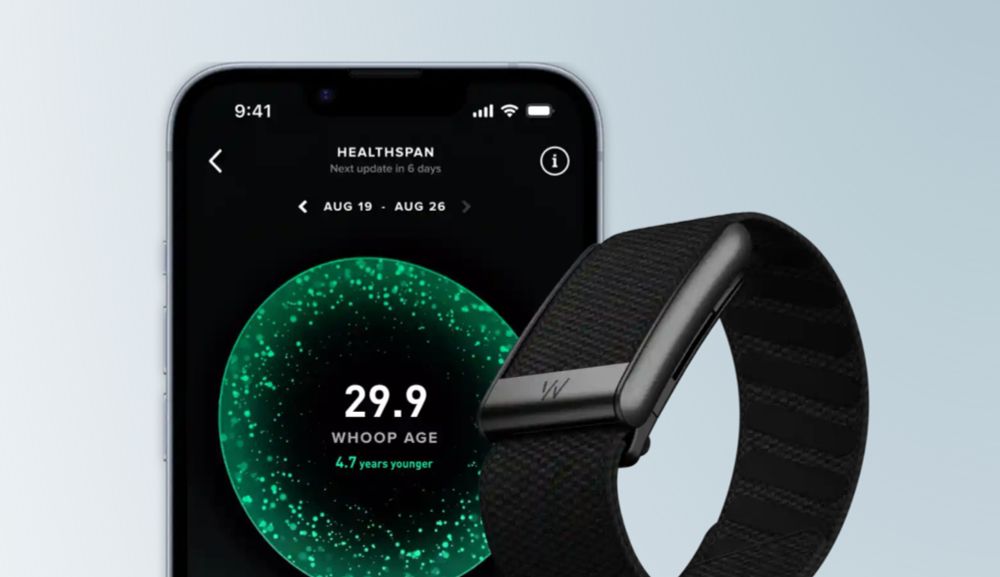
WHOOP raised $575M end of march 2026. Mayo Clinic and Abbott at the table, alongside Ronaldo and LeBron.
That mix tells us everything we need to know.
WHOOP stopped being only a fitness tracker a while ago.
Continuous data, every day, interpreted by AI - that's quietly challenging the annual doctors checkup most people skip anyway.
techcrunch.com/2026/03/31/w...
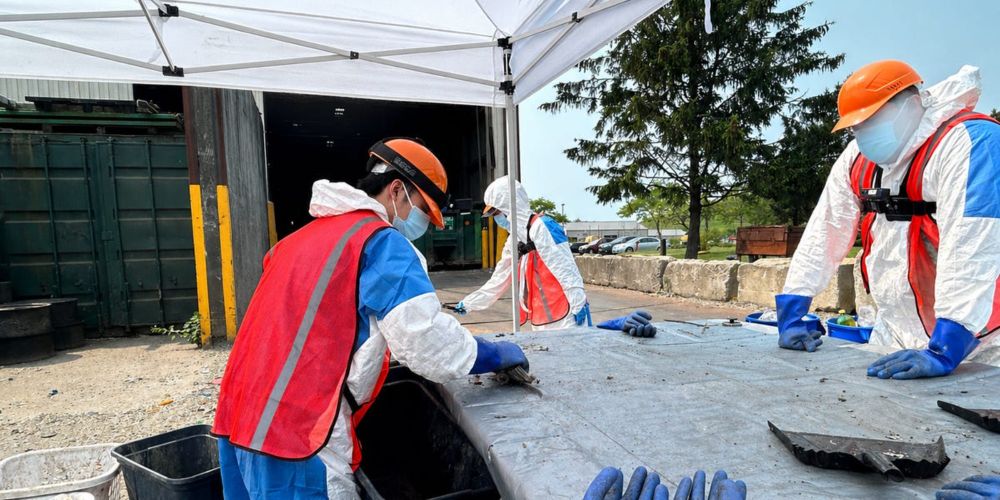
Researchers at Stony Brook University are developing an AI system that uses low-cost cameras to analyze waste streams and identify materials like plastic, paper, food scraps and textiles. The goal is to make recycling cleaner, smarter and more efficient in everyday life.
Sometimes AI doesn't need to reinvent the wheel - sometimes it simply helps us do the basics better.
www.businessinsider.com/ai-recycling...
The rise of modern technologies, especially AI, excites and scares me at the same time.
On the one hand, the opportunities feel endless. You can get more out of your work, your time and even your everyday life.
But at the same time, I’ve noticed how quickly things start to get harder without it. Even writing a simple email sometimes feels like a task I’d rather ask ChatGPT for help with.
It saves time, yes.
But it also feels like our attention span is shrinking and with it, the willingness to do things that actually require effort.
And those are usually the things that matter most for our overall well-being.
Are we becoming too comfortable, or are we actually using AI to become better versions of ourselves?
Lately, I’ve noticed how easy it is to get caught up in optimizing everything - supplements, routines, tracking every habit and every calorie.
I’ve been there too.
But at the same time, the basics are often the first thing to be missed.
Sleep gets shorter. Movement becomes optional. Screen time creeps up.
And no amount of "biohacking" can fix that.
The fundamentals aren’t exciting, but they work:
sleep well, move daily, eat real food, spend less time on your phone.
Maybe it’s not that we don’t know what to do.
Maybe we’re just not consistent enough to keep doing it.